DIY Fennel and Citrus Room Spray: A Bright Mediterranean Mist
There is something quietly transportive about a room spray made with fennel essential oil. One mist and the air shifts. It becomes something greener, warmer, vaguely coastal. Pair that anise-touched sweetness with the brightness of citrus, and you have a scent profile that feels like an open window somewhere along the southern Mediterranean coast.
This fennel room spray recipe is designed for home use: quick to make, easy to customize, and built around a handful of accessible ingredients. Whether you are freshening a living room before guests arrive or establishing a calming evening atmosphere in a bedroom, a DIY essential oil spray like this one gives you complete control over what goes into your air and onto your soft furnishings.
Before you start blending, take a moment to read through the safety section below. Room sprays seem simple, but the details matter, especially when you are working with pure essential oils around children, pets, and delicate textiles.
About This Recipe at a Glance
| Detail | Info |
|---|---|
| Difficulty Level | Beginner |
| Active Prep Time | 10 minutes |
| Total Time (including settling) | 25 minutes |
| Yield | One 4-ounce (120 ml) spray bottle |
| Shelf Life | 4 to 6 weeks |
| Skill Required | None beyond careful measuring |
Why Fennel and Citrus Work So Well Together
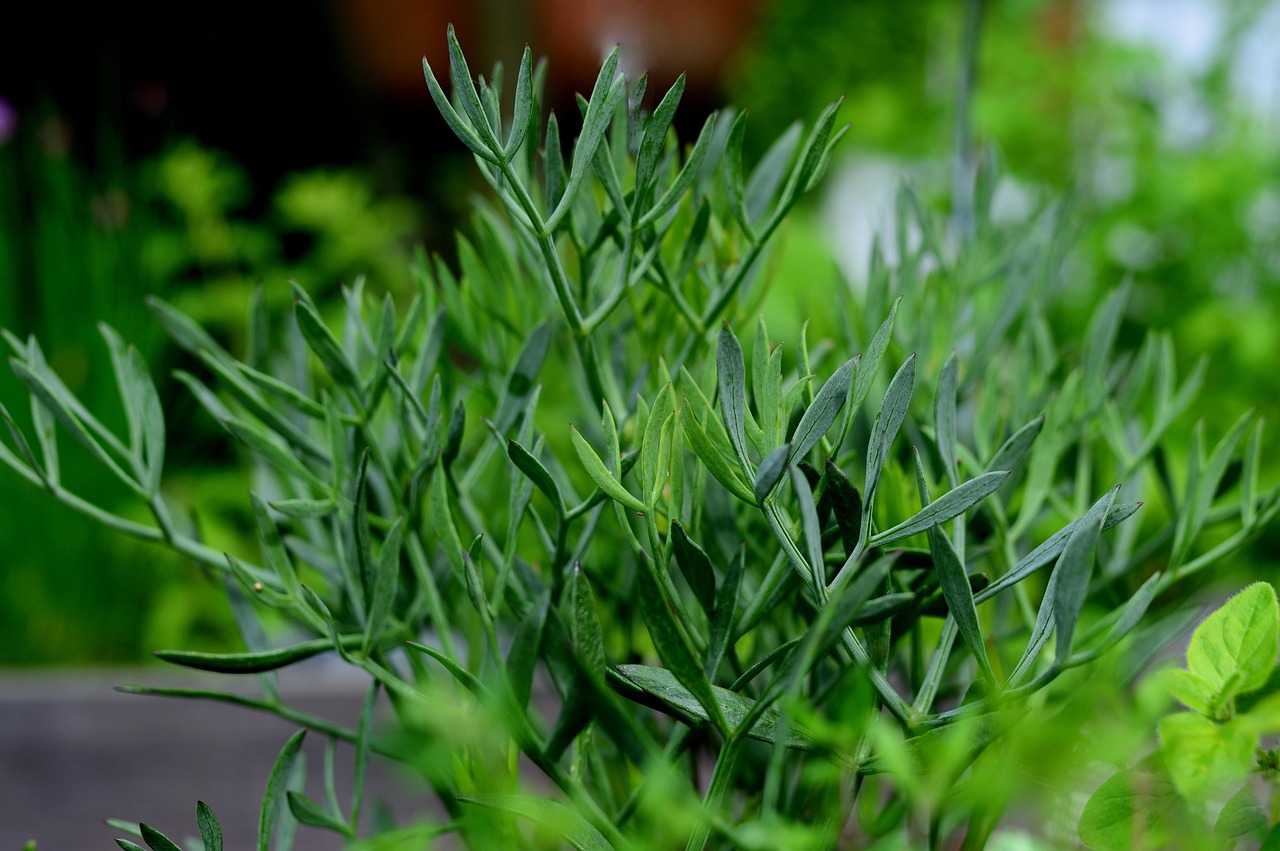
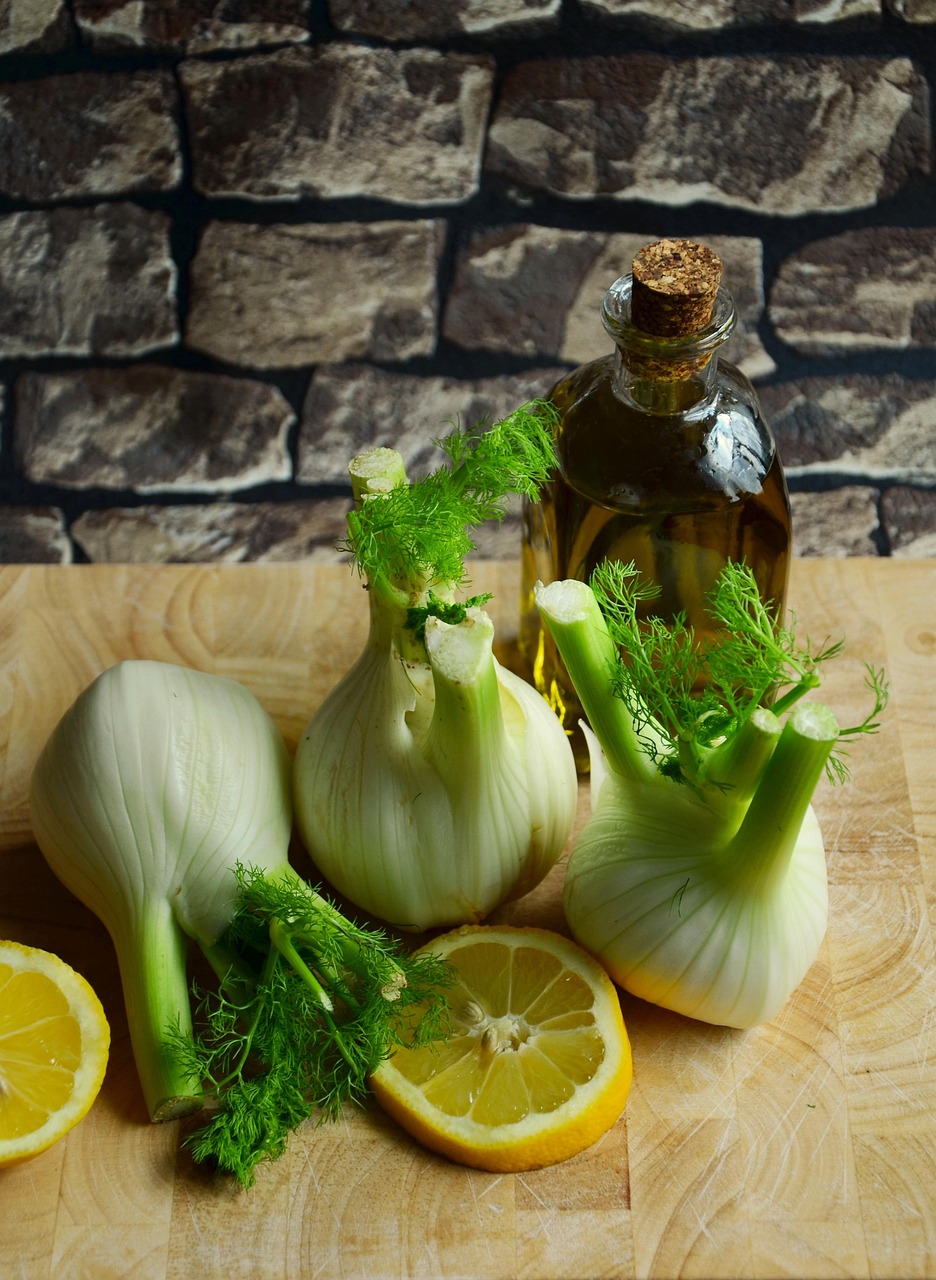
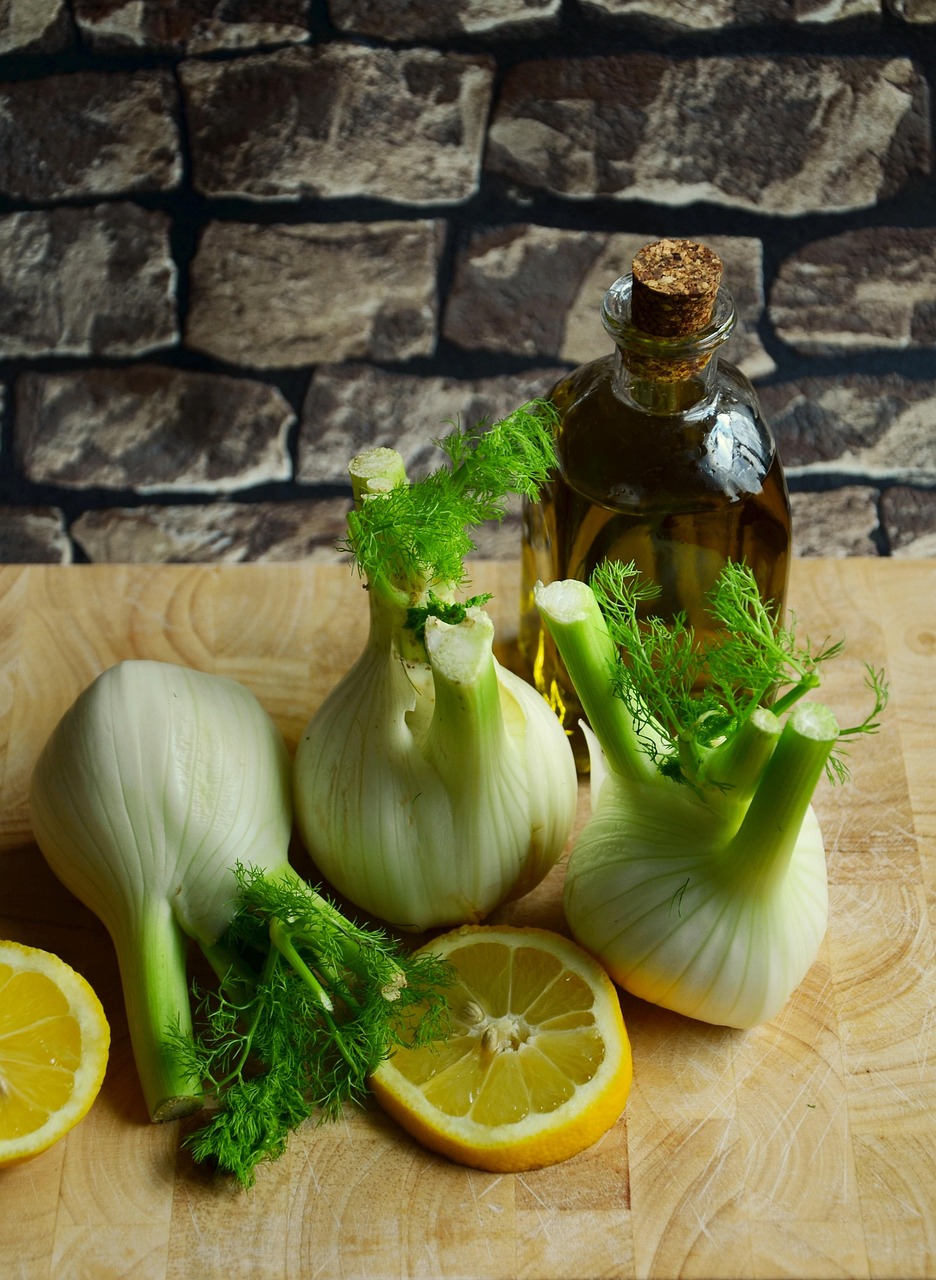
Fennel essential oil (steam distilled from the seeds of Foeniculum vulgare) has a scent profile that resists easy categorization. It is herbal but also slightly sweet. It carries that distinctive anise note, yet it never goes sharp or medicinal the way some herb oils can. There is a warmth at its base that citrus oils love to play against.
In this citrus fennel blend, sweet orange provides juicy brightness while lemon adds a clean, slightly tart lift. The two citrus oils keep the fennel from sitting too heavily in the air. The result is a blend that feels light in a room but lingers just long enough to be satisfying.
If you want to explore more about how fennel essential oil behaves in different blending contexts, the ultimate guide to blending and using fennel essential oil covers its scent families, compatible notes, and usage rates in detail.
Ingredients
These measurements are calibrated for a standard 4-ounce (120 ml) glass spray bottle. Using a glass bottle, preferably amber or cobalt, protects the essential oils from UV degradation and extends the life of your spray.
- Distilled water: 3 ounces (90 ml). Tap water introduces minerals that can cloud the spray and shorten its shelf life. Distilled is worth the extra step.
- High-proof alcohol (190-proof grain alcohol or 91% isopropyl): 1 ounce (30 ml). This acts as the dispersant, helping essential oils blend into the water rather than floating on the surface. It also extends freshness.
- Fennel essential oil (Foeniculum vulgare, sweet): 12 drops. Use sweet fennel specifically for aromatic blending. Bitter fennel has a sharper profile and is generally not recommended for home fragrance use.
- Sweet orange essential oil (Citrus sinensis): 16 drops. Cold-pressed if possible. It gives the widest, most rounded citrus base.
- Lemon essential oil (Citrus limon): 8 drops. Steam-distilled lemon is preferable for sprays used on or near fabrics, as cold-pressed lemon contains furanocoumarins that can cause photosensitivity on skin. More on this in the safety section.
- Optional: a pinch of fine sea salt (less than 1/8 teaspoon). Some makers add this to help the oils emulsify slightly. It has a modest effect, but it costs nothing to try.
Total essential oil load: 36 drops in 4 ounces. This puts the blend at approximately 1.5 percent dilution, which is appropriate for a room spray used on textiles or in occupied spaces.
Step-by-Step Instructions
- Prepare your workspace. Wipe down your surface with a clean cloth. Gather all bottles, a small funnel, and a glass stirring rod or a clean chopstick. Label your spray bottle before you fill it.
- Measure and pour the alcohol. Add 1 ounce (30 ml) of high-proof grain alcohol or isopropyl alcohol into your spray bottle using the funnel. This goes in first because the essential oils will disperse into the alcohol before the water is added.
- Add the essential oils. Drop in the fennel oil first (12 drops), then the sweet orange (16 drops), then the lemon (8 drops). Work slowly and count carefully. Place the cap loosely on the bottle and swirl gently for about 20 seconds. The oils will blend into the alcohol readily.
- Add the distilled water. Pour the 3 ounces (90 ml) of distilled water through the funnel into the bottle. Add it slowly to avoid unnecessary agitation.
- Optional salt step. If you are including sea salt, stir it into the water before adding it to the bottle, rather than adding it dry.
- Cap and shake. Secure the spray top firmly. Shake the bottle for a full 30 seconds. The mixture will look slightly cloudy. That is normal.
- Rest before use. Set the bottle aside for 15 minutes. This allows the scent to round out. Give it another brief shake before your first use.
- Label completely. Write the name, date of creation, and ingredient list on your label. This matters for safety, especially in households with children or guests who may not know what the bottle contains.
How to Use Your Fennel Room Spray
Shake the bottle before every use. The essential oils and water will separate as they sit, so this step is not optional.
Hold the bottle 12 to 18 inches from the surface or space you are misting. For general room use, spray upward into the air and allow the mist to fall naturally. For linens or upholstery, do a patch test first (see below) and spray from a distance to avoid saturating fabric.
This citrus fennel blend works well in living areas, entryways, and home offices. It is a natural fit for a morning routine or for refreshing a room before settling in for the evening. The citrus top notes evaporate first, leaving the rounder, sweeter fennel base behind.
Safety Warnings and Contraindications
Room sprays are generally low-risk when made with appropriate dilutions, but there are important precautions to take seriously.
Photosensitivity and Fabrics
Cold-pressed lemon and other cold-pressed citrus oils contain furanocoumarins, which can cause photosensitive reactions on skin. This recipe calls for steam-distilled lemon to reduce that risk. Even so, avoid spraying this blend directly on skin and then going into sunlight.
Patch Testing for Fabrics
Always test on a hidden area of upholstery, curtains, or bedding before general use. Spray once on an inconspicuous spot and let it dry fully (at least 30 minutes). Check for discoloration or texture changes before using it broadly.
Fennel Oil Precautions
Sweet fennel essential oil contains trans-anethole. Some sources note that high concentrations may not be appropriate for use around young children (under age 5), during pregnancy, or while nursing. For these situations, consult a qualified healthcare provider before using fennel-containing products in shared spaces.
Pets
Cats and birds have different metabolic pathways from humans and can be more sensitive to essential oil diffusion in enclosed spaces. If you have cats or birds in your home, use this spray in a well-ventilated room and ensure animals can leave the space freely. Consult a veterinarian if you have concerns.
Alcohol Choice
If isopropyl alcohol is your only option, use 91% or higher. Lower concentrations contain too much water to effectively disperse the oils. Grain alcohol (such as Everclear 190-proof) is the preferred choice for sprays used around fabrics or on pillow covers.
General Use Reminder
This is an aromatic room spray intended for fragrance and atmosphere. It is not a substitute for professional guidance on any health-related matter. If you have questions about using essential oils during pregnancy, around young children, or alongside any personal health situation, please speak with a qualified healthcare provider.
Storage Instructions and Shelf Life
Store your fennel room spray in a cool, dark location away from direct sunlight and heat sources. A cupboard or drawer works well. Do not store it in a bathroom medicine cabinet that gets warm and steamy regularly.
Expected shelf life is 4 to 6 weeks. The citrus oils, particularly the lemon, are the least stable components and will begin to oxidize first. You will notice the scent shifting or becoming flatter when this happens. If the spray develops an off or sour smell, discontinue use and make a fresh batch.
You can extend shelf life slightly by refrigerating the bottle between uses, though this is not necessary if you are going through a batch in a few weeks as expected.
Do not store in plastic bottles for extended periods. Essential oils, particularly citrus oils, can degrade certain plastics over time. Glass is always the better choice for any DIY essential oil spray.
Variations and Substitutions
Once you are comfortable with the base recipe, this blend opens up in several interesting directions.
Swap the Citrus Base
Grapefruit essential oil (steam-distilled) brings a slightly more tart, sophisticated quality to the blend compared to sweet orange. Blood orange adds a richer, almost jammy sweetness. Mandarin softens everything and shifts the profile toward a quieter, rounder warmth. Use the same total drop count (24 drops of citrus) and adjust the ratio to your preference.
Add an Earthy Anchor
A small amount of cedarwood (4 to 5 drops, reducing the fennel slightly) grounds the blend and extends how long the scent lingers in a room. It shifts the character from fresh and coastal to something more like a warm Mediterranean garden at dusk.
Introduce a Green Note
Two to three drops of basil essential oil woven into the blend add a sharp, fresh green quality that amplifies the herbal facets of the fennel. Use sparingly. Basil oil is potent and can easily overpower a delicate citrus base.
Make It Lighter for Linen Use
For a dedicated linen mist, reduce the total essential oil count to 20 drops (keeping the same proportional ratios) and increase the distilled water by half an ounce. This brings the dilution down to approximately 0.8 percent, gentler on delicate fabrics like silk or fine cotton.
Alcohol-Free Version
If you prefer not to use alcohol, substitute with witch hazel (at least 86 proof). Understand that witch hazel is less effective at dispersing oils than grain alcohol, so the spray will require more vigorous shaking before each use and the scent may not project quite as far. The shelf life will also be shorter, closer to 2 to 3 weeks.
Going Further with Fennel
This room spray is a welcoming entry point into working with fennel essential oil. Once you have experienced how it moves in a blend, you may find yourself wanting to take it further.
Fennel performs beautifully in leave-on body applications when used at appropriate dilution rates. The DIY fennel body oil guide walks through a silky after-bath blend designed for exactly that kind of use. The skin-contact dilution rules are stricter than for room sprays, and that guide covers them thoroughly.
Fennel has also found a devoted audience among soap makers. If crafting with it appeals to you, the cold process soap guide featuring fennel essential oil covers acceleration, discoloration, and how to preserve that distinctive scent through saponification.
For now, give this mist a try. Open a window, shake the bottle, and let a little Mediterranean brightness into the room.