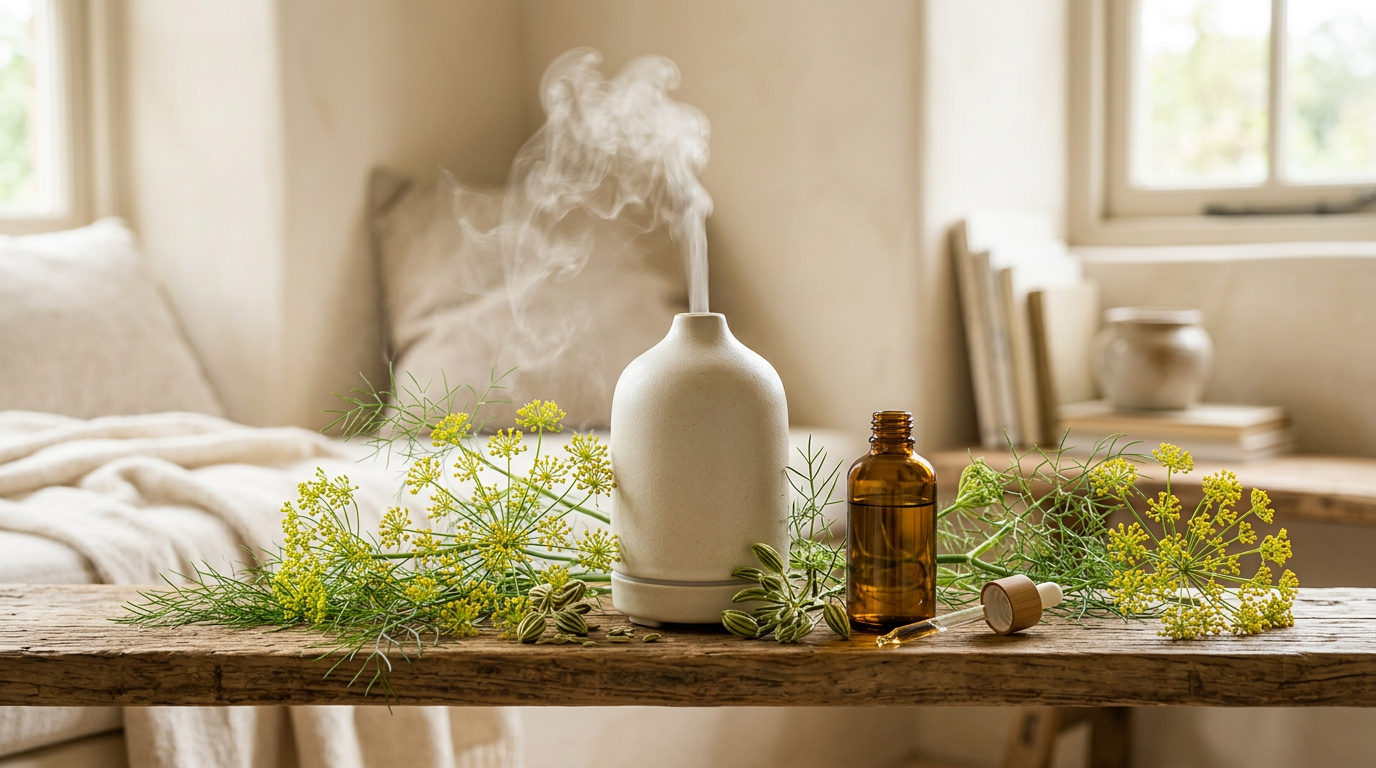
Fennel Essential Oil vs Caraway Seed Oil: Two Spice Seed Aromas
Walk through the Apiaceae family of essential oils and you'll notice a pattern: seeds that smell like the kitchen spice rack. Fennel and caraway sit right at the center of that family, both distilled from small ridged seeds, both carrying a warm, anise-adjacent sweetness that reads as more culinary than floral. They get compared often, and for good reason. They share a chemical cousin (anethole shows up in both, though in different amounts) and they land in a lot of the same DIY projects: soap, candles, and spice-forward diffuser blends.
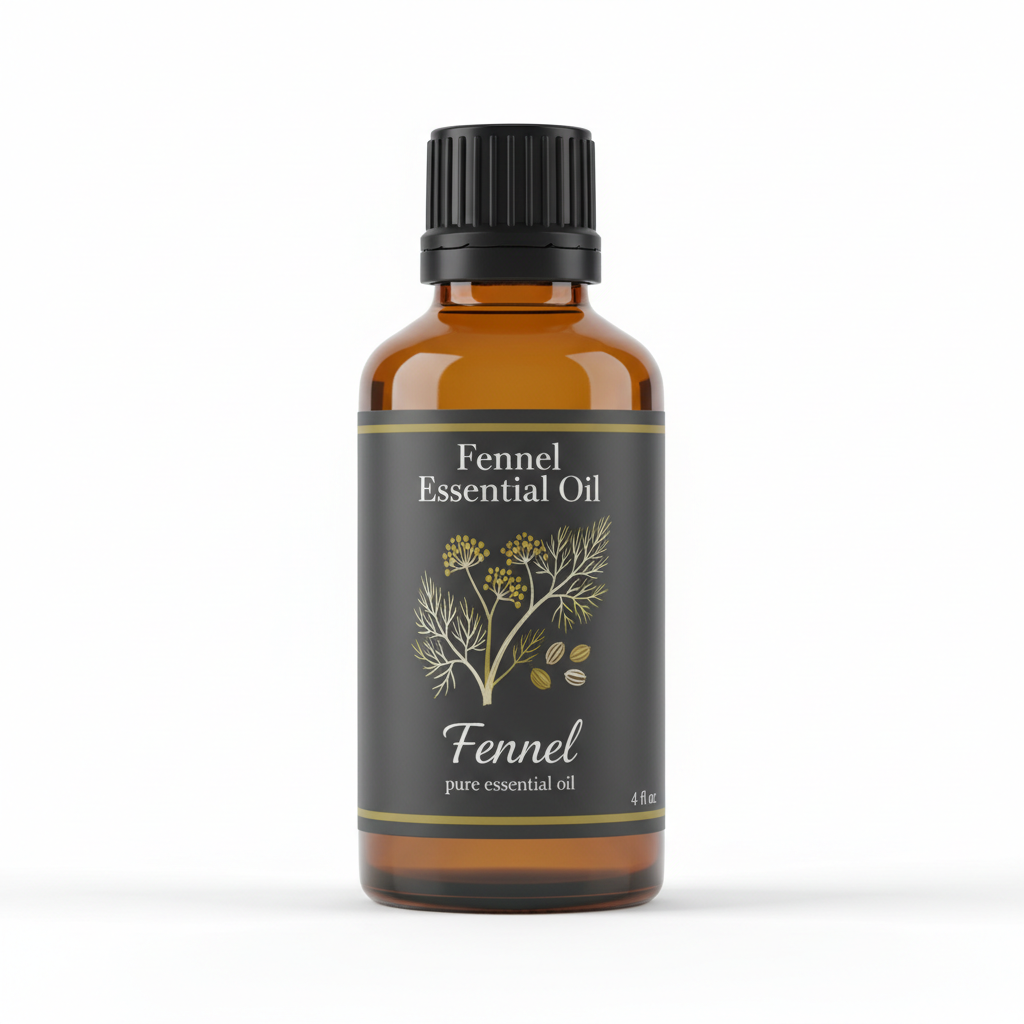
Fennel Essential Oil
Our own Fennel Essential Oil, in sizes from 0.5 oz to bulk.
From $11.99
Shop Now →But they are not interchangeable. Fennel leans sweeter and more rounded. Caraway carries a sharper, rye-bread edge that some noses find almost bitter underneath the sweetness. If you're trying to decide which one belongs in your next batch of cold-process soap or your autumn diffuser rotation, the differences matter more than the family resemblance. This guide lines them up honestly, including where each one falls short, so you can make a choice based on your actual project instead of a guess.
Meet the Two Oils
Fennel Essential Oil
Fennel oil is steam distilled from the crushed seeds of Foeniculum vulgare, the same plant that gives us the bulb vegetable and the seeds used in Italian sausage and Indian paan. The Mediterranean basin, particularly regions of France, Italy, and Egypt, produces most of the fennel oil sold for cosmetic and aromatic use. The scent is sweet, warm, and licorice-like with a soft herbal undertone, closer to anise than to dill or caraway. It's a familiar note to most people because it echoes black licorice candy and fennel tea, which makes it an approachable entry point for anyone new to spice seed aromas.
Caraway Seed Oil
Caraway oil comes from Carum carvi, a plant grown widely across Northern and Eastern Europe, with the Netherlands and Egypt among the larger producers of the essential oil itself. The seeds are the same ones that show up in rye bread, sauerkraut, and some European cheeses. Distilled into oil, caraway carries a sharper, more peppery profile than fennel: still sweet at the edges, but with a green, slightly bitter bite that reads as more savory. Where fennel smells like dessert, caraway smells like the bakery case next door.
Fennel Oil vs Caraway Oil: Comparison Table
| Attribute | Fennel Essential Oil | Caraway Seed Essential Oil |
|---|---|---|
| Botanical source | Foeniculum vulgare (seed) | Carum carvi (seed) |
| Scent profile | Sweet, warm, licorice-forward, rounded | Sharp, peppery, bread-like, slightly bitter |
| Scent strength | Moderate to strong, mellows over time | Strong and persistent, holds its edge |
| Main growing regions | France, Italy, Egypt | Netherlands, Poland, Egypt |
| Typical price point | Moderate | Moderate to slightly higher |
| Best blending partners | Sweet orange, lavender, black pepper, cedarwood | Orange, clove, patchouli, black pepper |
| Common DIY uses | Soap, candles, diffuser blends, culinary-style room scent | Soap, candles, autumn and holiday blends |
| Scent longevity in cold-process soap | Fades moderately, benefits from a fixative | Holds relatively well through saponification |
| Beginner-friendly | Yes, familiar and easy to like | Somewhat, the bitterness can surprise first-time users |
Scent Profile Compared
If you handed someone both oils blind, most would guess fennel is the "nicer" smell on first sniff. It's sweeter, softer, and closer to something people already associate with tea or candy. Caraway takes longer to appreciate. The top note can read as almost medicinal-sharp before it settles into that rye-bread warmth, and some people never fully warm to the bitterness underneath.
That said, caraway has a trick fennel doesn't: it holds its scent through the curing process in cold-process soap better than a lot of spice seed oils, fennel included. Soapmakers who've been frustrated by a promising spice scent fading to nothing after a four-week cure often find caraway sticks around longer. Fennel, by contrast, mellows noticeably, which can be a feature or a drawback depending on what you're after. A softer, less insistent fennel note works well in everyday bar soap. If you want a spice scent that announces itself, caraway is the more reliable choice.
In candle work, both oils behave reasonably well, though hot-throw testing (smelling the scent while the candle is burning, not just from the unlit wax) is worth doing with either one before committing to a full batch. Spice seed essential oils in general can behave unpredictably in wax compared to synthetic fragrance oils built specifically for candle use.
Fennel Essential Oil: Pros and Cons
Pros
- Familiar, approachable scent that most people respond well to on first smell
- Blends easily with both sweet and woody notes, making it flexible across projects
- Mellows into a soft background note over time, useful for everyday products rather than statement scents
- Widely available from reputable Mediterranean growing regions, so sourcing quality oil isn't difficult
Cons
- Scent fades faster than caraway in cold-process soap, sometimes needing a fixative or a higher usage rate
- Anethole-rich oils like fennel can be sensitizing on skin at higher concentrations for some people, so dilution and patch testing matter
- Less distinctive than caraway if you're specifically after a sharp, savory spice note
Caraway Seed Oil: Pros and Cons
Pros
- Strong scent longevity, especially useful in cold-process soap and slow-burning candles
- Distinctive, savory-sweet profile that stands out in a blend rather than blending into the background
- Pairs well with clove, orange, and patchouli for autumn and holiday-themed products
Cons
- Sharper, more bitter opening note that isn't universally liked, especially by people new to spice seed oils
- Slightly less available than fennel, which can mean a narrower field of suppliers to compare
- Its strength means small dosing errors show up more obviously in a finished product
Best For: Matching the Oil to the Use Case
- Best for beginner soapmakers: Fennel oil. The scent is easier to like straight out of the bottle, and a milder result in cured soap is more forgiving of dosing mistakes.
- Best for scent longevity in soap: Caraway seed oil. If a soap batch has disappointed you before by losing its scent after curing, caraway is the more dependable option.
- Best for everyday diffuser blends: Fennel oil, paired with citrus or lavender for a lighter, more wearable atmosphere.
- Best for autumn and holiday-themed candles: Caraway seed oil, blended with clove and orange for a bakery-adjacent warmth.
- Best for a sweeter, licorice-forward room scent: Fennel oil on its own or lightly blended.
- Best for a savory, rye-bread character: Caraway seed oil, used with a light hand since it's the more assertive of the two.
Sourcing and Quality Notes
Quality varies more between suppliers than between the two plants themselves. Look for a GC/MS test report (gas chromatography-mass spectrometry, the standard purity test for essential oils) from any supplier before buying either oil. Fennel oil sold without batch testing is one of the more commonly adulterated spice seed oils, since a cheaper anise-scented substitute can pass a casual sniff test. Caraway oil, being less widely traded, has fewer counterfeit issues simply because there's less commercial incentive to fake it, but that also means fewer suppliers to choose from if your first source doesn't work out.
Country of origin matters for both. Egyptian and French fennel tend to have a rounder, sweeter profile, while some Eastern European fennel can lean sharper. Dutch and Polish caraway are generally considered a reliable baseline for the classic rye-bread character. If a bottle of either oil smells notably different from what's described here, that's worth flagging with the supplier rather than assuming it's just natural variation.
Safety and Dilution
Both oils are potent and should be diluted before any skin contact. A common starting point for leave-on skin use is 1% dilution (about 6 drops of essential oil per ounce of carrier oil), while rinse-off products like soap can tolerate a higher usage rate, typically in the 2 to 3% range depending on the recipe. Always do a patch test on a small area of skin before using a new blend more broadly, and stop use if any irritation appears.
Fennel oil in particular contains a meaningful percentage of anethole, the same compound found in anise and star anise oils, and some people find anethole-rich oils more likely to cause skin sensitivity at higher concentrations. If you are pregnant, nursing, or managing any ongoing health condition, or if you are considering use around children, speak with a qualified healthcare provider before incorporating either oil into a routine. Neither oil should be taken internally without professional guidance, and neither should be used as a substitute for medical care.
Verdict: Fennel Oil vs Caraway Oil
Neither oil beats the other across the board, and that's really the honest answer here. Fennel oil is the friendlier, more flexible choice for most people starting out with spice seed essential oils compared side by side: it smells familiar, blends easily, and works across a wider range of projects from soap to diffuser blends. Caraway seed oil is the specialist's pick. It costs a little more attention to source well, it's a harder sell on first sniff, but it rewards patience with a scent that actually survives the soap-curing process and holds its own in a crowded blend.
If you only have room in your supply cabinet for one spice seed oil right now, fennel is the safer, more versatile bet. If you already have a fennel-forward project in the rotation and want something to sit alongside it for contrast, caraway earns its place. Buying a small bottle of each and running your own side-by-side sniff test, ideally after diluting both to the same percentage, is the most reliable way to settle the question for your own nose and your own projects.
As with any essential oil, source from a supplier who provides batch-specific testing, store both oils away from heat and direct light, and consult a qualified healthcare provider before using either one if you have any health concerns.