
Why Fennel Essential Oil Is Pale Yellow: Color, Clarity, and Quality
Open a bottle of genuine sweet fennel essential oil and you'll notice something immediately: it's barely colored. Most batches present as a very pale straw yellow, sometimes so light it reads as nearly colorless in thin layers. That subtle hue isn't a flaw or a sign of dilution. It's actually a meaningful window into the oil's chemical makeup, how it was distilled, and whether it has been stored well.
This deep dive unpacks the science behind fennel essential oil color, what gives fennel oil its characteristic pale yellow tone, and how color and clarity together function as practical quality indicators for anyone choosing or storing this oil.
The Chemistry Behind the Color
Fennel essential oil is produced by steam distillation of the crushed seeds (and sometimes aerial parts) of Foeniculum vulgare Mill., a flowering plant native to the Mediterranean basin. The resulting oil is a complex mixture of volatile organic compounds, and the proportions of those compounds directly influence its visual appearance.
The dominant compound in high-quality sweet fennel oil is trans-anethole, which typically makes up 60 to 80 percent of the total composition depending on the botanical variety, growing region, and harvest timing. Trans-anethole is a colorless crystalline solid at room temperature. When it is dissolved within the broader liquid matrix of the oil, it contributes very little visible color. This is a primary reason why well-made fennel essential oil tends toward pale rather than deep hues.
Beyond trans-anethole, the oil contains a supporting cast of compounds that matter both chemically and visually:
- Fenchone: A bicyclic ketone that can range from 1 to 20 percent in concentration depending on variety. Bitter fennel (Foeniculum vulgare var. vulgare) contains significantly more fenchone than sweet fennel (Foeniculum vulgare var. dulce). Fenchone is itself colorless but contributes to a sharper, more camphoraceous scent profile.
- Limonene: A common monoterpene found in many citrus and herb oils. Research suggests it is present in fennel oil at roughly 2 to 5 percent. Like trans-anethole, limonene is colorless in isolation.
- Alpha-pinene and camphene: Minor monoterpene constituents present in small percentages. Both are colorless.
- Estragole (methyl chavicol): A phenylpropanoid ether related structurally to trans-anethole. It appears in varying concentrations and is also essentially colorless.
So if the major compounds are all colorless, where does that pale yellow come from? The answer lies in trace compounds, minor oxidation products, and the natural presence of small amounts of flavonoid-related material and carotenoid-adjacent pigments that survive distillation in trace quantities. These are not impurities in any negative sense. They are a fingerprint of the plant itself.
Steam Distillation and Its Effect on Color
The distillation method matters considerably. Steam distillation at lower temperatures for longer durations tends to yield a lighter-colored oil. Higher distillation temperatures or extended processing can cause mild pyrolysis of heavier plant compounds, producing faintly darker byproducts. Reputable distillers working with fennel pay close attention to this because the resulting oil should fall within a predictable, light color range.
A batch of fennel essential oil that looks noticeably yellow-orange, brownish, or cloudy may have been over-processed, blended with other materials, or allowed to oxidize significantly before bottling. Conversely, an oil that has been heavily filtered or rectified (a secondary distillation step sometimes used to strip out heavier compounds) may appear completely water-white but will have lost some of its natural complexity.
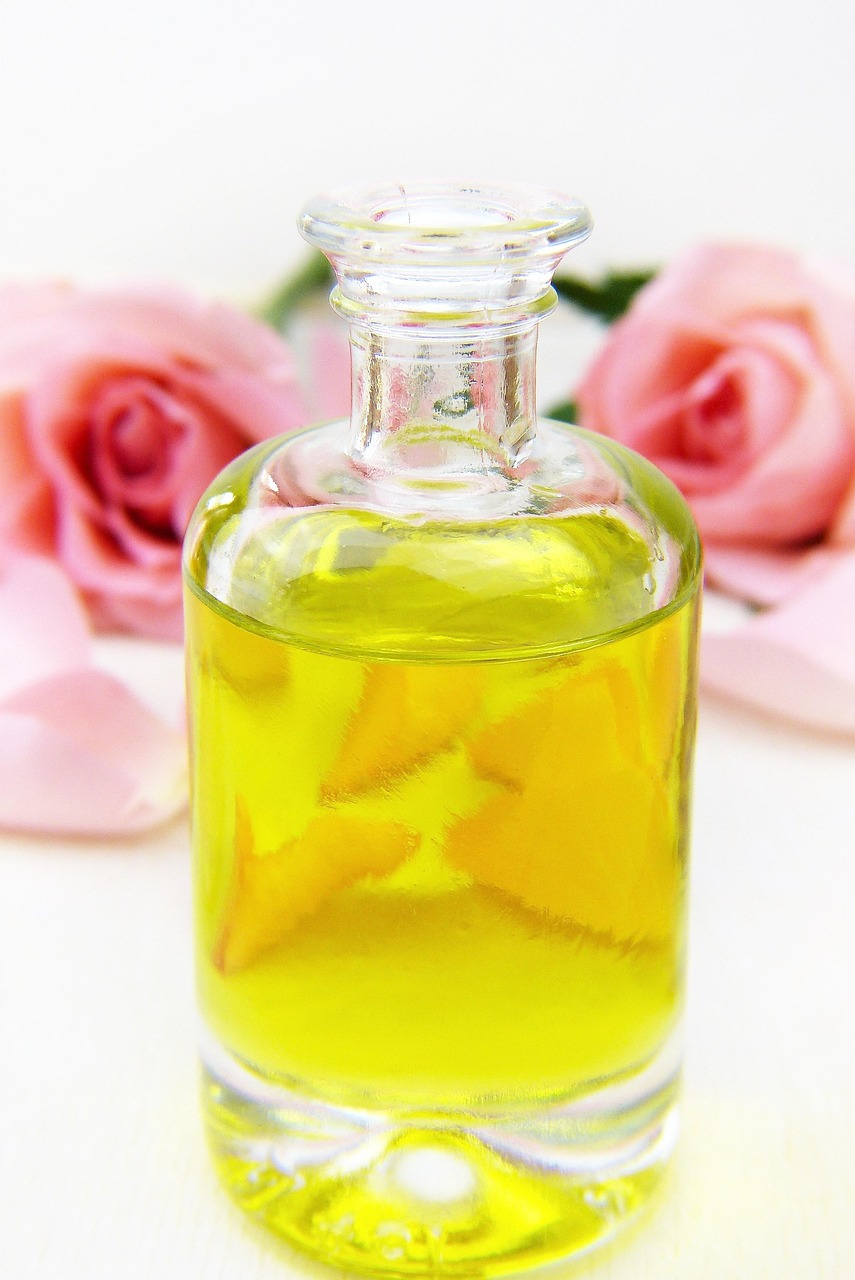
The ideal color for sweet fennel essential oil sits in the pale straw-to-almost-colorless range. This signals a clean, first-distillation product that has not been over-processed or significantly degraded.
Clarity as a Quality Signal
Color and clarity are related but distinct quality markers. A good fennel oil should be clear, meaning free of visible particulate matter, haziness, or separation layers. At room temperature, the oil should flow freely and appear uniform throughout the bottle.
One nuance worth knowing: trans-anethole has a melting point of around 20 to 22 degrees Celsius (68 to 72 degrees Fahrenheit). In cooler environments, a high-anethole fennel oil can partially solidify or develop white crystalline deposits. This is not a quality defect. It is actually reassuring evidence of a high anethole content. Gently warming the sealed bottle in warm water for a few minutes will return the oil to full clarity.
Persistent cloudiness at normal room temperature, on the other hand, can indicate water contamination during bottling, emulsification with a carrier oil, or microbial activity in improperly sealed stock. These are worth taking seriously when evaluating a new supplier.
Oxidation and Color Shift Over Time
Fennel essential oil has a moderate shelf life of approximately two to three years when stored correctly, though some assessments suggest sweet fennel can retain quality for closer to three years under ideal conditions. As the oil ages and oxidizes, its color typically shifts from pale yellow toward a deeper, more amber yellow. The scent profile also changes, often becoming less bright and more flat or musty.
Oxidation is primarily driven by exposure to oxygen, heat, and light. The monoterpene fraction (limonene, alpha-pinene) oxidizes fastest and can produce compounds that may increase skin sensitization potential in older oils. This is one practical reason why monitoring color change is useful: a notable darkening is a cue to evaluate the oil's scent and consider replacement.
For guidance on maximizing shelf life through proper storage practices, see our dedicated article on how to store fennel essential oil, shelf life, and freshness.
What Research Tells Us About Key Compounds

Research into the chemical constituents of fennel essential oil has grown considerably over the past two decades. Several published analyses of Foeniculum vulgare volatile composition (including work appearing in journals such as Industrial Crops and Products and the Journal of Agricultural and Food Chemistry) confirm that trans-anethole dominance is the consistent marker of sweet fennel varieties grown in Mediterranean regions.
Some research suggests that geographic origin influences not just the anethole-to-fenchone ratio but also minor compound distribution, which in turn affects both scent character and color depth. Oils from Italian and French cultivation tend to show slightly higher anethole percentages and correspondingly lighter colors than oils from some Eastern European sources, though this is a general pattern rather than an absolute rule.
Research also suggests that estragole content is a point of ongoing scientific attention. Some studies have observed that high estragole concentrations may warrant caution in certain contexts, which is one reason many quality suppliers now offer GC/MS reports showing the exact estragole percentage. The International Fragrance Association (IFRA) and the European Food Safety Authority (EFSA) have both published guidance on estragole, and buyers interested in formulation work are encouraged to review those documents alongside supplier certificates.
Reading a GC/MS Report for Color Correlation
A gas chromatography/mass spectrometry (GC/MS) report is the single most reliable quality document for any essential oil purchase. For fennel oil specifically, here is what to look for in relation to color expectations:
| Compound | Typical Range (Sweet Fennel) | Color Contribution |
|---|---|---|
| Trans-anethole | 60 to 80% | Colorless; high levels support pale oil |
| Fenchone | 1 to 5% (sweet variety) | Colorless |
| Limonene | 2 to 5% | Colorless; oxidizes to add slight amber over time |
| Estragole | 3 to 10% | Colorless |
| Alpha-pinene | 0.5 to 3% | Colorless; oxidizes relatively quickly |
An oil showing an anethole content below 60 percent is worth questioning. It may be a bitter fennel variety (which has legitimate uses but a different profile), a blended product, or one that has degraded. Cross-referencing the GC/MS data with the observed color and scent gives a more complete picture than any single data point alone.
Sourcing Considerations for Color-Consistent Quality
Because fennel essential oil color serves as a proxy for composition and freshness, buying from suppliers who provide batch-specific documentation is worthwhile. Look for:
- Batch-specific GC/MS reports (not generic species-level documents)
- Clear identification of the botanical variety: Foeniculum vulgare var. dulce for sweet fennel
- Country of origin and, ideally, cultivation method (conventional vs. organic certified)
- Distillation date or bottling date, which allows you to estimate freshness
- Packaging in amber or dark violet glass with a proper orifice reducer to limit oxygen exposure
Pale yellow, clear oil from a named Mediterranean origin with a current GC/MS report is as close to a confidence checklist as you can get without running your own analysis. For a broader overview of what to look for when purchasing, our complete guide to fennel essential oil covers sourcing, botanical identity, and what distinguishes sweet from bitter varieties in more detail.
Safety Profile and Contraindications
A science-focused look at fennel oil color and composition would not be complete without addressing the safety profile, because composition and safety are directly linked.
Sweet fennel essential oil is generally considered safe for cosmetic and aromatic use when properly diluted. The widely cited recommended dilution for topical use is 1 percent in a carrier oil for body application, which corresponds to roughly 6 drops per ounce (30 ml) of carrier. For facial formulations, many formulators work at 0.5 percent or below.
Key contraindications and caution areas include:
- Pregnancy and nursing: Fennel oil is typically listed as contraindicated during pregnancy due to its estragole and anethole content. Always consult a qualified healthcare provider.
- Young children: Essential oils high in anethole are generally not recommended for use on or around infants and young children.
- Skin sensitivity: Older or oxidized oils carry a higher sensitization risk. This is another practical reason to monitor color change and replace oil that has shifted to a noticeably deeper amber.
- Estragole content: Given the ongoing research attention on estragole (mentioned above), those formulating leave-on cosmetic products may wish to verify the estragole percentage in their batch and cross-reference with current IFRA guidelines.
- Patch testing: Perform a patch test before applying any new diluted essential oil blend to larger skin areas. Apply a small amount of the diluted blend to the inner forearm, cover, and observe for 24 hours.
None of the above constitutes medical advice, and essential oils are not substitutes for professional medical guidance. If you have specific health concerns, speak with a qualified healthcare provider before using fennel or any essential oil.
Putting It All Together
The pale yellow color of fennel essential oil is not incidental. It reflects the dominance of colorless anethole-class compounds that define the sweet fennel variety, the quality of the distillation process, the freshness of the oil, and the absence of significant oxidative degradation. Clarity reinforces this picture: a clear, freely flowing oil at room temperature (accounting for normal crystallization in cold conditions) signals a well-produced, uncontaminated product.
Color alone cannot replace a GC/MS report, but it is a fast, accessible first checkpoint. A noticeably dark or hazy bottle is worth investigating before purchase or use. A pale, clear bottle from a supplier who provides full documentation is a good starting point for confidence in what you are working with.
If you are looking for practical ways to put a quality fennel oil to use once you have found a reliable source, our article on 18 everyday ideas for using fennel essential oil at home covers aromatic, cosmetic, and household applications with dilution guidance included.