Fennel Diffuser Blends: 10 Sweet Herbaceous Recipes
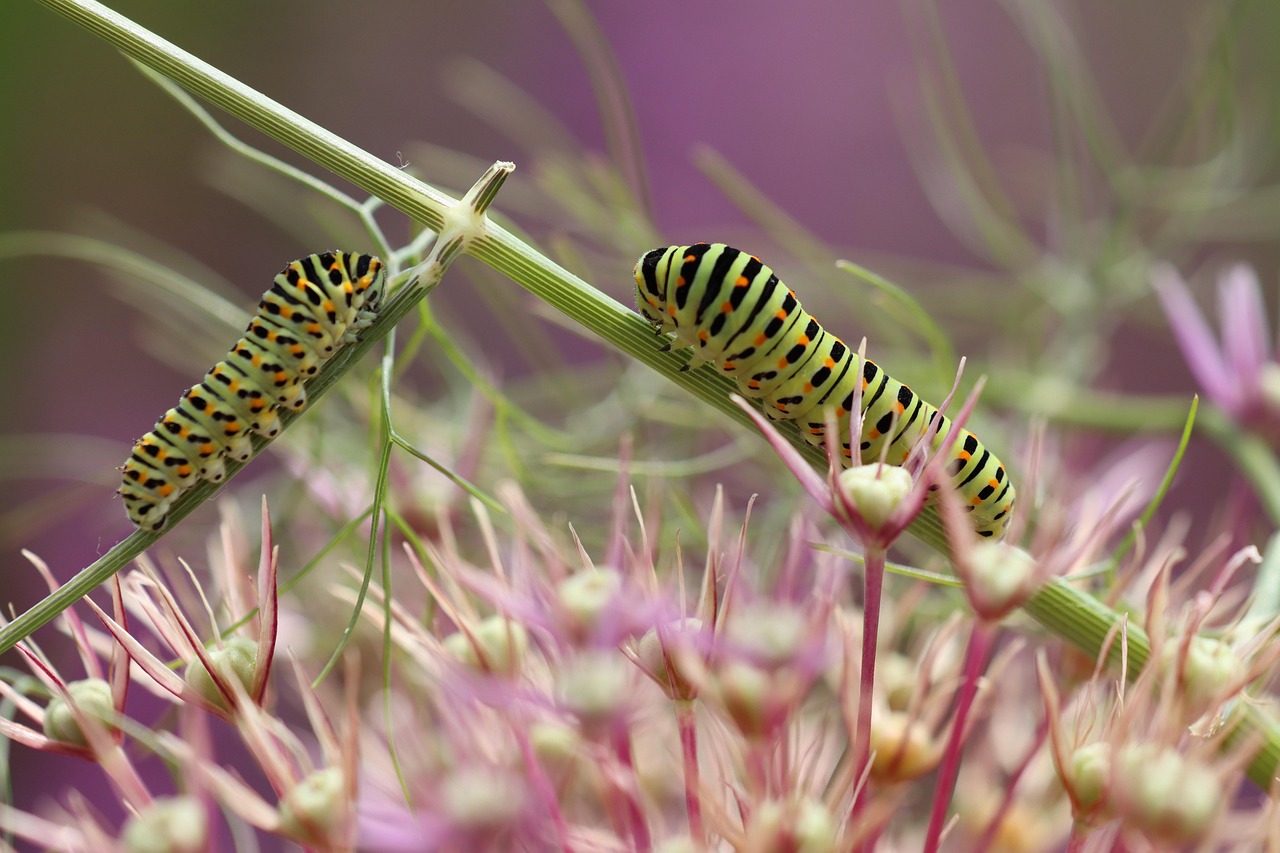
Fennel essential oil has a personality that is surprisingly easy to love. It opens bright and anise-sweet, then softens into something almost powdery and green. On its own, it fills a room with the scent of a sun-warmed Mediterranean garden. Paired thoughtfully with other oils, it becomes something else entirely: grounding, vibrant, or quietly cozy, depending on who it is blended with.
This guide builds ten fennel diffuser blends around one very specific partner: Boswellia serrata, the Indian frankincense. If you have worked with multiple frankincense varieties, you know that serrata is not a stand-in for carterii or sacra. It has its own distinct character, and that character happens to suit fennel beautifully. Below, you will find why that pairing works, a full set of recipes with measurements in both drops and milliliters, blending steps, safety guidance, storage notes, and a handful of variations to keep your diffuser interesting all season.
For a broader look at how fennel plays with other oil families, the ultimate guide to blending and using fennel essential oil is a good companion read alongside this one.
Why Boswellia Serrata? The Case for Indian Frankincense
Boswellia serrata grows across India, particularly in the dry forests of Madhya Pradesh, Rajasthan, and Jharkhand. Its resin has been harvested for centuries, and the essential oil distilled from that resin carries a scent that is noticeably different from the East African and Omani frankincenses that dominate the Western market.
Where Boswellia carterii tends toward a bright, almost citrusy top note, and sacra leans deeply resinous and sacred, serrata sits in the middle ground. Its aroma profile is woody and warm, with a mild earthiness underneath and a softness on the dry-down that some describe as slightly creamy. It is less sharp than carterii and less intensely smoky than neglecta. That balance is exactly what makes it such a good partner for fennel oil in a diffuser.
Fennel's sweetness can read as candy-like if it is not grounded by something with depth. Serrata provides that grounding without overpowering the herbal brightness. The two oils do not fight for attention. Instead, serrata lifts the base of the blend while fennel carries the top, and the result feels cohesive and considered. You can explore our Boswellia serrata essential oil if you are sourcing a quality bottle for these recipes.
Before You Blend: Equipment and Safety Notes
These recipes are written for standard ultrasonic diffusers with a 100 ml water reservoir. If your diffuser holds more or less water, scale the drop counts proportionally. One milliliter of essential oil contains roughly 20 drops, so the ml measurements here are approximate guides for those who prefer to measure by volume.
- Diffuser use only. These blends are not formulated for skin application. Essential oils used undiluted on skin can cause irritation. If you want to use any of these combinations as a personal fragrance or massage oil, dilute to 1 to 2 percent in a carrier oil (1 to 2 drops of essential oil per teaspoon of carrier) and perform a patch test on the inner forearm 24 hours before use.
- Ventilate the space. Run your diffuser in a ventilated room, not a sealed space. Thirty to sixty minutes of diffusion followed by a break is a reasonable rhythm for most adults.
- Children and pets. Some essential oils are not suitable around young children or certain animals. Check with a qualified aromatherapist or veterinarian before diffusing around them.
- Pregnancy and nursing. Fennel oil is generally considered best avoided during pregnancy. Consult a healthcare provider before use.
- Quality matters. Use genuine, unadulterated essential oils. GC/MS-tested, single-origin oils will give you a truer, more nuanced scent experience and reduce the risk of unwanted additives.
The 10 Fennel and Serrata Diffuser Blends
Blend 1: The Signature (Mediterranean Morning)
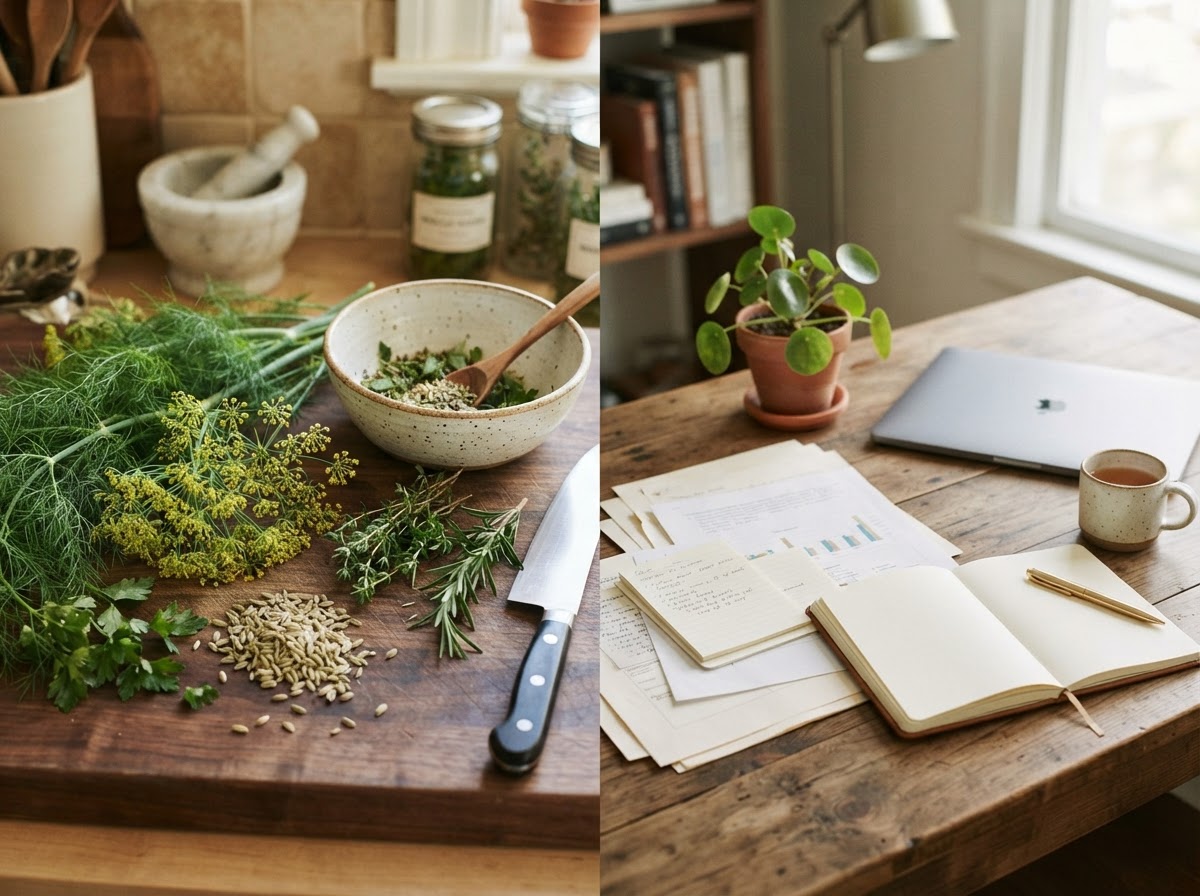
This is the starting point. Clean, sweet, and gently resinous. A good introduction to how fennel and serrata work together.
- Fennel: 4 drops (0.20 ml)
- Boswellia serrata: 3 drops (0.15 ml)
- Sweet orange: 2 drops (0.10 ml)
Instructions: Fill your diffuser reservoir with clean water to the marked line. Add the fennel drops first, then the serrata, then the orange. Replace the diffuser lid and run for 30 to 45 minutes.
Blend 2: Green Coast
Fennel and cypress share a green, coastal quality. Serrata ties the two together.
- Fennel: 3 drops (0.15 ml)
- Boswellia serrata: 3 drops (0.15 ml)
- Cypress: 3 drops (0.15 ml)
Blend 3: Amber Field
Heavier and warmer. The vetiver root note pulls serrata's woodiness further down, while fennel keeps the whole blend from becoming too dense.
- Fennel: 4 drops (0.20 ml)
- Boswellia serrata: 4 drops (0.20 ml)
- Vetiver: 1 drop (0.05 ml)
Blend 4: Silver Lavender
One of the most approachable blends here. Lavender's floral softness meets fennel's sweetness, with serrata providing quiet structure beneath.
- Fennel: 3 drops (0.15 ml)
- Boswellia serrata: 2 drops (0.10 ml)
- Lavender: 4 drops (0.20 ml)
Blend 5: Citrus Courtyard
Bergamot and fennel share a faint floral-citrus overlap. Serrata keeps the whole thing from floating away.
- Fennel: 3 drops (0.15 ml)
- Boswellia serrata: 3 drops (0.15 ml)
- Bergamot (bergapten-free): 3 drops (0.15 ml)
Blend 6: Evening Stone
For a slower, quieter atmosphere. Sandalwood and serrata share a creamy, warm base. Fennel adds the lift that stops it from being heavy. A good choice for a bedtime wind-down ritual.
- Fennel: 2 drops (0.10 ml)
- Boswellia serrata: 3 drops (0.15 ml)
- Sandalwood (Australian or Indian): 3 drops (0.15 ml)
Blend 7: Spice Market
Cardamom gives this blend a kitchen-warm quality. The herbaceous notes in fennel echo the spice without tipping into food territory.
- Fennel: 3 drops (0.15 ml)
- Boswellia serrata: 3 drops (0.15 ml)
- Cardamom: 2 drops (0.10 ml)
- Ginger: 1 drop (0.05 ml)
Blend 8: Forest Edge
Cedarwood Atlas and serrata both carry a soft, resinous wood quality. Fennel provides contrast and keeps the blend from reading too masculine or dark.
- Fennel: 4 drops (0.20 ml)
- Boswellia serrata: 2 drops (0.10 ml)
- Cedarwood Atlas: 3 drops (0.15 ml)
Blend 9: Pale Rose Garden
A more unexpected combination. Geranium's rosy-green complexity plays against fennel's sweetness, with serrata providing a quiet, resinous finish.
- Fennel: 3 drops (0.15 ml)
- Boswellia serrata: 3 drops (0.15 ml)
- Geranium: 2 drops (0.10 ml)
- Clary sage: 1 drop (0.05 ml)
Blend 10: Deep Mediterranean
The most complex blend in the set. Juniper berry adds a crisp piney edge, myrrh deepens the resin story that serrata begins, and fennel anchors the herbal top note.
- Fennel: 3 drops (0.15 ml)
- Boswellia serrata: 2 drops (0.10 ml)
- Juniper berry: 2 drops (0.10 ml)
- Myrrh: 1 drop (0.05 ml)
- Lemon: 1 drop (0.05 ml)
Step-by-Step Blending Instructions (All Blends)
- Start with clean equipment. Rinse and dry your diffuser reservoir between blends to avoid scent overlap from previous sessions.
- Fill with water first. Add room-temperature water to the reservoir's fill line before adding any oils. This protects the diffuser mechanism and ensures even dispersal.
- Add oils in order: lightest to heaviest. Start with fennel (the brightest note), then add serrata, then any remaining oils. This is a general rule, not a rigid law, but it helps you assess the developing scent as you go.
- Pause after each addition. After adding each oil, take a moment to smell the water surface. This gives you a rough sense of the blend's direction before you commit to the final drops.
- Replace the lid and run. Most ultrasonic diffusers perform best in 30-minute cycles. Start with one cycle, then decide if you want to continue or let the scent settle naturally.
Three Variations Worth Exploring
Variation A: Winter Warmth Version
Take any blend above and swap the citrus component (if present) for a single drop of clove bud. Use clove sparingly: one drop is genuinely enough. It will add a spiced, candle-like warmth that suits cooler months well.
Variation B: Lighter Summer Version
Reduce serrata by one drop and add one extra drop of lemon or grapefruit. The result is airier and more suited to warm-weather diffusing, where heavy resinous notes can feel a little thick.
Variation C: Pre-Mixed Concentrate
If you want to diffuse a blend regularly without measuring each time, mix a concentrate in a 5 ml amber glass bottle. Multiply each blend's drop count by five, add the oils to the bottle, cap, and swirl gently. To use: add 8 to 9 drops of the concentrate to your diffuser water. Label your bottle with the recipe name and the date mixed. Concentrates are for diffuser use only, not skin application.
Storage and Shelf Life
Individual essential oils in sealed bottles, stored away from light and heat, typically remain at their best for one to three years depending on the oil family. Citrus oils tend toward the shorter end of that range. Serrata and fennel are both reasonably stable when stored properly.
Pre-mixed concentrates (as in Variation C above) should be stored in amber or cobalt glass, kept in a cool drawer or cabinet, and used within six to twelve months. Write the blend date on the label. If a concentrate smells noticeably different from when you first made it, set it aside and mix a fresh batch.
Never store essential oils in plastic containers. Over time, the oils can degrade certain plastics and the resulting interaction affects scent quality.
Expanding Your Fennel Diffuser Practice
Once you are comfortable with these fennel diffuser blends, there are several natural next steps. A room spray is a different sensory experience from a diffuser: more immediate and directional. The guide to making a DIY fennel and citrus room spray covers that format in detail, including the alcohol-to-water ratios that keep the scent stable in a spray bottle.
If you are interested in working with fennel beyond the aromatic realm, the article on making cold process soap with fennel essential oil explores how this oil behaves in a soap batter, including scent retention and usage rates for cold process work.
Herbaceous diffuser recipes reward experimentation. The blends above are starting points, not formulas carved in stone. Keep a small notebook next to your diffuser. Jot down what you tried, what worked, what felt like it needed adjustment. Over a few weeks of blending, you will develop a good instinct for where fennel wants to go and which partners let it do its best work.
Boswellia serrata, in particular, is worth getting to know deeply. It is a more modest oil than some of its frankincense relatives, but that modesty is part of its usefulness. It does not demand attention. It supports. And in a blend, that quality is genuinely rare.