Fennel Oil in Autumn Blends: Harvest-Season Diffuser Ideas
Something shifts in the air around mid-September. The light turns golden, the farmers' markets fill up with root vegetables and dried herbs, and suddenly the clean green scents of summer feel slightly out of place. This is the season when warmer, rounder aromatic profiles come into their own. Fennel essential oil, with its distinctly sweet anise-like character, moves naturally into that space. It bridges the fresh and the warm, making it one of the more versatile additions to autumn diffuser blends.
This guide is for anyone who wants to use fennel oil intentionally during the harvest season: which notes it pairs with, how to build a layered diffuser blend, and a handful of specific recipes to get you started. All blends are for aromatic home use only.
Why Fennel Belongs in Your Autumn Rotation
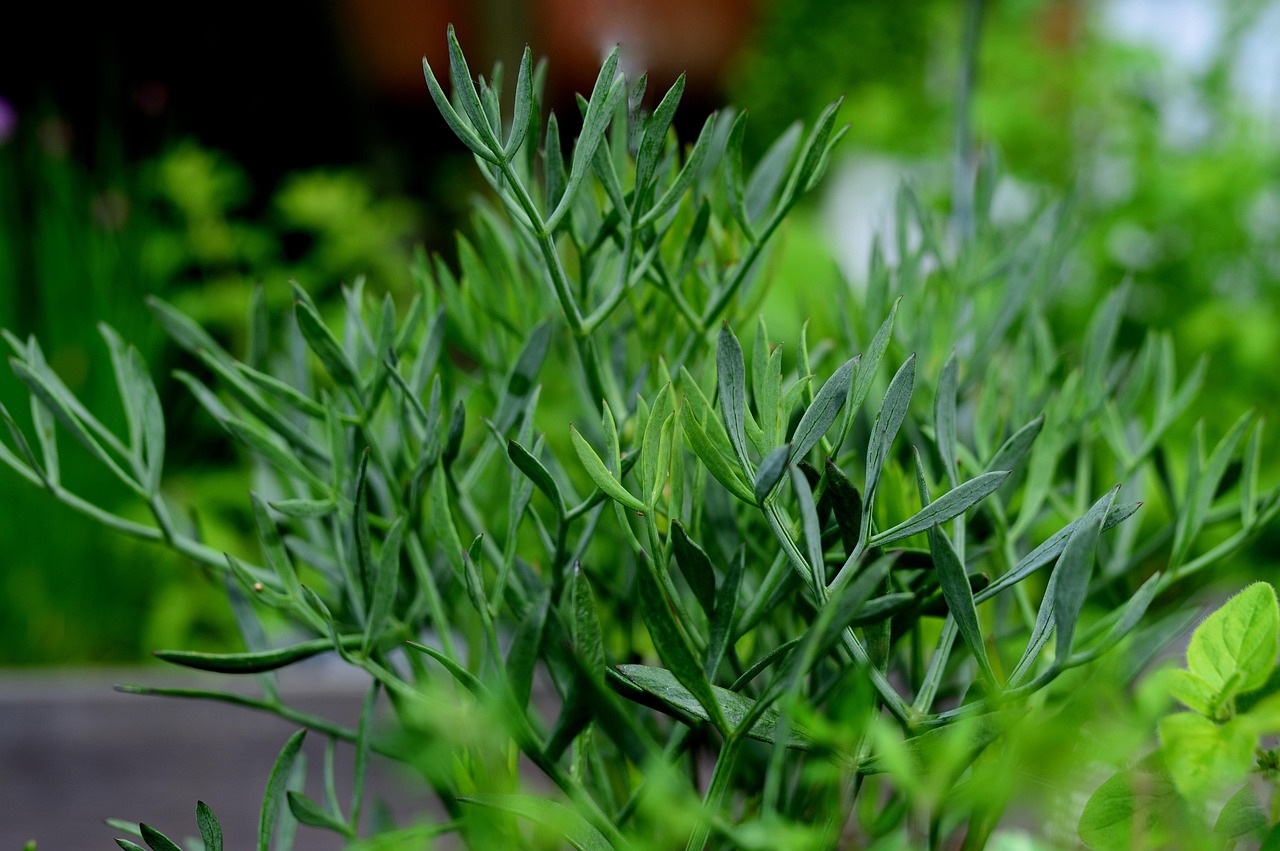
Fennel essential oil is steam-distilled from the crushed seeds of Foeniculum vulgare, typically the sweet variety grown around the Mediterranean basin. The scent is warm and anise-forward, with a slightly herbaceous edge and a subtle sweetness that reads almost fruity at low concentrations. That profile turns out to be a natural fit for the aromatic themes of autumn.
Consider what we reach for when the season changes: cinnamon, clove, orange, woods, dried grasses. These are all notes that carry depth and warmth. Fennel complements all of them without competing. It softens spice blends that might otherwise feel aggressive. It adds a herbal freshness to wood-heavy combinations that keeps them from feeling stuffy. And it works beautifully alongside citrus top notes, anchoring them long enough to let the warmth linger.
There is also a practical timing element here. Sweet fennel oil is harvested from seeds gathered in late summer and early autumn. Using it during this season connects the aromatic experience to its actual origin in the annual growing cycle. That sense of seasonal rightness is part of what makes fennel fall blends so satisfying.
If you are new to working with this oil and want a deeper understanding of its scent profile and blending behavior, the ultimate guide to blending and using fennel essential oil covers the fundamentals in detail and is a useful companion to everything here.
Understanding Fennel's Role in a Blend
Before jumping into recipes, it helps to understand where fennel typically sits in a blending structure. Essential oils are commonly categorized by their evaporation rate: top, middle, and base notes. Fennel lands in the middle. It is not the first thing you notice when you switch on the diffuser, and it does not anchor the dry-down the way cedarwood or vetiver would. It occupies the heart of the blend.
This makes fennel a connector. It links brighter top notes (citrus, cardamom) to heavier base notes (wood resins, root extracts) and keeps the overall profile feeling cohesive. When a blend smells pleasant but somehow flat or disconnected, adding a small amount of fennel oil to the middle layer often provides exactly the bridge that was missing.
A good starting ratio for diffuser use is to let fennel account for roughly 20 to 30 percent of the total drop count. This is enough to make its presence felt without letting the anise character overwhelm the composition. Fennel's aroma molecules are fairly potent, so less is usually more in the early stages of formulation.
One of the more interesting aspects of sweet fennel oil is its linalool content. Linalool is a naturally occurring terpene alcohol found across a wide range of botanical materials, and it contributes a soft, almost floral quality that rounds out fennel's sharper anise edge. For a closer look at how this molecule shapes the aromatic experience, see this piece on the linalool connection and fennel's supporting aroma molecules.
Five Autumn Diffuser Blends with Fennel
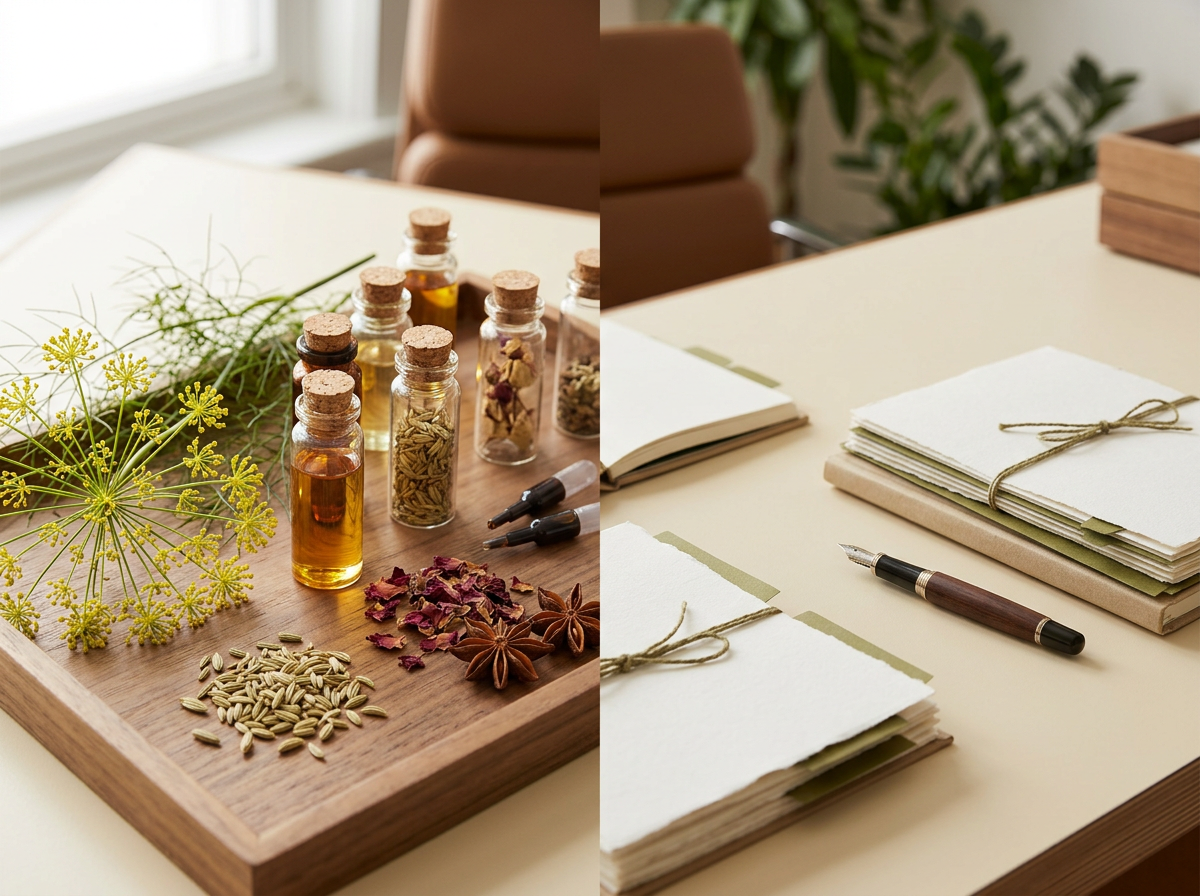
Each recipe below is designed for a standard 100ml ultrasonic diffuser. Adjust proportions proportionally for larger or smaller water reservoirs. All measurements are in drops.
1. Harvest Table
This blend evokes warm spiced fruit, the kind of scent that belongs in a kitchen during a slow weekend afternoon in October.
- Sweet fennel: 3 drops
- Sweet orange: 4 drops
- Cardamom: 2 drops
- Cedarwood: 2 drops
The orange provides brightness at the top. Cardamom and fennel share a spiced, slightly exotic quality that makes them natural partners. Cedarwood holds the base steady and gives the whole blend a dry, woody finish.
2. Root Cellar Morning
Earthy and grounded, this one suits cooler mornings when the house feels quiet and you want a scent that is present without being showy.
- Sweet fennel: 3 drops
- Vetiver: 1 drop
- Ginger: 2 drops
- Bergamot: 3 drops
Vetiver is potent, which is why it appears at just one drop. It gives the blend an earthy depth that pairs well with ginger's warmth. Fennel and bergamot together create a brightness that keeps the earthiness from feeling heavy.
3. Orchard Fog
A softer, more contemplative blend for evenings. Herbaceous and slightly sweet, with a lingering warmth.
- Sweet fennel: 4 drops
- Lavender: 3 drops
- Frankincense: 2 drops
- Clary sage: 1 drop
Fennel and lavender are a classic pairing, and autumn is an especially good time to revisit it. The slightly resinous quality of frankincense deepens the blend and gives it a meditative quality. Clary sage adds a hint of herbaceous complexity. If you enjoy this combination, the dedicated article on a signature sweet fennel and lavender evening blend explores it at much greater depth.
4. Spiced Woodland
Bold and warming. This blend leans into the more traditionally autumnal spice direction while keeping the composition balanced.
- Sweet fennel: 2 drops
- Cinnamon bark or cinnamon leaf: 1 drop
- Clove bud: 1 drop
- Sandalwood: 3 drops
- Lemon: 3 drops
A brief note on cinnamon and clove: both are potent oils and can be sensitizing for some people when used in excess. Keeping them at one drop each in a full 100ml diffuser keeps the spice element pleasant rather than sharp. Fennel's sweetness softens them. Lemon lifts the top, and sandalwood grounds everything.
5. Late October Quiet
Smoky, soft, and a little mysterious. This one is for the end of the month when the evenings get genuinely dark.
- Sweet fennel: 3 drops
- Black spruce: 3 drops
- Myrrh: 2 drops
- Wild orange: 2 drops
Black spruce has a clean, resinous forest quality that pairs with fennel's anise note in a way that feels almost like walking through a harvested herb garden at dusk. Myrrh adds smoke and depth. Wild orange keeps the blend from becoming too somber.
Seasonal Variations and Adjustments
Autumn spans a wide temperature range, and your blend preferences may shift as the season deepens. Here are a few ways to adapt these recipes over time.
Early Autumn (September into early October)
The air is still relatively warm, and there is often a lingering freshness. Lean into citrus-forward combinations. Increasing the orange or bergamot drops while keeping fennel at its standard ratio produces blends that feel seasonal without being heavy. The Harvest Table recipe above works especially well in this window.
Mid-Autumn (Mid-October into early November)
This is peak harvest season in terms of aromatic mood. Spice notes become more appealing as temperatures drop. The Spiced Woodland and Orchard Fog blends both suit this period well. You can also experiment with adding a single drop of black pepper to most of these recipes. It adds a subtle sharpness that suits cooler air.
Late Autumn (November)
By now the mood has shifted toward something quieter and more inward. Resinous and woody base notes become more prominent. Increase frankincense, myrrh, or cedarwood in your blends. Fennel continues to work well here, providing a counterpoint to heavier resinous notes.
A Few Practical Notes on Diffuser Use
For aromatic home use, most guidelines suggest running a diffuser for 30 to 60 minutes at a time, with breaks in between. Prolonged continuous diffusion in small or poorly ventilated spaces is generally not recommended. Good air circulation makes any diffuser experience more pleasant.
If you are diffusing around children, pregnant or nursing individuals, or pets, please consult a qualified healthcare provider before use. Some essential oils are not suitable for use in these situations, and individual sensitivities vary.
Store your fennel oil away from heat and direct light. Like most expressed or steam-distilled seed oils, sweet fennel is best used within two years of opening to preserve its aromatic quality.
Sourcing Matters for Autumn Blending
The quality of your starting materials shapes everything in aromatic blending. For fennel oil specifically, look for sweet fennel (Foeniculum vulgare var. dulce) sourced from Mediterranean producers, with a GC/MS test report available. This testing confirms the chemical composition of the oil and verifies that the trans-anethole content (the primary aromatic compound) is within expected ranges for genuine sweet fennel.
Batch-to-batch variation is real. A cold or wet growing season can shift the aromatic profile slightly. This is not a flaw. It is the natural variation of a plant-derived material, and it is part of what makes working with genuine essential oils interesting across seasons and years.
Autumn is a good moment to refresh your oil collection, particularly if you have bottles that have been open for more than 18 months. Oxidized oils do not blend as well, and their scent profiles can shift in ways that work against a carefully composed blend.
Getting the Most From Fennel This Season
Fennel essential oil rewards experimentation. Its sweet, anise-forward character is distinctive enough to define a blend, but flexible enough to play a supporting role when kept at lower concentrations. The harvest season is one of the better windows of the year to explore what it can do, partly because the seasonal aromatic vocabulary aligns so naturally with its profile.
Start with one of the five recipes above, adjust based on your own scent preferences, and keep notes. Over a few weeks of diffusing, you will develop a feel for exactly how much fennel suits your space and the particular combinations you enjoy most. That personal calibration is where aromatic blending becomes genuinely satisfying.