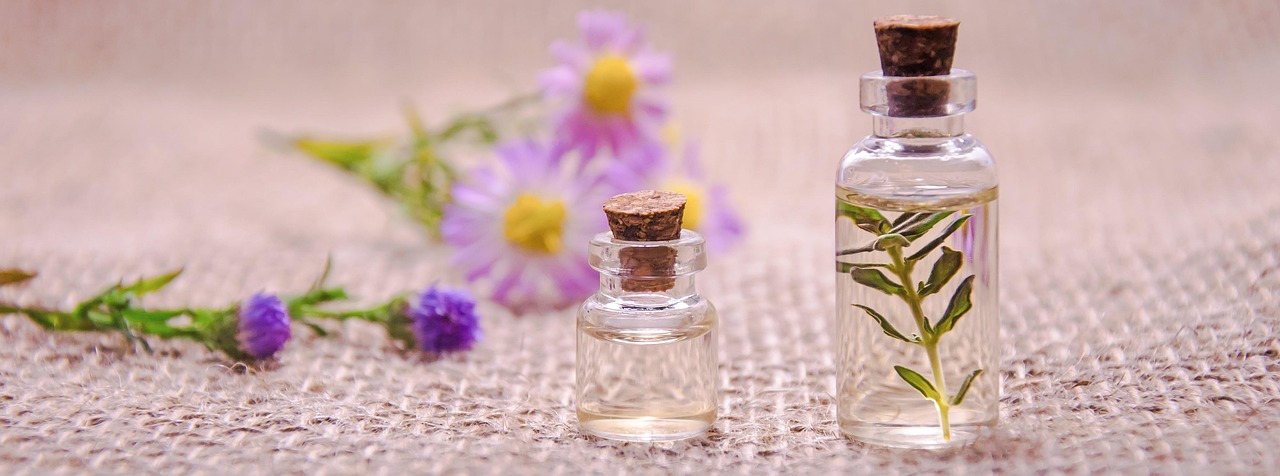
How Fennel Essential Oil Is Made: Steam Distilling the Crushed Seed
There is something quietly satisfying about understanding where a bottle of essential oil actually comes from. Fennel seed oil does not arrive on a shelf by magic. It begins in a sun-warmed field, moves through a harvest, and then travels through a carefully controlled distillation process before it becomes the pale, anise-scented liquid you unscrew and inhale. This guide walks through that process in practical detail, from raw seed to finished oil.
If you are new to fennel oil and want a broader overview before diving into production, the complete guide to fennel essential oil is a good place to start. For those already familiar with the basics, read on.
What Steam Distillation Actually Does
Before the step-by-step instructions, a short explanation of the mechanism is helpful. Steam distillation works because the aromatic compounds inside fennel seeds have a lower boiling point than water when they are carried by steam. When steam passes through crushed plant material, it picks up those volatile compounds and carries them upward into a condensation coil. The coil cools the steam back into liquid. That liquid separates naturally: water sinks, oil floats. The oil layer is your fennel essential oil.
The seeds of Foeniculum vulgare are dense with a compound called trans-anethole, which gives fennel oil its characteristic sweet, licorice-like character. Getting that compound out intact requires controlled temperature and pressure. Too much heat degrades the anethole. Too little and the extraction is incomplete. The process is less dramatic than it sounds, but precision matters.
Materials and Equipment Needed
You have two realistic paths here: a small home-scale setup, or understanding what commercial producers use. Both are covered below, because the principles are identical even if the scale differs wildly.
For a Small-Batch Home Distillation
- A copper or stainless steel pot still (1-liter to 5-liter capacity is practical for home use)
- A condenser coil with cold-water circulation
- A separator funnel or a narrow-necked receiving flask (to allow oil and hydrosol to separate by density)
- Food-grade tubing rated for steam temperatures
- A heat source with adjustable temperature control (an induction burner is ideal)
- Dried fennel seeds, 100 to 500 grams depending on still capacity
- A burr grinder, mortar and pestle, or manual spice crusher
- Distilled water (tap water introduces mineral deposits into the still over time)
- Amber glass vials for collection and storage
- A kitchen scale accurate to one gram
- pH strips (optional but useful for assessing the hydrosol layer)
At Commercial Scale
Commercial producers use stainless steel distillation vessels that hold hundreds of kilograms of plant material. The still is connected to a separate water boiler so steam can be injected at a controlled pressure. A shell-and-tube condenser replaces the simple coil. A Florentine flask or continuous separator handles the oil-water split automatically. The chemistry is the same. The throughput is simply much larger.
For context: it typically takes roughly 10 to 20 kilograms of dried fennel seed to produce one kilogram of essential oil, though this varies by seed variety, growing region, and harvest timing. That yield ratio is part of why quality fennel seed oil from a reputable supplier costs what it does.
Step-by-Step: How Fennel Oil Is Made
Step 1: Source and Inspect the Seeds
Good fennel distillation starts with good seeds. Sweet fennel (Foeniculum vulgare var. dulce) from the Mediterranean basin, particularly France, Egypt, and Italy, is the standard source for cosmetic and aromatic grade oils. Bitter fennel (Foeniculum vulgare var. vulgare) produces a sharper, more camphoraceous oil and is a different product entirely.
Look for seeds that are fully ripe and uniformly dried. Green, immature seeds contain a different aromatic profile and less anethole. Seeds should be free of mold, discoloration, and foreign material. If you are sourcing commercially, request a certificate of analysis (COA) that confirms moisture content and, ideally, GC/MS data showing the chemical composition.
Step 2: Crush the Seeds Immediately Before Distillation
This step is critical and often underestimated. Whole fennel seeds have a tough outer hull that resists steam penetration. Crushing ruptures the oil glands and dramatically improves extraction efficiency and yield.
Crush seeds coarsely. You are not making powder. A rough, cracked texture is the goal, something resembling coarse cracked pepper. A burr grinder on a coarse setting works well. A mortar and pestle gives you more tactile control. Avoid fine grinding, because very fine particles can pack tightly in the still and impede steam flow, or carry over into the condenser as particulate matter.
Crush only what you will distill in the same session. Crushed seeds begin losing volatile compounds to the air almost immediately. Pre-crushing and storing defeats the purpose.
Step 3: Load the Still
Fill the still's plant chamber or pot with your crushed seeds. Do not compress or pack them tightly. Loose packing allows steam to travel evenly through the material. Overpacking creates channels where steam bypasses much of the seed mass, reducing yield and consistency.
For a water-and-plant pot still (where seeds sit directly in water), add enough distilled water to cover the plant material generously and then some, typically one and a half to two times the volume of the seeds. For a steam-injection still, fill the separate boiler with distilled water and keep the plant chamber dry.
Step 4: Connect the Condenser and Begin Heating
Connect all components: still to condenser, condenser to receiving flask. Ensure all fittings are secure. Begin circulating cold water through the condenser jacket before you apply heat to the still. A condenser that is already warm when steam arrives will not condense efficiently, and you will lose volatile compounds.
Bring the still to temperature slowly. Rushing this step with high heat causes rapid, turbulent boiling that can force plant material into the condenser and cloud your distillate. A gentle, steady simmer is what you want. On an induction burner, starting at 60 to 70 percent power and then reducing once distillation begins is a reasonable approach.
Step 5: Collect the Distillate
Distillate will begin flowing from the condenser output within a few minutes of the still reaching temperature. It will look milky or cloudy at first. This is normal. The initial flow is called the head fraction and contains the lightest, most volatile compounds.
Collect the distillate in a narrow-necked flask. You will see two layers begin to form as the flask fills: a thin, pale yellow layer on top (the essential oil) and a larger volume of cloudy white liquid beneath (the fennel hydrosol, also called fennel water). The separation becomes cleaner as the flask sits undisturbed.
For sweet fennel, the distillation run typically takes one to three hours for a small batch. Experienced distillers often smell the output periodically. When the aroma shifts from sweet and anise-rich to thin and watery, the bulk of the aromatic compounds have been extracted and the run can be ended.
Step 6: Separate the Oil from the Hydrosol
Once distillation is complete and the distillate has cooled to room temperature, use a separating funnel to divide the oil from the hydrosol. The oil floats. Draw off the hydrosol from the bottom of the funnel first, then collect the oil layer separately.
The hydrosol is not waste. Fennel hydrosol carries its own gentle aromatic character and has uses in cosmetic formulation and culinary application. Store it separately in a clean, labeled bottle in the refrigerator if you plan to use it.
The essential oil layer may still contain trace water droplets. Passing the oil through a small amount of anhydrous sodium sulfate (available from laboratory suppliers) in a funnel lined with filter paper removes residual moisture before storage. This step is optional for immediate use but recommended if you plan to store the oil for months.
Step 7: Store the Oil Correctly
Transfer the finished oil into amber glass vials or bottles. Fennel seed oil is sensitive to light and oxygen, both of which accelerate oxidation and degrade the anethole content over time. Fill containers close to the top to minimize headspace. Cap tightly and store in a cool, dark location.
Properly stored sweet fennel essential oil remains aromatic and high-quality for two to three years. Label each bottle with the distillation date, seed origin, and batch number if you are producing multiple batches.
Tips and Common Mistakes
Do Not Skip the Crush
Distilling whole, uncrushed seeds is the single most common beginner mistake. Yields drop significantly, sometimes by half or more. Always crush immediately before loading.
Watch the Water Level
Running a pot still dry is dangerous and can damage the equipment. Check the water level during long distillation runs. Some distillers add a boiling chip or use a glass-bottomed still to monitor visually.
Keep the Condenser Water Cold
Warm condenser water means poor condensation. In warm weather, add ice to the condenser water reservoir, or use a small recirculating pump to keep fresh cold water cycling through.
Be Patient with Separation
Oil and hydrosol separate more cleanly when given time. If you rush the separation while the liquid is still warm, the layers will be turbid and the yield measurement inaccurate. Let the flask sit for at least 30 minutes after cooling.
Record Everything
Note your seed weight, water volume, distillation time, condenser water temperature, and oil yield for every batch. This data helps you refine technique and spot problems across batches.
What to Expect from Your Finished Oil
Sweet fennel essential oil produced through proper steam distillation is a pale yellow to nearly colorless liquid with a clean, warm, anise-like aroma. It is not murky, heavily colored, or sharp-smelling. If your oil is dark brown, strongly bitter, or smells burnt, the distillation temperature was too high or the seeds were of poor quality.
The color question is worth a separate look. If you are curious about why commercial fennel oil ranges from water-white to light yellow depending on source and processing, the article on why fennel essential oil is pale yellow covers the chemistry in detail.
Yield from dried sweet fennel seed by home distillation typically falls between 2 and 5 percent by weight, meaning 100 grams of seed produces roughly 2 to 5 milliliters of oil. Commercial producers with optimized equipment and carefully selected seed varieties may achieve the higher end of that range consistently.
Once you have oil in hand, the next question is usually what to do with it. For practical inspiration, the guide covering 18 everyday uses for fennel essential oil at home offers a range of cosmetic, aromatic, and household applications to explore.
A Note on Safety During Distillation
Steam distillation involves heat, pressurized steam, and glass equipment. A few practical precautions are worth stating clearly.
- Never seal a still completely. All distillation setups require a pressure release path. A sealed vessel under heat is a serious hazard.
- Inspect glass components for cracks before each use. Even a hairline crack can fail under heat.
- Keep children and pets away from an active still.
- Wear heat-resistant gloves when adjusting fittings during a run.
- Work in a well-ventilated space. Aromatic steam is pleasant in small amounts, but sustained exposure in an enclosed room is not comfortable.
Regarding the oil itself: fennel essential oil is potent and should always be diluted before any skin contact. A standard dilution for cosmetic application is 1 to 2 percent in a carrier oil (roughly 6 to 12 drops per 30 milliliters of carrier). Perform a patch test on a small area of skin before broader use. Consult a qualified healthcare provider with any questions specific to your situation, particularly if you are pregnant, nursing, or have any underlying health considerations.
The Bigger Picture of Fennel Distillation
Understanding how fennel oil is made changes how you read a product label. When a supplier lists the botanical name, the country of origin, and the plant part (seed), those details point directly to the decisions made at every stage of this process: which variety was grown, where it was harvested, and how it was distilled. A GC/MS report adds another layer, confirming what compounds are actually present in the bottle.
Fennel distillation is an old process. Mediterranean cultures have been extracting aromatic compounds from fennel for centuries, first through primitive alembic stills, later through refined industrial equipment. The fundamental chemistry has not changed. Steam still lifts the anethole, the coil still condenses it, and the oil still floats. What has improved is the precision of the equipment and the traceability of the supply chain. Both matter when the goal is a consistent, quality product.