
Where to Buy Fennel Essential Oil Online: A Checklist
Fennel essential oil has a distinctive sweetness that sits somewhere between anise and fresh herb. It is one of those oils that either captivates you immediately or sneaks up on you slowly. Either way, once you start looking for a quality bottle, you quickly realize how wide the range of options actually is. Prices swing dramatically. Label language varies wildly. And some bottles that look nearly identical on screen are very different products in reality.
This guide exists to cut through that noise. Whether you are searching for fennel oil online for the first time or reassessing a brand you have used before, the checklist below gives you a clear framework for evaluating what you find.

Start Here: What Quality Actually Looks Like
Before comparing prices or brand names, get clear on what separates a quality bottle from a mediocre one. These are the fundamentals.
Botanical and Geographic Specificity
The label should name the plant species: Foeniculum vulgare. Sweet fennel, the variety most widely used in cosmetic and aromatic applications, typically comes from France, Italy, or Hungary. Some suppliers also source from Egypt or India. Origin matters because climate and soil influence the chemical profile of the oil, particularly its anethole content, which drives that characteristic sweet, anise-like aroma.
A label that says only "fennel oil" without a Latin name or country of origin is giving you less information than you deserve. That omission is worth noting before you buy.
Extraction Method
Quality fennel essential oil is steam-distilled from the seeds (sometimes called fruits) of the plant. This is the standard method for this oil. If a product description is vague about extraction, or if it implies cold-pressing (more common with citrus oils), ask the supplier directly or move on.
GC/MS Testing
Gas chromatography/mass spectrometry analysis is the gold standard for verifying that an essential oil is what it claims to be. A GC/MS report shows the individual chemical constituents and their percentages. For sweet fennel oil, you would expect to see trans-anethole as the dominant compound, typically making up a substantial portion of the profile.
Reputable suppliers make these reports available, either on their website or on request. If a brand cannot or will not share batch-specific test results, that tells you something. You can learn more about interpreting these documents in our guide to reading a fennel oil label and GC/MS report before you order.
Packaging
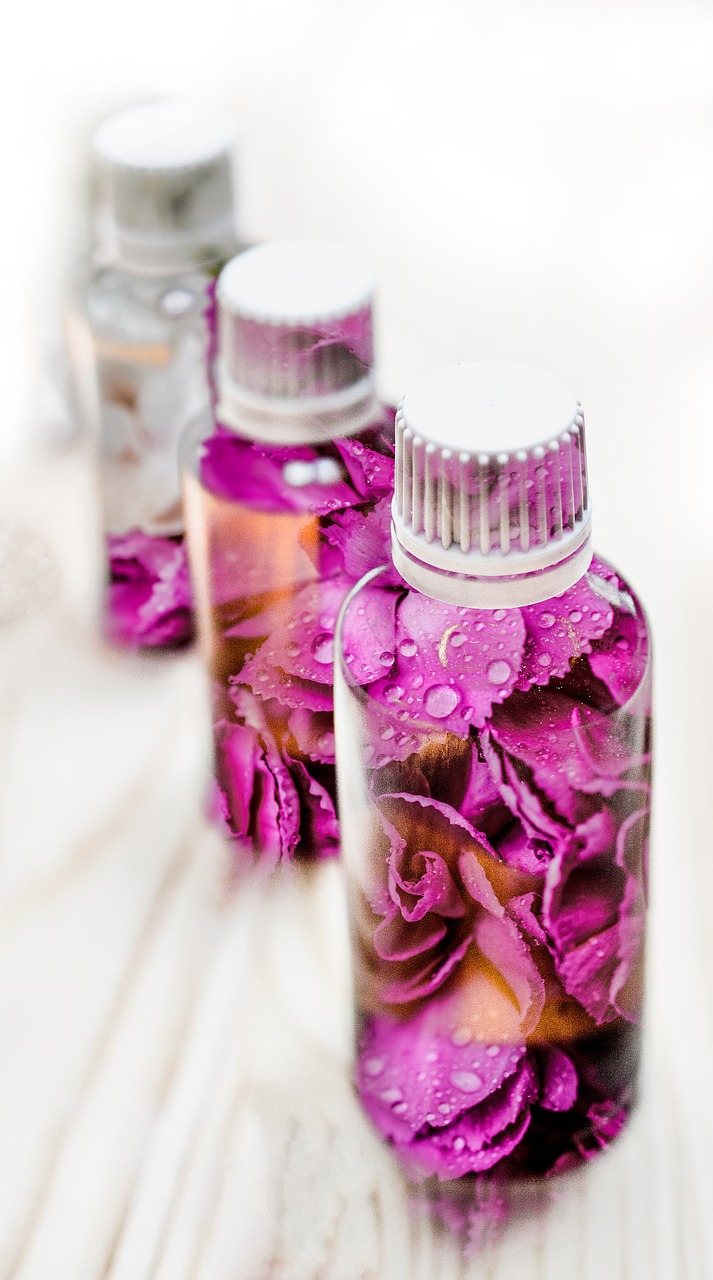
Essential oils are photosensitive. They should be packaged in dark glass, either amber or cobalt blue. Avoid any fennel oil sold in clear glass or plastic. The orifice reducer (the insert in the bottle opening) should allow controlled drops, not a wide pour.
The Buyer's Checklist
Run every product you consider through this list before adding it to your cart.
- Latin name present: Does the label say Foeniculum vulgare?
- Country of origin listed: France, Italy, and Hungary are commonly cited for sweet fennel.
- Extraction method stated: Should be steam distillation from seeds.
- GC/MS report available: Batch-specific preferred; general certificate of analysis is a minimum baseline.
- Third-party testing: Is testing done in-house, or by an independent lab? Independent is stronger.
- Dark glass packaging: Amber or cobalt. No clear glass, no plastic.
- No synthetic fragrance fillers: The ingredient list should show only Foeniculum vulgare seed oil. Nothing else.
- Shelf life or batch date: Fresher is better. Fennel oil has a shelf life of roughly two to three years when stored properly.
- Clear return or satisfaction policy: A supplier confident in their product usually backs it up.
Key Features to Compare Across Brands
Once a product passes the checklist above, move into comparison mode. These are the specific points where reputable brands diverge.
Organic Certification
Certified organic fennel oil is produced from crops grown without synthetic pesticides or fertilizers. Look for USDA Organic or an equivalent certification from the country of origin (such as Ecocert from France). The certification should be verifiable, not just claimed in marketing copy.
Organic tends to cost more. Whether the premium is worth it to you depends on your priorities and how you intend to use the oil.
Purity Guarantees
Some brands use language like "100% pure" or "undiluted." Those phrases are marketing, not regulated terms. What matters is the supporting evidence: GC/MS data. Purity claims without test data are unverifiable.
Available Sizes
Most suppliers offer fennel oil in 5 ml, 10 ml, or 15 ml bottles for home use. Some wholesale suppliers offer 30 ml or larger. If you are new to this oil, starting smaller is wise. Our article on your first bottle of fennel oil and which size to order walks through this decision in detail.
Sourcing Transparency
The best suppliers share information about where and how they source. Some work directly with farms. Others source through distillers. Direct relationships often mean better traceability and more consistent quality from batch to batch.
Price Tiers: What to Expect at Each Level

Fennel essential oil is not the most expensive oil on the market, but pricing still varies significantly. Here is a general sense of what different price points typically reflect.
| Price Range (per 10 ml) | What You Typically Get | Watch Out For |
|---|---|---|
| Under $6 | Mass-market oil, often sourced from lowest-cost suppliers, minimal testing documentation | Adulteration, vague labeling, plastic packaging |
| $6 to $14 | Mid-tier brands with basic quality controls, usually some testing available | In-house-only testing, limited origin details |
| $15 to $28 | Specialty or artisan suppliers, stronger sourcing transparency, independent lab testing | Premium branding that outpaces actual quality improvement |
| Over $28 | Often certified organic or single-origin, comprehensive documentation | Price alone does not guarantee superior oil; always verify with data |
A reasonable starting point for most buyers is somewhere in the $10 to $20 range for a 10 ml bottle from a brand that provides GC/MS reports. You can refine from there once you have a baseline reference for what quality fennel oil smells like.
Red Flags: When to Walk Away
Some warning signs are obvious. Others are easy to miss when you are browsing quickly. Keep these in mind as you shop for fennel oil online.
- No Latin name on the label. This is a basic transparency failure.
- "Fragrance oil" or "perfume oil" language. These are synthetic blends, not essential oils. Different product category entirely.
- Ingredient list that includes carrier oils without disclosure. If a fennel oil is already diluted in jojoba or fractionated coconut oil, that is a carrier blend, not a pure essential oil. It is not necessarily bad, but it should be stated clearly and priced accordingly.
- Wildly low prices. A 10 ml bottle of pure, tested fennel oil for under $4 is almost certainly not what it claims to be. Distillation, testing, and proper packaging all have real costs.
- Dramatic wellness claims. Any brand making strong claims about what their oil will do for your body crosses into territory that should make you skeptical of their overall credibility.
- No contact information or customer support channel. Reputable suppliers are reachable. Anonymous storefronts with no clear ownership are risky.
- Stock photos only, no real product images. Quality brands show their actual bottles, labels, and often their sourcing environments.
Where to Buy Fennel Essential Oil Online
The good news is that quality fennel oil is genuinely accessible. Here are the main channels to consider, along with honest notes on each.
Specialty Aromatics Retailers
Dedicated essential oil companies, particularly those focused on aromatics and cosmetic formulation, tend to offer the strongest combination of sourcing transparency, testing documentation, and product range. Names that have earned strong reputations in this space include Eden Botanicals, Stillpoint Aromatics, and Plant Therapy, among others. Look for their fennel oil listings specifically and verify the checklist points above for each.
Direct-from-Distiller Suppliers
A smaller number of suppliers work directly with distilleries in France, Italy, or elsewhere and sell to consumers. These sources can offer excellent traceability and sometimes lower per-unit cost. The trade-off is that selection may be limited and minimum order quantities sometimes apply.
General Marketplaces (Amazon, Etsy)
You can find fennel oil on Amazon and Etsy. The quality range here is extremely wide. Some excellent small-batch suppliers sell through these platforms. Others do not. Apply the full checklist with extra care, read reviews critically, and look for sellers who link to or publish their GC/MS data. Never assume a high review count equals quality oil.
Natural and Health Food Stores (Online Storefronts)
Retailers like Mountain Rose Herbs, iHerb, or Vitacost carry essential oils and operate online storefronts. These can be convenient for bundling orders. Check the same quality indicators as you would with any other source.
Before You Order: A Final Note on Safety and Dilution
Fennel essential oil is potent. It should always be diluted in a carrier oil before any skin contact. A standard starting dilution for most adults is 1 to 2 percent, which works out to roughly 6 to 12 drops of essential oil per ounce of carrier oil. Patch testing on a small area before wider use is always a sensible step.
Fennel oil is not appropriate for everyone. People who are pregnant, nursing, or managing certain health conditions should speak with a qualified healthcare provider before using it. Keep it out of reach of children and away from pets.
For a deeper look at evaluating what you find on a label or in a test report, visit our complete quality guide to buying fennel essential oil. It covers the chemistry, sourcing, and documentation questions worth asking before any purchase.
Finding a trustworthy bottle of fennel oil online is entirely doable. It just requires looking past the marketing and asking the right questions. Use this checklist every time, and you will be in a much stronger position to find oil that is genuinely worth your money.