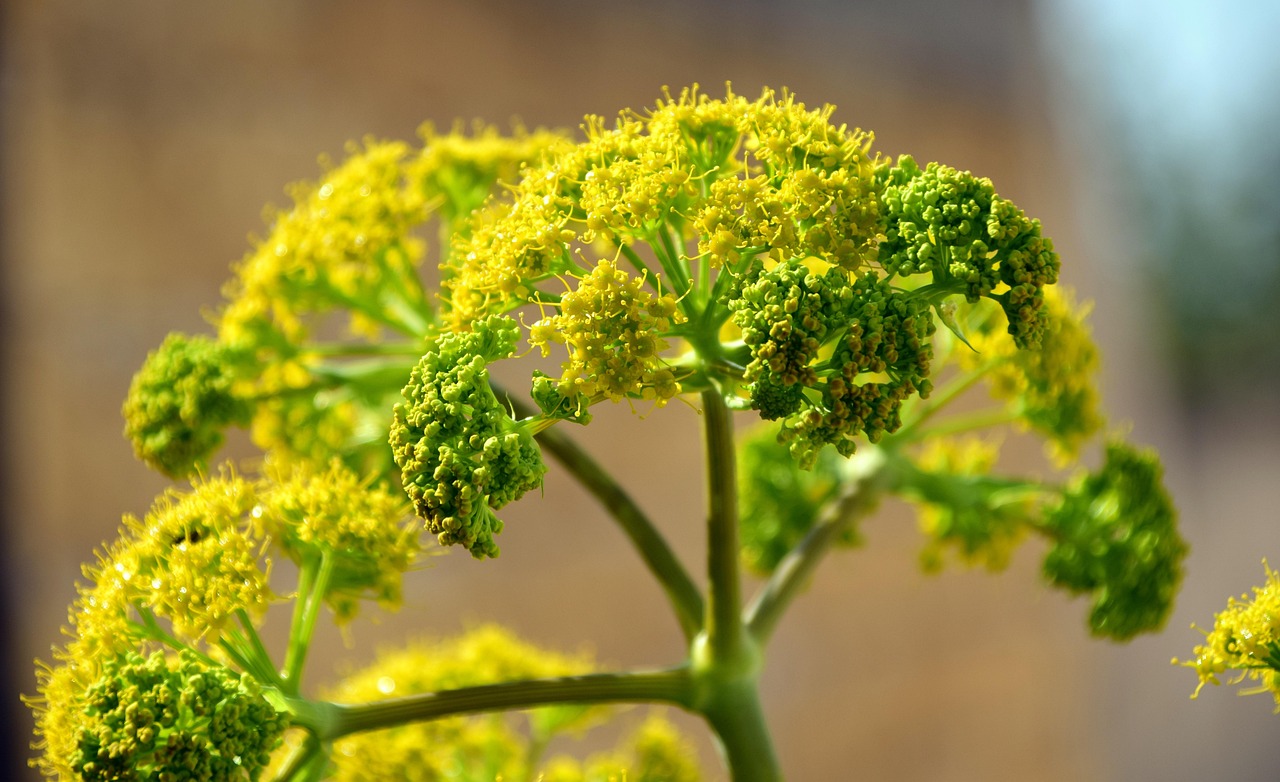
Fennel Essential Oil vs Fennel Fragrance Oil: The Honest Difference
You've found a bottle labeled "fennel" and you love the scent. Sweet, anise-like, faintly herbal. But look a little closer at that label. Is it an essential oil or a fragrance oil? The distinction matters more than most shoppers realize, and the two products are genuinely different in ways that affect your purchase decision, your formulations, and your results.
This guide walks through the honest difference between fennel essential oil and fennel fragrance oil, side by side. No hype in either direction. Both products have real merit for the right applications.
What Each Product Actually Is
Fennel Essential Oil
True fennel essential oil is steam-distilled (or sometimes cold-pressed) from the seeds or aerial parts of Foeniculum vulgare, a Mediterranean plant cultivated for centuries in culinary and aromatic traditions. The oil is a direct botanical extract. Its chemical profile, dominated by compounds such as trans-anethole, fenchone, and estragole, comes entirely from the plant itself. Nothing is added to replicate or extend the scent.
Sourcing and distillation method have a significant impact on quality. French, Italian, and Tunisian fennel oils carry slightly different aromatic characters depending on soil, climate, and harvest timing. If you want to dig into what separates a quality bottle from a mediocre one, the complete quality guide to buying fennel essential oil covers that topic in depth.
Fennel Fragrance Oil
Fennel fragrance oil is a blended aroma compound, typically formulated by a perfumer or fragrance house. It may contain some naturally derived anethole or fennel extract, but it will also include synthetic aroma chemicals, carrier solvents, and fixatives. The goal is a stable, consistent, often more affordable scent that performs reliably in specific applications such as candles, soaps, and body products.
Fragrance oils are not inferior by default. They are different by design. A skilled fragrance house can create a fennel scent profile that is richer, longer-lasting, or more affordable for high-volume cosmetic manufacturing than the essential oil equivalent would be.
Head-to-Head Comparison Table
| Attribute | Fennel Essential Oil | Fennel Fragrance Oil |
|---|---|---|
| Origin | Steam-distilled from Foeniculum vulgare plant material | Blended aroma compounds, may include synthetic ingredients |
| Scent character | Complex, true-to-plant, slightly variable by origin | Consistent, often sweeter or more linear, designed for stability |
| Scent longevity | Moderate; evaporates faster as a top-to-middle note | Often longer-lasting due to fixatives and synthetic components |
| Typical cost | Higher per ml; price reflects distillation and sourcing | Generally lower per unit; economical for large batches |
| Skin use suitability | Yes, with proper dilution; subject to safety guidelines | Varies by formula; must check IFRA compliance and skin-safe rating |
| Candle/soap performance | Can flash off at high temperatures; may require higher usage rate | Generally formulated to perform well in wax and soap |
| Diffuser use | Widely used; clean, botanical aroma in the air | Possible, but some formulas contain carriers not ideal for diffusion |
| Label transparency | Should list botanical name and country of origin | Ingredients often listed as "fragrance" (proprietary blend) |
| Regulatory status | Sold as cosmetic or aromatic ingredient; not for internal use | Sold as cosmetic/craft ingredient; same external-use restrictions apply |
| Natural claim eligibility | Yes, if undiluted and unadulterated | No, or limited; contains synthetic components |
The Scent Difference Up Close

This is where a fennel scent comparison gets interesting. The two products can smell quite similar on first sniff. Both carry that characteristic sweet anise warmth. But spend a few minutes with each, and distinctions emerge.
Fennel essential oil tends to open with a brighter, sharper herbal note before settling into the familiar sweetness. There is often a faint green quality, a slight earthiness. The scent shifts on the skin as lighter molecules evaporate first. You are smelling a dynamic, living botanical profile.
A well-made fennel fragrance oil may smell more uniformly sweet and rounded. The perfumer has locked in a particular character and ensured it stays consistent from the moment you open the bottle to the last application. For candle makers, that consistency is genuinely valuable. For diffuser enthusiasts who want a faithful botanical experience, the essential oil version often feels more alive.
Neither is objectively "better" as a scent. They are different creative and functional tools.
Pros and Cons: Fennel Essential Oil
Pros
- Authentic botanical origin, traceable to a specific plant and growing region
- Suitable for natural and organic product formulations
- Complex, evolving scent profile valued by perfumers and aromatherapy enthusiasts
- Widely studied compound profile; ingredient data is publicly available
- Works well in diffusers, personal care products, and fine fragrance blending
Cons
- Higher cost per ml, which adds up in large production batches
- Scent can vary between suppliers and harvests; batch consistency requires supplier diligence
- Shorter throw in candles and wax melts compared to fragrance oil alternatives
- Contains compounds (notably estragole and fenchone) that require attention to dilution and usage rates
- Not appropriate for use during pregnancy, on children, or at high concentrations without professional guidance
Pros and Cons: Fennel Fragrance Oil

Pros
- Consistent scent profile from batch to batch, ideal for retail product lines
- Often more affordable, particularly for high-volume candle or soap production
- Formulated specifically for candle, soap, or cosmetic performance (better scent throw, stability in wax)
- Wide variety of scent profiles available, from classic sweet fennel to more complex blends
- Good IFRA-compliant options exist for skin-safe applications
Cons
- Cannot be marketed as natural, organic, or botanically derived
- Ingredient transparency is limited; "fragrance" on a label covers many potential components
- Some fragrance oils contain phthalates, sensitizing compounds, or carriers not suitable for diffusion
- The scent, while often pleasant, lacks the botanical complexity of the distilled oil
- Not suitable for all diffusers; always verify with the manufacturer before use
Best For: Use Case Recommendations
Diffuser Blending and Home Atmosphere
Choose fennel essential oil. The botanical complexity comes through best in diffused air. The scent evolves over time in a way that most fragrance oil formulas do not replicate. Look for a quality-sourced sweet fennel from France or the Mediterranean region.
Candle Making
Choose fennel fragrance oil. Essential oils can flash off or lose their character at candle-pouring temperatures. A purpose-formulated fennel fragrance oil will give you a stronger, more reliable scent throw in the finished candle. Look for a version with a flash point above your pouring temperature.
Soap Making (Cold Process or Melt and Pour)
Fragrance oil has the edge here, but essential oil can work. Fennel essential oil may accelerate trace in cold-process soap and can fade over cure time. A soap-specific fennel fragrance oil will behave more predictably and hold its scent longer. If you want to use essential oil, test in a small batch first.
Skin Care Formulations (Serums, Creams, Body Oils)
Fennel essential oil, with care. If your product is positioned as natural or botanical, the essential oil is the appropriate choice. Follow current dilution guidelines (typically 1 percent or below for leave-on products) and conduct patch testing. Confirm your supplier provides GC/MS data. For more on selecting a trustworthy source, the online buying checklist for fennel essential oil is a useful starting point.
Personal Fragrance and Perfumery
Fennel essential oil. The natural anethole character blends beautifully with citrus top notes, herbaceous middles, and warm woody bases. Fragrance oils are less flexible in perfumery because their full formula is unknown, making it harder to predict how they will interact with other ingredients.
Craft Projects, Potpourri, and Room Sprays
Either works well. Cost and convenience may tip the decision. Fragrance oil is often more economical for large-batch room sprays or craft applications where botanical authenticity is not the priority.
First-Time Buyers Exploring Fennel Scent
Start with a small bottle of essential oil. It gives you the truest reference point for the scent. Once you know what you are working with aromatically, you can decide whether a fragrance oil alternative meets your needs for specific projects. The guide to choosing your first bottle size will help you avoid over-committing before you know how often you will use it.
A Note on Safety for Both Products
Neither fennel essential oil nor fennel fragrance oil is a free-pass ingredient. Both require responsible handling.
For fennel essential oil: always dilute before skin contact, perform a patch test before wider use, keep away from children, and consult a qualified healthcare provider if you have any concerns about suitability for your situation. Pregnant individuals should seek professional guidance before using fennel oil.
For fennel fragrance oil: check the product's IFRA compliance sheet before skin use, verify it is rated for your intended application (skin-safe, candle-safe, etc.), and avoid diffusing oils that contain significant quantities of carrier or solvent materials. Read the safety data sheet from your supplier.
The Verdict
The essential oil vs fragrance oil question does not have a single right answer. It depends entirely on what you are making and what you value most in the finished product.
If botanical authenticity, natural formulation claims, and aromatic complexity are priorities, fennel essential oil is the clear choice. Invest in a quality source, verify GC/MS documentation, and use it with proper dilution discipline.
If you are producing candles or soaps at volume, working within a tight budget, or simply need a consistent, long-lasting fennel scent that performs reliably in high-heat applications, a well-sourced fennel fragrance oil will serve you better.
Many formulators and hobbyists keep both on hand. The essential oil goes into their diffuser blends and skin care work. The fragrance oil handles the candle line. That is not a contradiction. That is practical, honest product knowledge at work.