
What Does Fennel Essential Oil Smell Like? A Full Scent Profile
Crack open a bottle of fennel essential oil for the first time, and the scent hits immediately: bright, sweet, unmistakably herbal. It is the kind of aroma that pulls you toward a Mediterranean kitchen, toward ripe seed heads nodding in afternoon heat, toward something both familiar and faintly exotic. But describing it precisely takes a little more unpacking. The fennel oil smell is layered, and understanding those layers makes you a far more informed buyer, blender, and user.
This deep-dive covers the fennel scent profile from the ground up: the chemistry behind the aroma, what the research literature observes about its key compounds, how sourcing affects what ends up in your bottle, and what to keep in mind when using it safely.
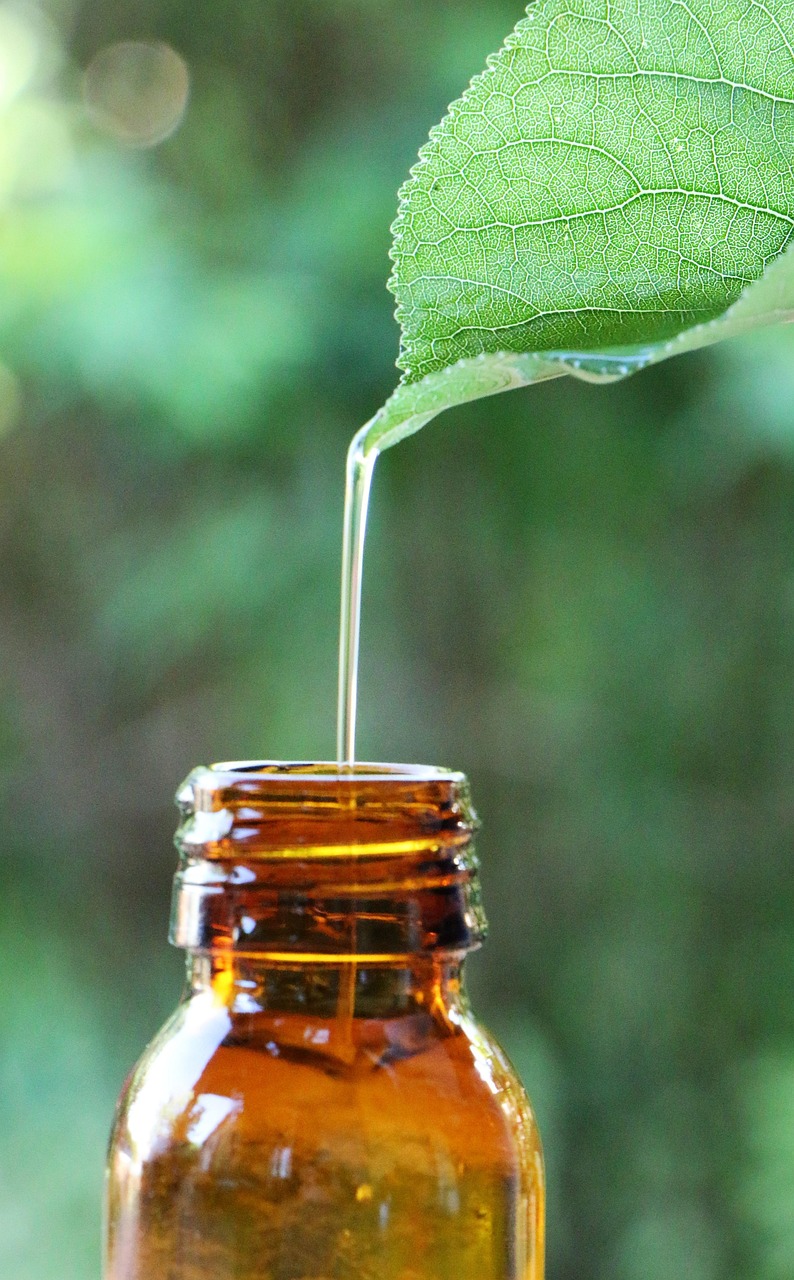
For broader context on the plant itself, the complete guide to fennel essential oil is a useful companion read before you go further.
The First Impression: How Fennel Oil Smells
Most people reach for the word anise first, and that is fair. The anise sweet aroma that defines fennel oil comes from a shared chemical family with star anise and aniseed, even though those plants are botanically unrelated to fennel (Foeniculum vulgare). The similarity is a case of convergent chemistry, not botanical kinship.
Beyond the anise note, a well-sourced fennel oil reveals a soft herbal greenness underneath the sweetness. Some noses detect a faintly earthy, almost grassy undertone in the base. There is rarely anything harsh or medicinal about it. The finish is clean and relatively dry compared to star anise oil, which can read as heavier and more resinous.
In perfumery terms, fennel sits comfortably in the herbal-aromatic family, sometimes categorized under spicy-fresh depending on the specific chemotype and distillation method. Its volatility places it in the top-to-middle note range, meaning it contributes upfront brightness to a blend without lingering as the dominant impression.
Chemical Composition: Where the Scent Comes From
Aroma is chemistry. Every nuance in the fennel oil smell corresponds to a specific molecule or group of molecules present in the oil. Understanding the main players explains why fennel smells the way it does, and why quality varies between batches and suppliers.
Trans-Anethole: The Dominant Driver
Trans-anethole is the compound most responsible for the characteristic anise sweet aroma of fennel essential oil. In a typical sweet fennel (Foeniculum vulgare var. dulce) oil, trans-anethole accounts for roughly 60 to 80 percent of the total composition, sometimes higher. It is a phenylpropanoid: a class of aromatic compounds synthesized by plants along the shikimate biosynthetic pathway.
Olfactorily, trans-anethole reads as intensely sweet, slightly powdery, and anisic. It is the compound responsible for the recognizable similarity between fennel, star anise, and licorice root, even though those plants produce it through independent evolutionary paths.
Research published in flavor and fragrance chemistry journals consistently identifies trans-anethole as the principal odor-active compound in sweet fennel oil, with odor activity values far above threshold levels. This means even small changes in trans-anethole concentration have a noticeable impact on how the finished oil smells.
Fenchone: The Bitter Counterpoint
Fenchone is a monoterpene ketone that introduces an element of sharpness and slight bitterness into the fennel scent profile. In sweet fennel oil, fenchone levels are relatively low, typically under 10 percent. In bitter fennel (Foeniculum vulgare var. vulgare), fenchone concentrations rise dramatically, sometimes reaching 20 to 30 percent or more.
This is one of the most important compositional distinctions between the two main commercial varieties. Sweet fennel oil smells sweeter, rounder, and more approachable largely because fenchone is kept in check by high trans-anethole. Bitter fennel oil has a more camphorous, pungent character that puts some users off but appeals to others in specific industrial and culinary fragrance applications.
For cosmetic blending and aromatic use, sweet fennel is the standard recommendation, and fenchone content is one of the clearest quality markers to check on a certificate of analysis (COA).
Estragole: A Minor Player With Notable Importance
Estragole (also called methyl chavicol) is another phenylpropanoid present in fennel oil, usually in the range of 2 to 10 percent in sweet fennel. Its aroma contribution is subtle: it adds a slightly sweet, herbal, slightly spicy nuance that rounds out the profile without being identifiable on its own in a complex blend.
Estragole's significance extends beyond scent, however. The European Food Safety Authority and several scientific bodies have flagged estragole as a compound warranting attention due to research suggesting potential concerns at high exposure levels. This has implications for safety guidance around fennel oil usage (more on that in the safety section below).
Limonene, Alpha-Pinene, and the Supporting Cast
Sweet fennel oil also contains smaller fractions of monoterpene hydrocarbons, most notably limonene and alpha-pinene. These contribute a light, citrusy freshness (limonene) and a subtle piney, resinous lift (alpha-pinene) to the overall profile. Their presence is part of what keeps fennel oil smelling bright rather than heavy or syrupy despite its high sweetness from trans-anethole.
Other minor compounds, including camphene, beta-pinene, and myrcene, appear in trace amounts and vary noticeably depending on geographic origin, harvest timing, and distillation conditions. A full gas chromatography/mass spectrometry (GC/MS) report from a reputable supplier will show all of these, and comparing reports across batches is one of the most reliable ways to assess consistency.
How Scent Varies by Source and Quality
Not all fennel oils smell the same. The fennel oil smell you encounter from a French or Italian distillation will often differ from one sourced in India, Egypt, or Eastern Europe. These differences reflect real variations in chemotype, agricultural practice, climate, and extraction method.
Mediterranean-sourced sweet fennel oils, particularly from France and Italy, are generally regarded by perfumers as the benchmark for the classic anise sweet aroma. The warm, dry growing conditions encourage high trans-anethole accumulation in the seeds. Egyptian fennel oil has its own distinct character: often slightly earthier, sometimes with a warmer, more rounded sweetness. Indian fennel oil can vary widely depending on cultivar and distillation quality.
The distillation method itself shapes the scent significantly. To understand why, the full explanation of steam distillation and fennel oil production walks through how temperature, duration, and still design all influence the final aromatic composition.
Color is another indirect quality signal. A properly distilled sweet fennel oil is typically pale yellow to nearly colorless. Darker coloration can suggest oxidation, contamination, or poor storage. A deeper look at why fennel essential oil appears pale yellow connects color to compositional integrity in ways that matter when you are evaluating a new supplier.
What to Ask for When Buying
- GC/MS report: Confirms trans-anethole percentage, fenchone levels, and estragole content. Request a batch-specific report, not a generic one.
- Latin name and variety: Look for Foeniculum vulgare var. dulce for sweet fennel. Generic labeling that omits the variety is a yellow flag.
- Country of origin: Reputable suppliers list this clearly. Mediterranean origin is typically associated with the most aromatic sweet profiles.
- Harvest and distillation date: Fennel oil is relatively stable but does oxidize over time. Fresh distillation dates suggest better aromatic integrity.
- Third-party testing: An ISO-certified or independently verified COA carries more weight than in-house testing alone.
Research Observations on Key Compounds
The scientific literature on fennel essential oil is substantial, spanning food science, flavor chemistry, and cosmetic research. Some observations from that literature are worth noting, framed carefully: these are research findings about compounds, not claims about what the oil does in a personal care or aromatic context.
Studies examining trans-anethole's sensory properties consistently describe it as one of the most potent anise-type odorants known, with detection thresholds in the parts-per-billion range in water. This explains why even diluted fennel oil makes a strong aromatic impression. Research suggests that trans-anethole's structural symmetry (it is a para-substituted methoxyphenyl compound) contributes to its stability relative to some other aromatic molecules.
Fenchone has been studied for its contribution to bitter and camphorous sensory profiles. Some research suggests that fenchone and trans-anethole interact synergistically in the nose, with higher fenchone ratios suppressing the perceived sweetness even when trans-anethole levels remain constant. This is a useful insight for blenders: the ratio matters as much as the absolute quantity.
On estragole, a 2001 European Commission Scientific Committee on Food opinion and subsequent EFSA evaluations suggest that estragole warrants caution at high dietary intake levels. Research observations from animal studies identified potential concerns that have led several regulatory bodies to recommend minimizing routine exposure. This does not mean fennel oil is unsafe at normal cosmetic dilutions, but it does underscore the importance of working within established dilution guidelines.
Safety Profile and Contraindications
Fennel essential oil is generally considered safe for adult cosmetic and aromatic use when properly diluted. The following guidance reflects current industry standards and published safety assessments.
Dilution Guidelines
For leave-on skin applications (body lotions, facial serums, massage blends), a dilution of 0.5 to 1 percent in a carrier oil is a widely cited guideline. For rinse-off applications and diffusion, slightly higher concentrations are generally considered acceptable. Always perform a patch test before widespread skin application: apply a small amount of your diluted blend to the inner forearm, wait 24 hours, and observe for any reaction.
Populations Who Should Avoid or Limit Use
- Pregnancy: Fennel oil is typically listed as one to avoid during pregnancy, particularly in the first trimester. The estragole content and other constituents raise caution flags in pregnancy safety literature. Consult a qualified healthcare provider before any use.
- Young children: Essential oils high in phenylpropanoids are not recommended for topical or aromatic use around infants and young children without specific professional guidance.
- Estrogen-sensitive conditions: Trans-anethole has been noted in some research for its structural similarity to estrogens. People with hormone-sensitive personal health histories should discuss fennel oil use with their healthcare provider.
- Epilepsy history: Some safety references list fennel oil among those to approach with caution for individuals with a history of seizure disorders. Consult a qualified healthcare provider.
None of the above constitutes a substitute for professional medical advice. Always consult a qualified healthcare provider if you have specific health concerns before incorporating any essential oil into your routine.
Oxidation and Storage
Oxidized fennel oil carries a higher sensitization risk than fresh oil. Store your oil in a dark amber or cobalt glass bottle, tightly sealed, away from heat and direct sunlight. Refrigeration extends shelf life. Oils that smell noticeably different from when you first opened them, or that have developed a sharp or rancid note, should be retired from skin use.
Using the Scent Profile in Blending
Understanding the fennel scent profile gives you a practical advantage when building blends. Because trans-anethole dominates so completely, fennel oil has a strong aromatic personality. A little goes a long way. Starting at 1 to 3 percent of your total blend volume is a sensible starting point before adjusting upward if needed.
Fennel oil blends well with citrus top notes (sweet orange, grapefruit, bergamot) that complement its brightness without competing. Warm spice notes like cardamom and ginger work nicely alongside the anise sweetness. Lavender and clary sage smooth out the herbal edge and add depth. For more unusual combinations, some perfumers pair fennel with rose absolute or ylang ylang, letting the anise note add an unexpected aromatic twist to floral compositions.
Woody base notes, particularly cedarwood, sandalwood, and vetiver, provide grounding for fennel's volatile top-note character and help anchor blends that might otherwise feel too airy. Experimenting on a scent strip before committing to a full formula is always worth the extra step.
The Scent as a Sourcing Signal
Your nose is one of the most reliable quality-control instruments you have. A genuine sweet fennel oil from a quality distillation should smell clean, sweet, distinctly anisic, and faintly herbal. It should not smell sharp, harsh, solvent-like, or musty. Any off-notes are worth investigating with a GC/MS report before proceeding.
Adulteration of fennel oil is not unheard of in the commercial market. Cheaper synthetic anethole or star anise oil (which is chemically similar but botanically distinct) can be used to bulk out or substitute for genuine fennel oil. A side-by-side comparison of GC/MS data is the clearest way to catch substitution, but an experienced nose can often detect a flatter, more one-dimensional profile in adulterated oils compared to the layered complexity of a genuine whole-plant distillation.
The fennel scent profile, in its best expression, is more than just anise sweetness. It carries the character of the whole plant: the seeds, the fronds, the warm-climate soil. That complexity is what you are paying for when you source well, and it is what makes fennel oil a genuinely interesting aromatic ingredient rather than simply a functional one.