Fennel Oil for Aging Skin: What the Lab Tests Really Show
Fennel oil does well in antioxidant tests, and that is where a lot of "anti-aging" talk begins. The tests are real. They just happen in a test tube, and the distance between a tube and a face is where the story gets more interesting.
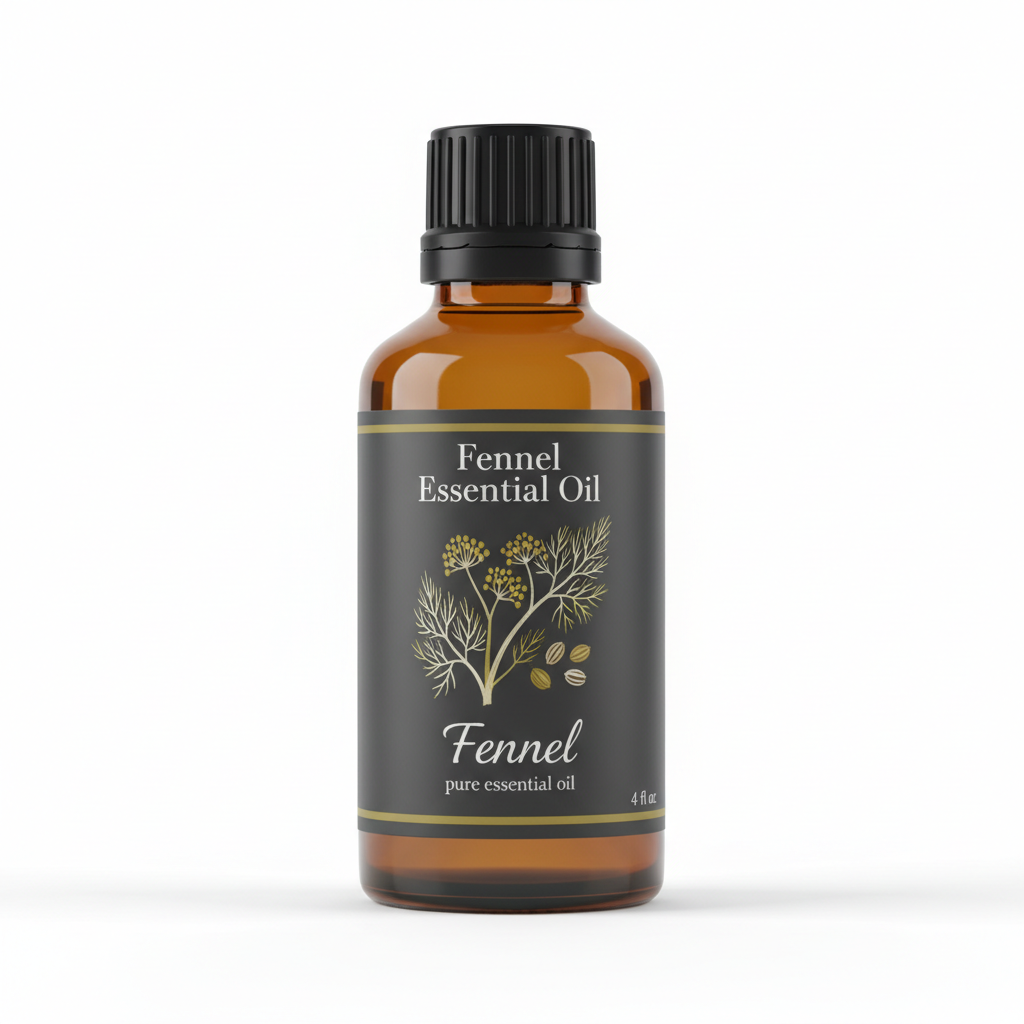
Fennel Essential Oil
Our own Fennel Essential Oil, in sizes from 0.5 oz to bulk.
From $13.99
Shop Now →What the test measures
The most quoted test is called DPPH. A sample is mixed with a stable coloured chemical and the researchers record how much is needed to fade the colour. No skin, no sunlight and no person is involved. A 2025 study of Moroccan fennel seed oil, which was mostly fenchone, trans-anethole and limonene, reported a strong result in this kind of test, and its authors state that the work is in vitro and in silico and needs experimental confirmation in real biological systems (El Moumen et al., 2025).
Same plant, very different numbers
The most useful detail is how much the result depends on which oil you test. A 2011 study distilled three organically grown Egyptian fennel cultivars and ran the same test. The sweet fennel oil performed close to the ascorbic acid used for comparison, while the bitter fennel oil, which was mostly estragole, was roughly 37 times weaker (Shahat et al., 2011). The authors' own methods and results use different units, so we would trust the ranking more than the exact figures.
So "fennel oil is a strong antioxidant" is really "this particular oil did well in this particular test". That is also why we suggest asking any seller for a lot-specific composition report, ours included, before relying on a single headline number.
What dermatologists put first
The American Academy of Dermatology says dermatologists agree that sunscreen and moisturizer are the two most effective anti-aging products you can buy. It recommends a broad-spectrum, water-resistant sunscreen of SPF 30 or higher and adds a line we like for its honesty: you cannot get the results of a facelift from a cream (AAD, How to select anti-aging skin care products). We do not make sun protection claims for our oil, and nothing about a scented oil replaces sunscreen.
How to read a headline like this
When a product page says an oil is "rich in antioxidants" or "anti-aging", it helps to slow down and ask a few plain questions. The answers usually tell you more than the claim does.
- Who was tested? A test tube, a cell dish and a person are three very different things.
- Which oil was tested? As the studies above show, two fennel oils can give very different results, so a claim about "fennel" is not a claim about the bottle in your hand.
- How was it used? A result for a concentrated sample says little about the tiny amount in a body oil.
- Who benefits from the claim? If the only source is the seller, take it as marketing.
None of this makes the research dull. It is genuinely interesting that a kitchen herb gives such varied results in the lab. It just means the honest answer to "does it work on my face?" is that nobody has shown it.
The pleasure of a simple routine
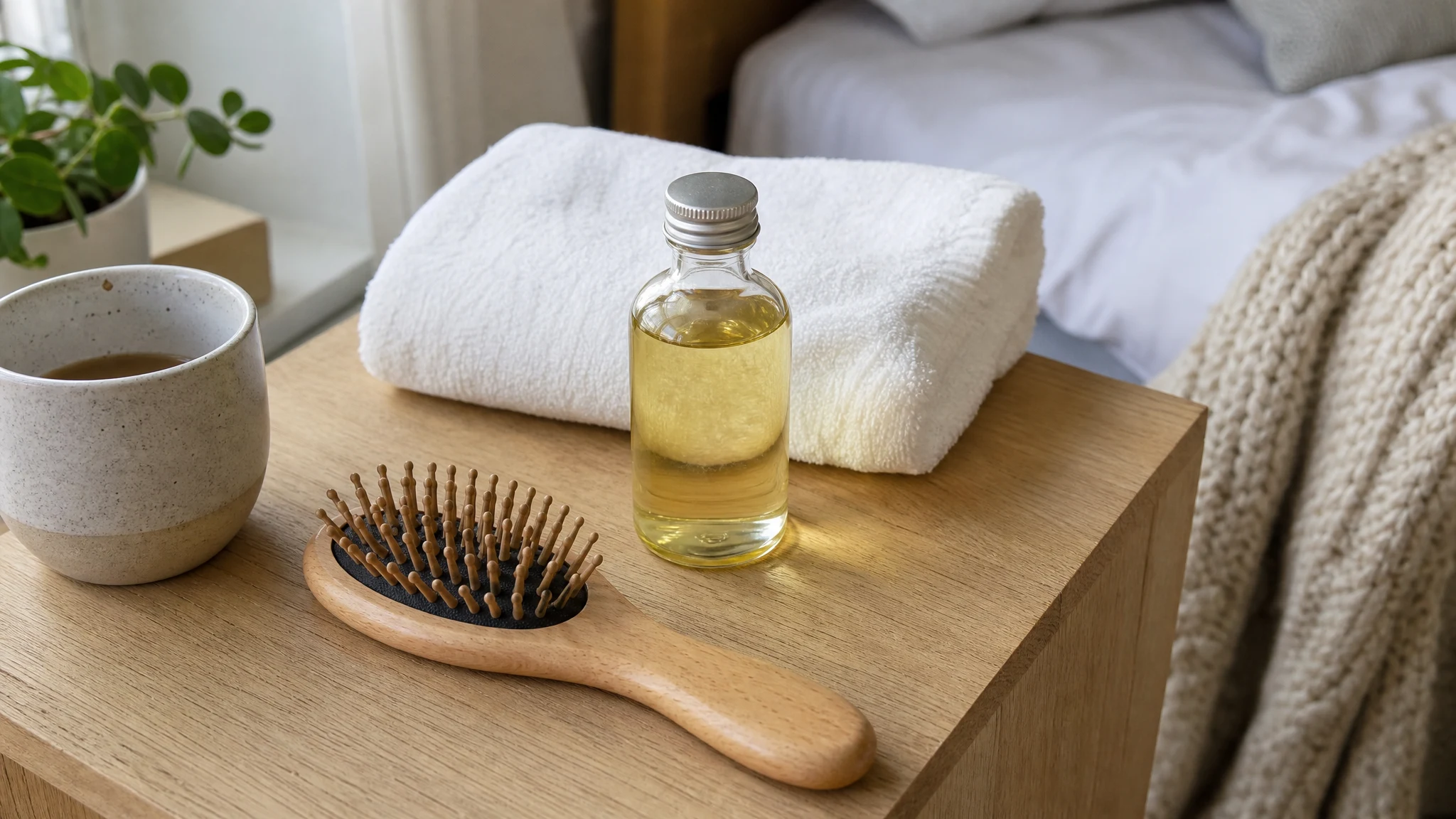
If you love the smell of fennel, nothing stops you from enjoying it for what it is. A light body oil after a bath is a small ritual: the carrier does the moisturising, and the fennel adds a faint, sweet, herbal note that you may notice more in the steam of a warm bathroom than on your skin an hour later. Apply a thin layer, keep it away from your face and eyes, and treat it as a scent you like, not a treatment.
For anything about lines, spots or sun damage, a dermatologist is a far better guide than any oil bottle, ours included.
Where fennel oil honestly fits
As far as we know, nobody has published a human trial of fennel essential oil on aging skin, so we make no claim about it. What we can say is that it has a lovely aroma, sweet and anise-like with an earthy, peppery finish, and that an after-bath body oil is a pleasant way to use it at a low dilution. Our body oil formulation is built from published dilution guidance, and it is about fragrance and the simple comfort of moisturising with a carrier.
Our guidance is 0.5% to 2% in a carrier oil with a patch test first, as set out in the skin basics guide. We recommend avoiding fennel oil entirely in pregnancy and breastfeeding. It is not for children, and anyone with an oestrogen-sensitive condition or epilepsy should leave it alone. If you have reacted to celery, aniseed, caraway, coriander or dill, skip it as well.
Fennel oil is an interesting material for the lab and a pleasant one for the nose. If lines, sun damage or dark patches are on your mind, a dermatologist can look at your skin and talk through real options. For another cosmetic claim that deserves a closer look, see fennel oil and cellulite.
Fennel Essential Oil
Fennel Essential Oil from our own shop, in sizes from 0.5 oz to bulk.
From $13.99
Shop Now →Sources & Further Reading
- El Moumen et al., 2025. Chemical composition, antioxidant and antimicrobial potentials of Foeniculum vulgare Mill
- Shahat et al., 2011. Chemical composition, antimicrobial and antioxidant activities of essential oils from organically cultivated fennel cultivars
- American Academy of Dermatology. How to select anti-aging skin care products