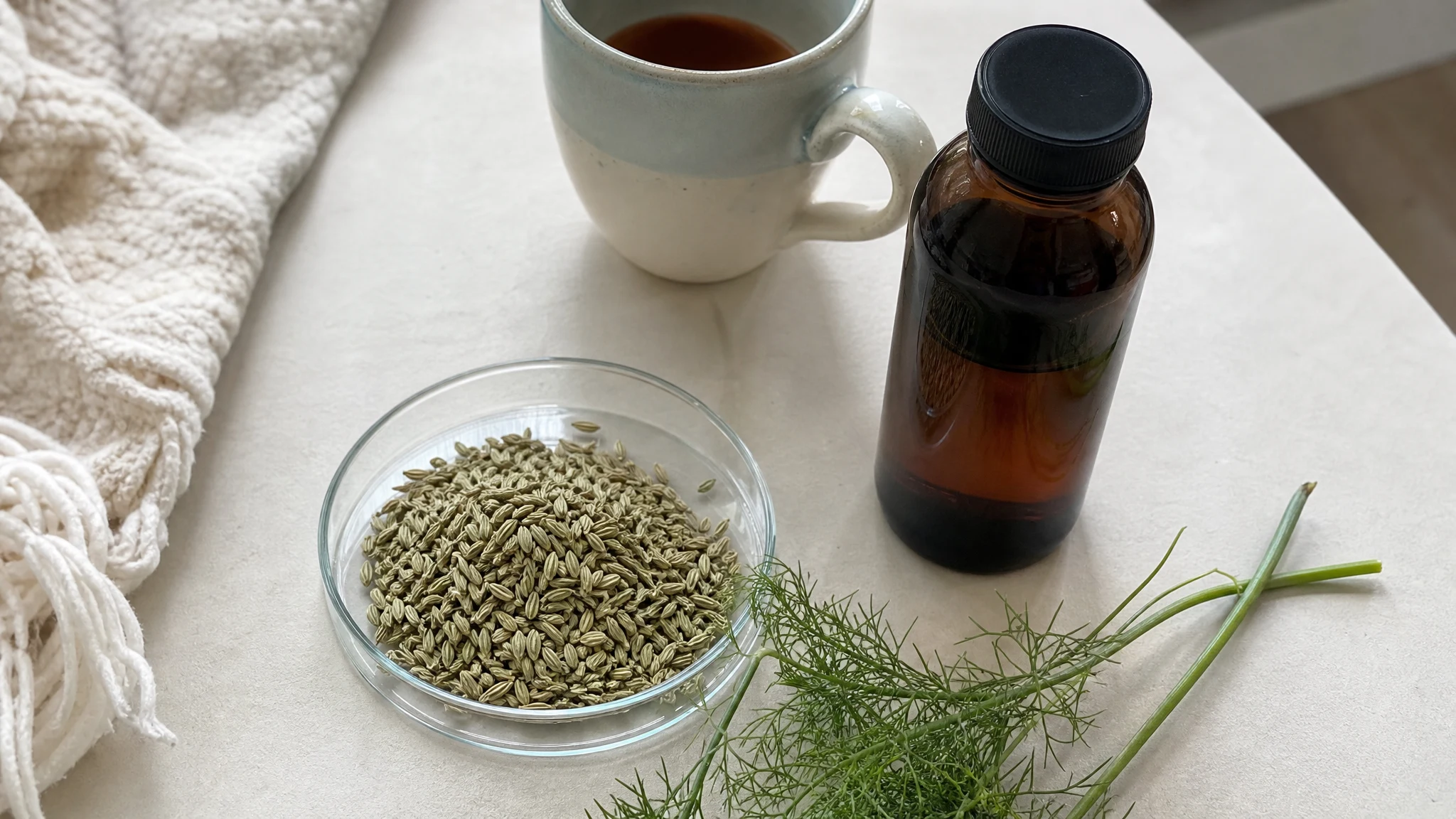
5 Fennel Oil Myths and What the Evidence Says
Fennel oil collects folklore the way a windowsill collects dust. Some of it is harmless, and some of it can send a buyer in the wrong direction. Here are five beliefs we hear most, with what the documents actually say.
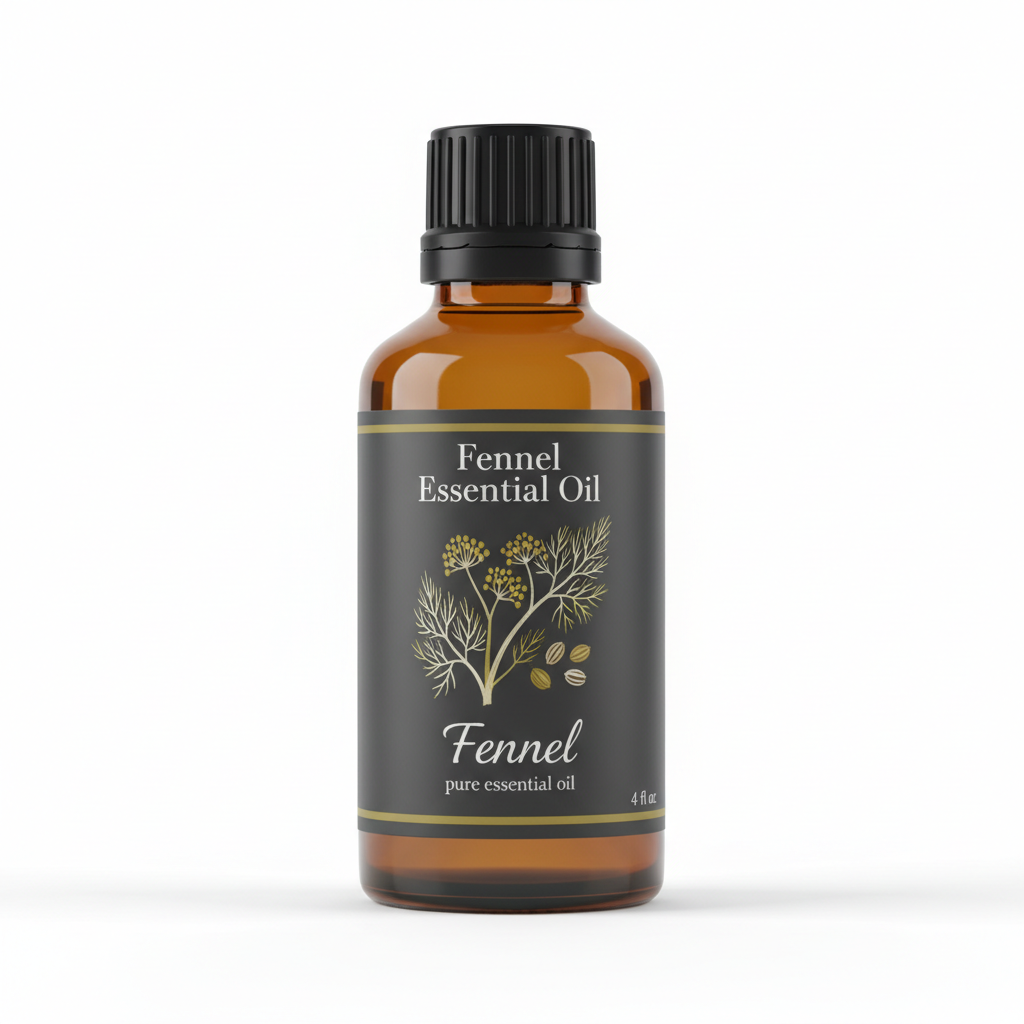
Fennel Essential Oil
Our own Fennel Essential Oil, in sizes from 0.5 oz to bulk.
From $13.99
Shop Now →We like a good story as much as anyone, and plenty of these myths began life as perfectly reasonable ideas. They just got repeated until nobody remembered where they came from.
"It is fennel tea in a bottle"
Not quite. The European Pharmacopoeia, as summarised by the EMA, asks sweet fennel fruit to yield at least 20 mL of essential oil per kilogram of dry fruit, and bitter fennel at least 40 mL (EMA/HMPC assessment report, 2024). Turn that round and one drop, about 0.05 mL by the usual 20-drops-per-mL convention, stands for the oil from at most about 2.5 g of seed. That is our arithmetic, but it shows the scale. A cup of tea is a spoonful of seed in water, and the bottle is the volatile fraction from far more. Safety information for one does not transfer to the other. See can you swallow fennel essential oil for why our bottle is not meant for internal use.
"Natural means gentle on skin"
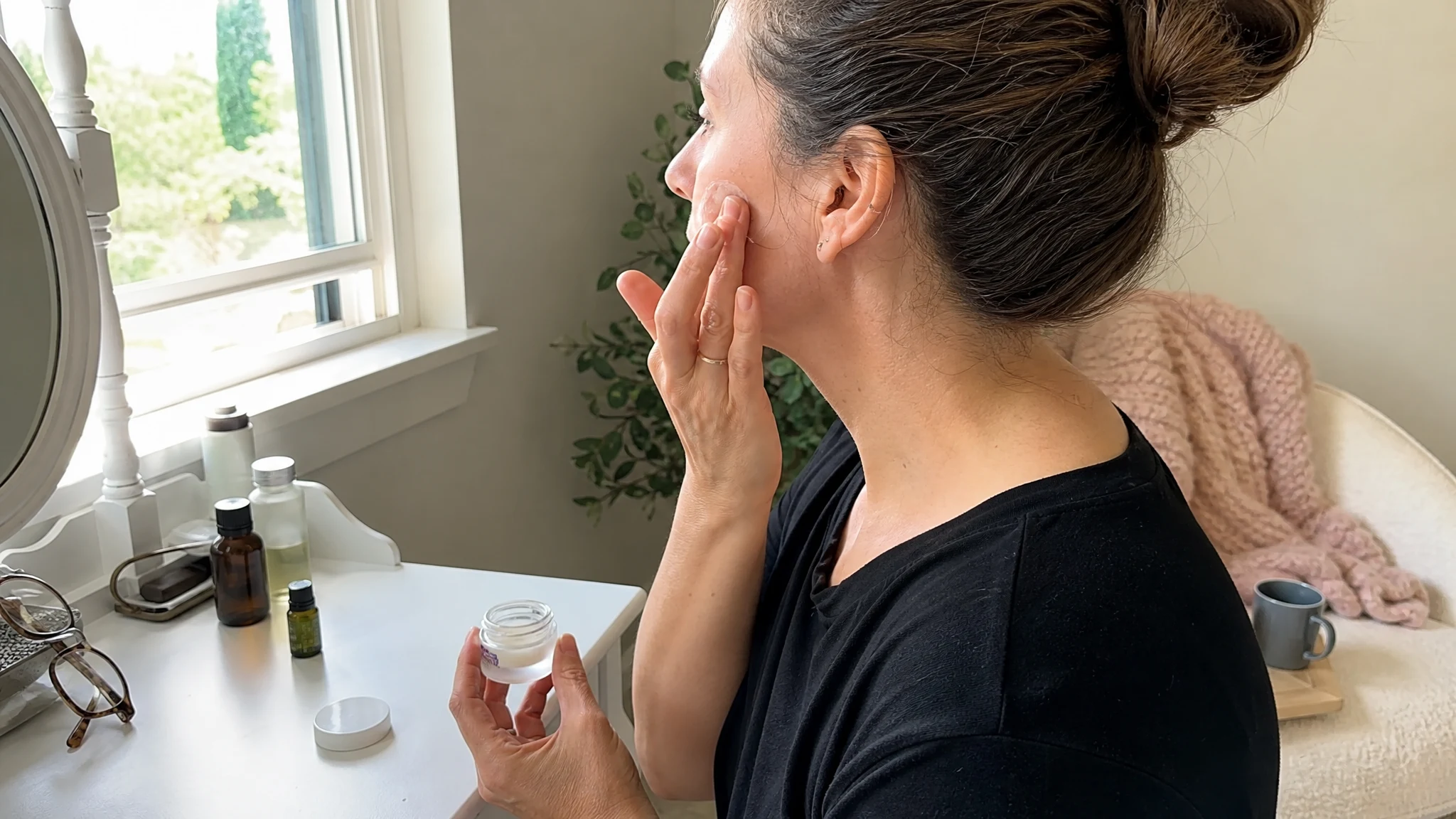
EFSA's 2023 opinions describe fennel oils as irritants to skin and eyes and as skin and respiratory sensitisers (EFSA FEEDAP Panel, 2023). They were written for animal feed, so they are not a skincare ruling, but they are a fair hint. That is why we recommend diluting to 0.5% to 2% in a carrier and patch testing, and why our skin basics guide exists. "Natural" tells you where an oil came from, not how skin responds.
"Sweet fennel always means low estragole"
Sweet fennel has a narrower specification than bitter in some documents, but the label does not fix the number. EFSA's sweet fennel specification allows 2.0 to 6.0% estragole, and the five batches it analysed fell between 3.60 and 4.10%. A 2024 authentication study found an average of 17.0% in five authentic distillates from Europe, Sicily and Tasmania, without naming the variety (Murphy et al., 2024). We describe our oil as sweet fennel, and if the estragole figure matters to you, ask us for the lot's report in writing through our contact page. The same goes for any seller. Our sweet versus bitter guide goes deeper.

"If the bottle says fennel, it is fennel"
Usually, but not always. Murphy and colleagues screened 30 commercial anise, star anise and fennel oils and flagged 8 as adulterated, three of them among 11 fennel oils. Two contained 43.2% triethyl citrate and 35.4% capryl palmitate, which are not fennel constituents. The paper was funded by Young Living, so it is worth reading with that in mind, though the chemistry can be checked. The practical lesson is that a label is not an analysis, and a report tied to a lot number is what counts. Our quality guide shows what to look for.
"Essential oil is a defined grade"
It is not. The FDA says there is no regulatory definition of "essential oils", that fragrance can be listed generically on a label, and that aromatherapy products with a disease-related intended use are treated as drugs (FDA, Fragrances in Cosmetics). Terms like "medicinal grade" are marketing language, and we do not use them.
A sensible way to meet a new bottle
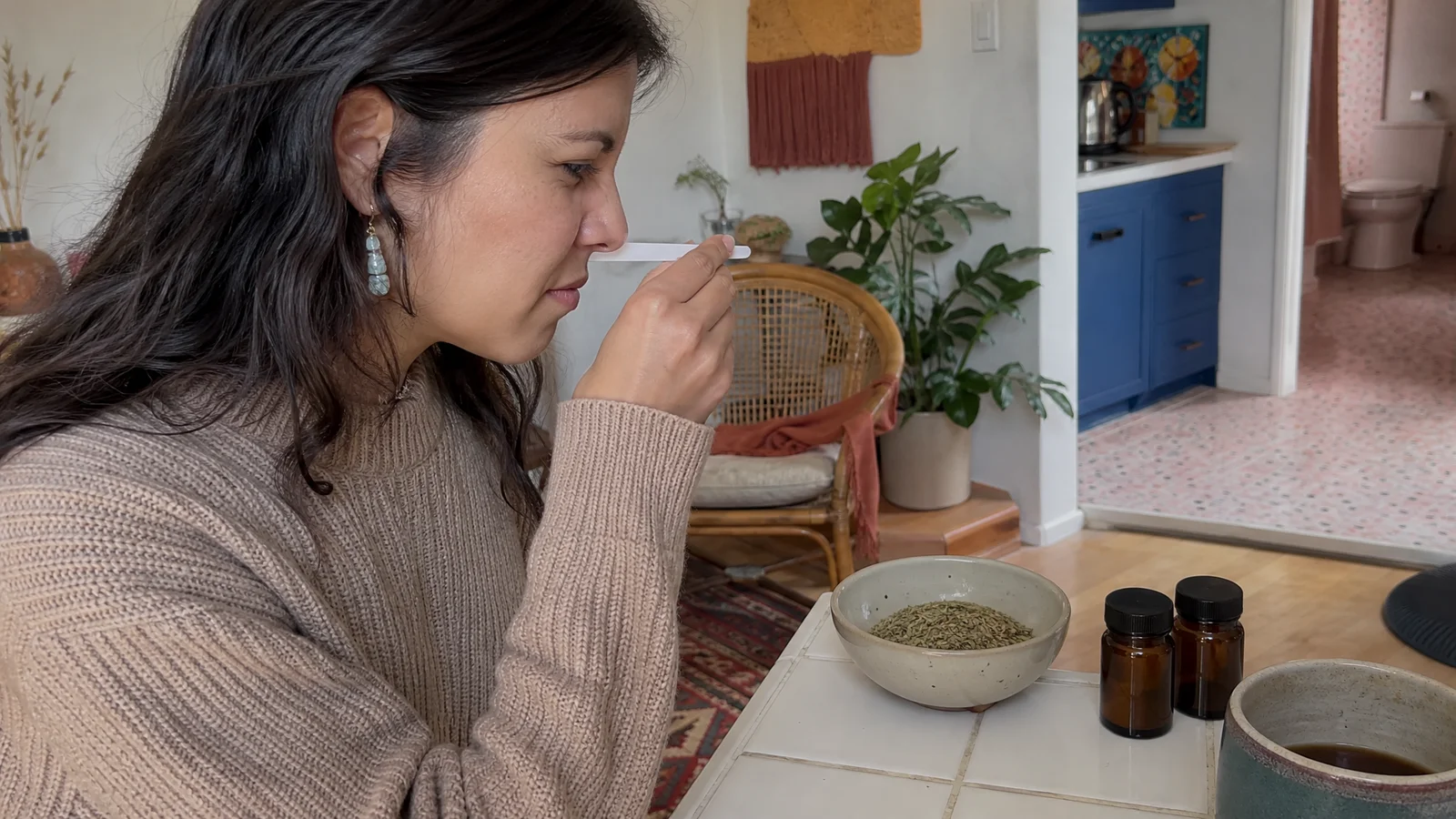
Whatever you have heard, the nicest way to get to know a fennel oil is the quiet one. Open the cap, hold the bottle a little way from your nose, and let the sweetness arrive. Put a drop on a paper strip and come back to it after a few minutes to see how it settles into something earthier. Write the date you opened it on the label so you can tell later whether it has changed.
Handle it the way you would any strong ingredient: cap it straight away, wipe the neck, and keep it where children and pets cannot reach. That habit matters more than any myth you could sort out.
Why these stories stick
Myths about a bottle of oil spread because they are short and friendly, while the truth is longer and has conditions attached. "Natural means gentle" fits in a sentence. "It depends on the dilution, the person and the lot" does not. When you catch yourself nodding along to a tidy claim, that is a good moment to pause and ask where it came from.

We would rather give you a slightly longer answer and a bottle you feel comfortable with. The more you know about what is in your hands, the more you can enjoy it.
What we would do with all this
Treat the bottle as a lovely aromatic material with a short list of cautions. Ask for the lot's report. Start with low dilutions, and keep it from children and pets. We recommend avoiding it entirely in pregnancy and breastfeeding. It carries a sweet, anise-like aroma that settles into earthy, peppery layers, and that is what we sell it for. Our fennel versus anise comparison shows how closely related the scents are.
If a claim sounds too good, a quick look at who wrote the source usually sorts it out.
Fennel Essential Oil
Fennel Essential Oil from our own shop, in sizes from 0.5 oz to bulk.
From $13.99
Shop Now →Sources & Further Reading
- EMA/HMPC assessment report on Foeniculum vulgare, fructus (EMA/HMPC/240553/2016, revision 1)
- EFSA FEEDAP Panel, 2023. Safety and efficacy of essential oils from Foeniculum vulgare
- Murphy BJ et al., 2024. Authentication of fennel, star anise, and anise essential oils by GC/MS and GC/IRMS
- FDA. Fragrances in Cosmetics