Buying Fennel Oil: Questions to Ask Every Seller
Ask ten people what makes a good fennel oil and you will get ten answers, because the right answer depends on what the bottle is for. Someone scenting a room wants a clean, sweet aroma. A soap maker wants to know what is in the oil, down to the decimal. We think the smartest way to shop is to start from the use and work backwards to the paperwork.
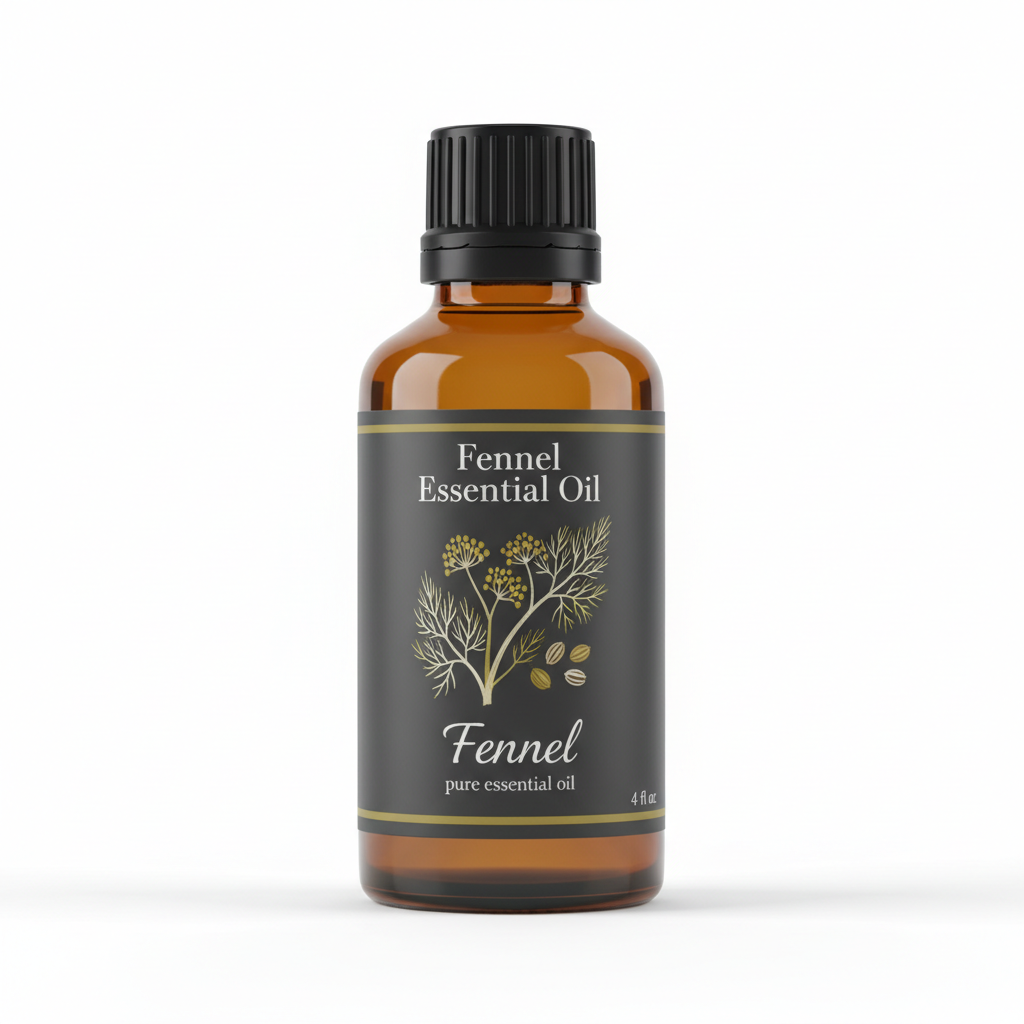
Fennel Essential Oil
Our own Fennel Essential Oil, in sizes from 0.5 oz to bulk.
From $13.99
Shop Now →Start with what you are making
For a diffuser, your nose is the main instrument. A sweet, anise-like opening that settles into something earthy and peppery is what we would expect from sweet fennel, and a flat or chemical smell is a reason to ask questions. Add a best-by date and a label that names the plant, the part and the process, and you have most of what a scent project needs.
Soap, bath products, body oils and candles are different, because fragrance standards limit estragole, a minor component of fennel oil, by product category. To use those limits you need the estragole figure for your lot, which means a lot report. For anything you plan to sell, add a safety data sheet and the current IFRA statement. For resellers and private label buyers, the key is a report that matches the lot number on the container you receive.
One small thing from us as people who love these oils: do not feel shy about asking. A seller who loves what they sell enjoys these questions, and the answers are the most reliable shopping tool you will ever have.
What each kind of document can tell you
A label is a claim. The FDA notes there is no regulatory definition of "essential oil" in US cosmetics law (FDA, Fragrances in Cosmetics), so the words on the bottle only go so far. A certificate that lists density and refractive index describes the liquid as a whole. That is useful for catching gross problems, though a blend can sit inside a density band. A GC/MS report names the compounds and their proportions, and it is the document that catches the more serious cases. In a 2024 study of commercial anise, star anise and fennel oils, 3 of 11 fennel oils were flagged, one carrying 43.2% triethyl citrate and another 35.4% capryl palmitate (Murphy et al., Plants, 2024). A third needed isotope testing to be spotted at all. If that topic interests you, we go through it in how to spot pure fennel oil before you pay.
Our own certificate, as a worked example
We publish a certificate of analysis for one batch of our fennel oil. It gives the botanical name (Foeniculum vulgare), seed as the part used, steam distillation as the extraction, a best-by date of 06/15/2028, a relative density of 0.975 and a refractive index of 1.546, both inside the stated standards, and notes that appearance and smell comply. It is a snapshot of one batch, so we treat it as a physical description of that batch and not as a composition report.
We describe our oil as sweet fennel. If the variety, the anethole figure or the estragole figure matters for what you are making, ask us in writing through the contact page before you order, and read what comes back before you rely on it. We would encourage you to ask every seller the same thing.
What a good lot report looks like
Published ranges give you something to hold a report up against. For sweet fennel oil, EFSA's 2023 specification is 60 to 82% anethole and 2 to 6% estragole, and the five batches it analysed averaged 77.7% anethole and 3.76% estragole (EFSA FEEDAP Panel, 2023). A report inside those ranges tells you the lot is plausible. It does not tell you the variety on its own, since bitter fennel specifications overlap (more on that in sweet vs bitter fennel oil).
Look for a real estragole number rather than "trace", a fenchone figure, and a lot number that matches the container. In the 2024 study, fenchone was missing from the sample judged to be extended with another anethole source, so it is a useful line to find. For help reading the table itself, see reading a fennel oil label and GC-MS report.
Let your nose do the first check
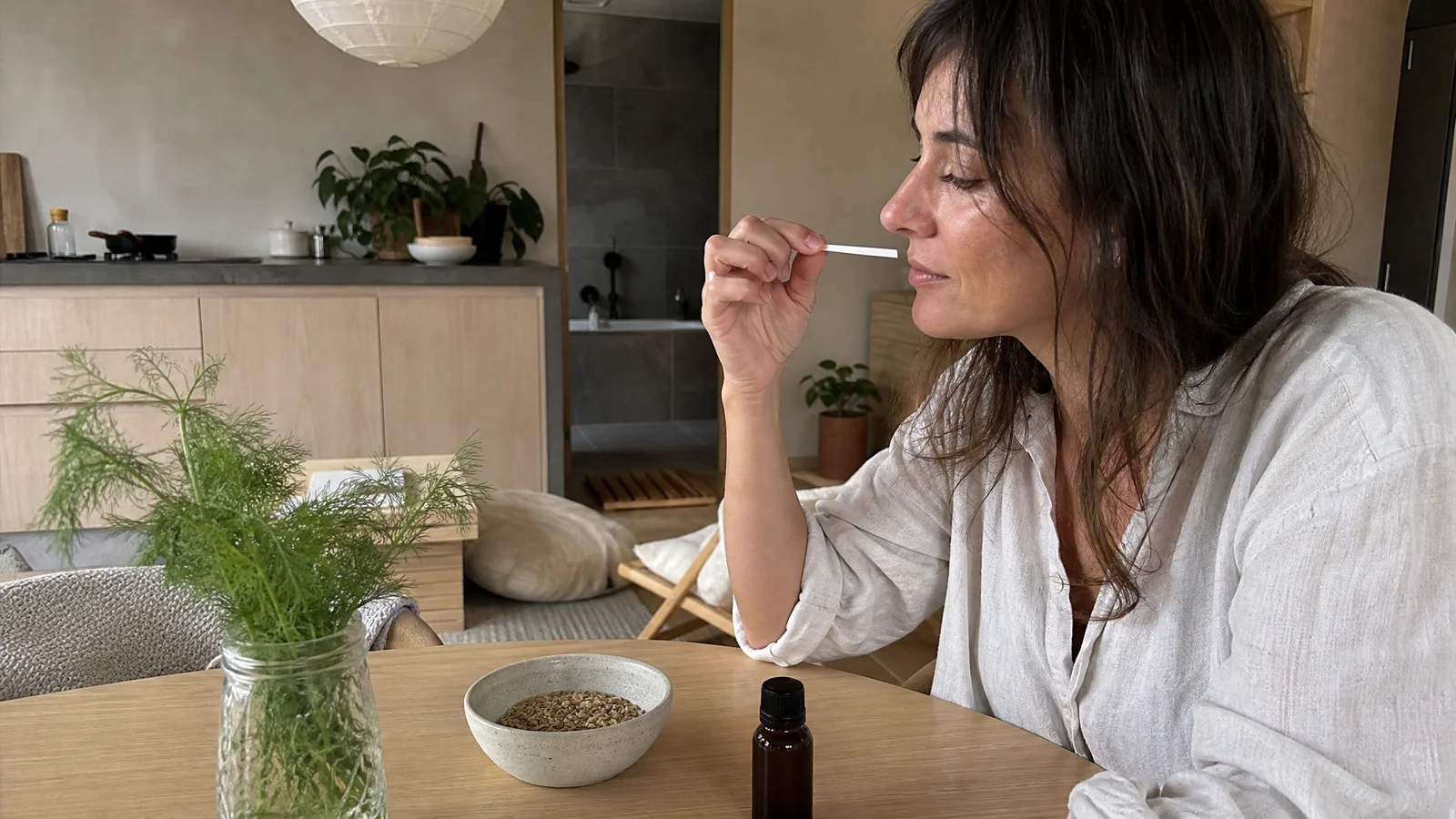
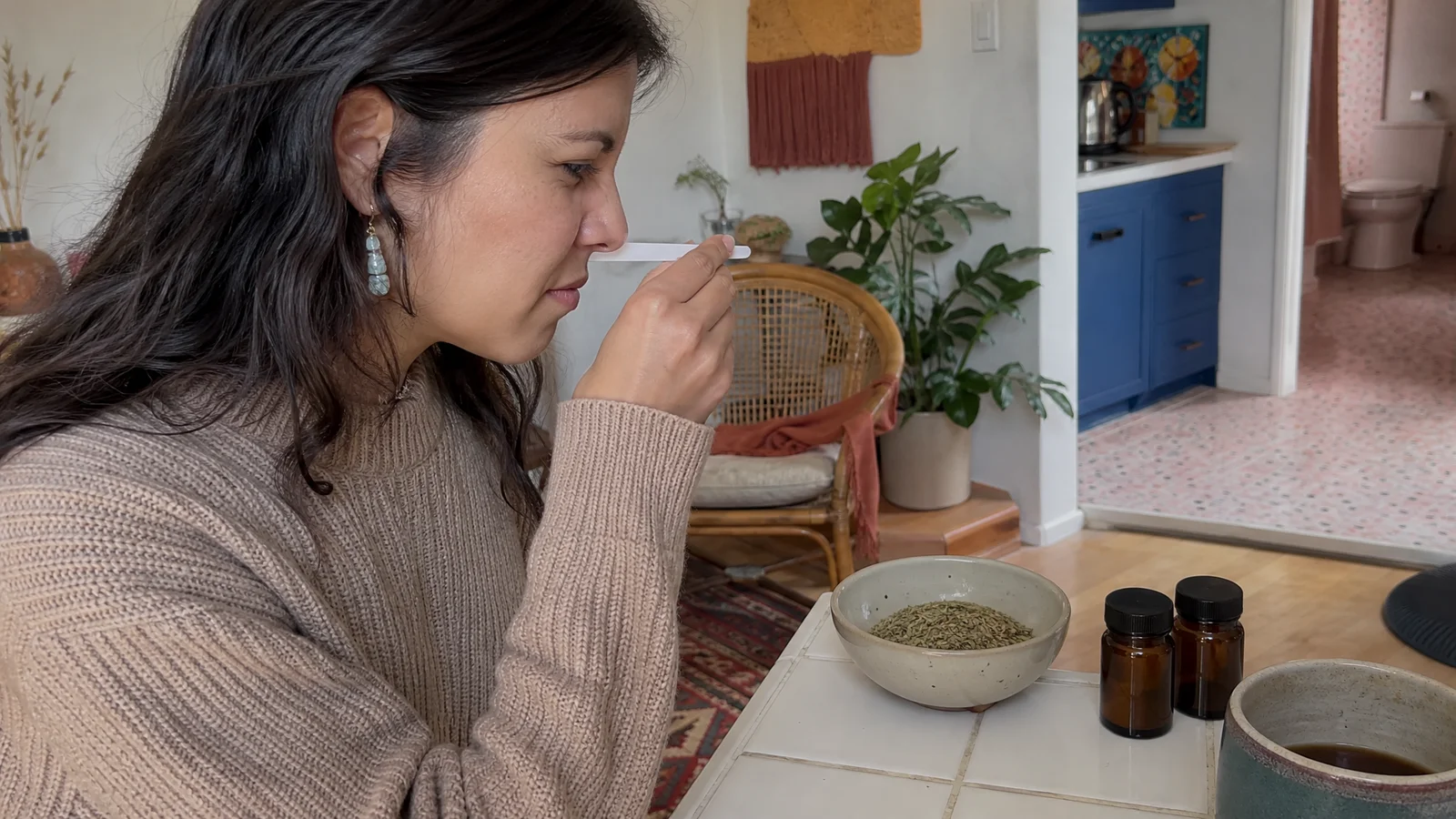
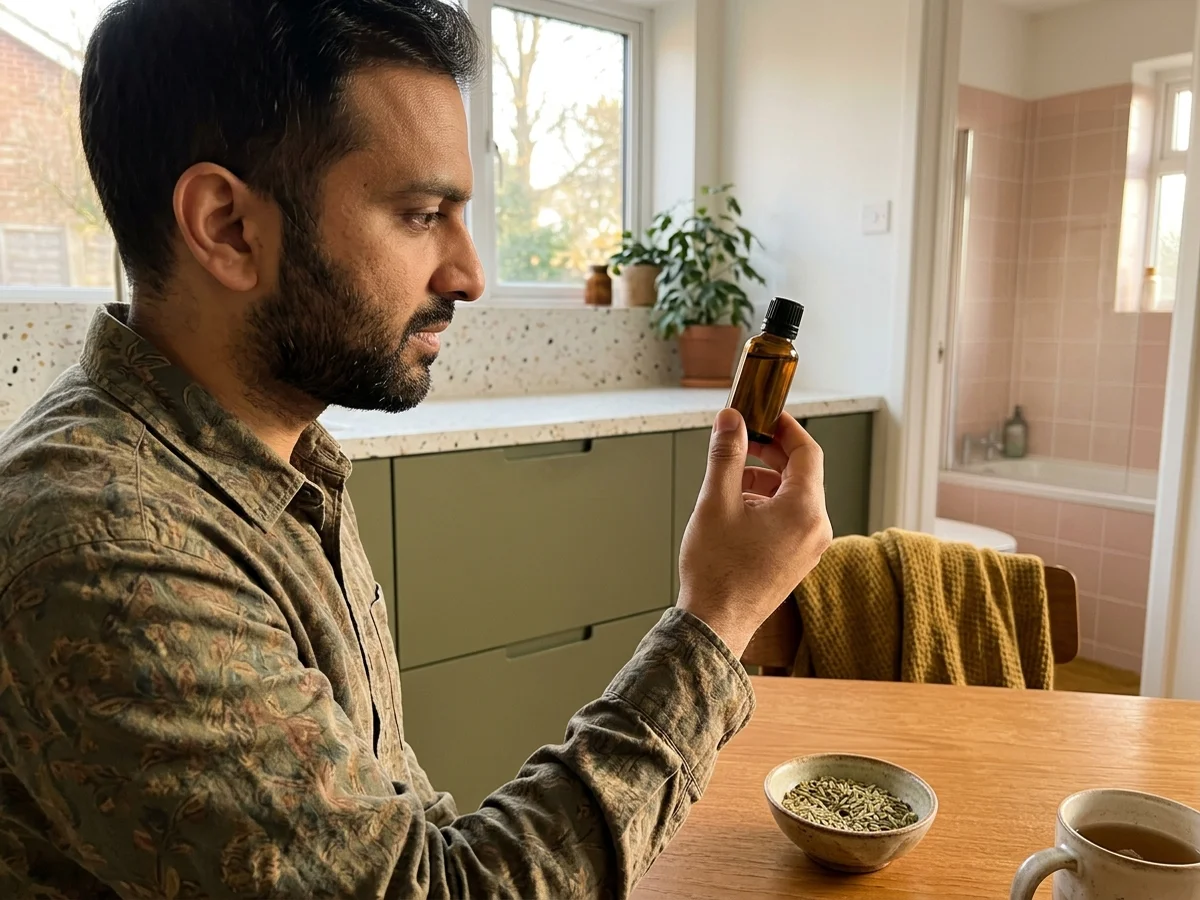
Documents tell you what a lab measured, and your nose tells you whether you like what arrived. Open the bottle slowly, with the cap held away from your face, and take one gentle sniff. A good sweet fennel opens with sweetness and a cool, clean brightness, then turns herbal. Give it a few minutes on a paper strip and watch it change. Write down what you notice with the date, because next year you will not remember it as well as you think.
A short routine before you order
- Decide the use, and so which worry matters most.
- Check the label for the botanical name, the part and the process.
- Ask in writing for the variety and the anethole, estragole and fenchone figures for the lot you will receive.
- Ask for the best-by date and lot number, and check both when the bottle arrives.
- Start with a small size and keep the report with the bottle.
Storage matters for the oil you buy, too: we recommend a tightly capped bottle in a cool, dim place, and you will find the details in how to store fennel oil. For larger quantities, our wholesale page describes how we handle samples and consultations.
A seller who is happy to answer step three has already told you something good. One who goes quiet has told you something else.
Fennel Essential Oil
Fennel Essential Oil from our own shop, in sizes from 0.5 oz to bulk.
From $13.99
Shop Now →