Fennel Oil Lab Report: How to Read It Before You Order
A fennel oil listing hands you two kinds of evidence. The label is a set of claims. The lab report is a set of measurements, but only of one sample on one day. Neither tells you much on its own, and a report only becomes useful once you know what it was measured against. Here is how we read one, in the order we would, so you can do the same before you spend money on a large bottle.
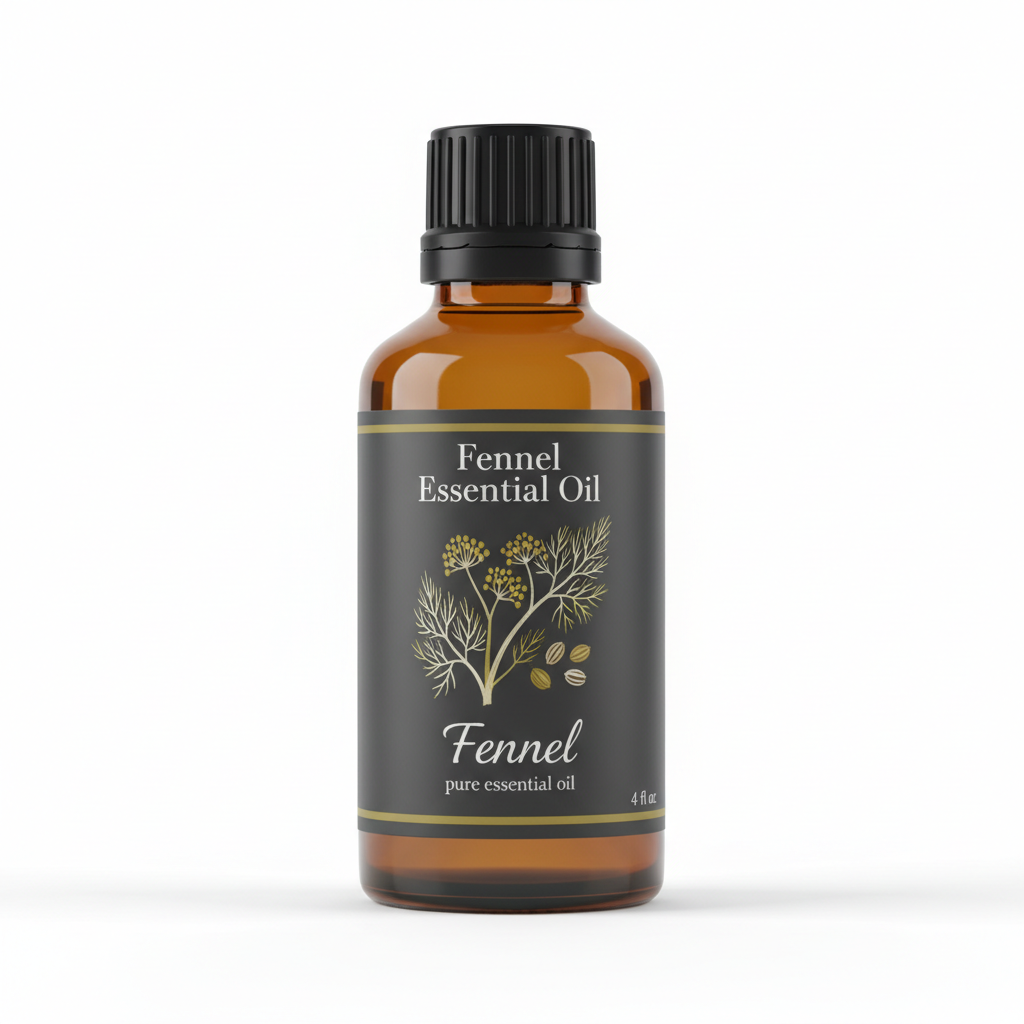
Fennel Essential Oil
Our own Fennel Essential Oil, in sizes from 0.5 oz to bulk.
From $13.99
Shop Now →Start with what the label can and cannot say
Words like "pure", "premium" and "therapeutic" are the seller's opinion. The FDA notes that there is no regulatory definition of "essential oil", so those words cannot be checked against anything. What you can check is plain and factual: the botanical name (Foeniculum vulgare), the plant part, the method, and a lot number and date that tie a report to the bottle in your hand.
The plant part deserves a second look. Researchers who distilled fennel herb at eight different run times found trans-anethole, the compound behind fennel's sweet licorice character, anywhere from about a third to a little under 60 percent of the oil, depending on how long the still ran. They also point out that most commercial fennel oil comes from the herb rather than the seed, and that the two differ. So "seed, steam-distilled" on a label is real information. That is how we describe the oil we sell, and you can read how it is made in our steam-distilling walkthrough.
Then read the method line before any percentage
Before you look at a single number, find the lab, the date, the lot and the method. The same oil can read differently depending on how it was measured. In the European Food Safety Authority's review of sweet fennel oil, five batches gave almost identical anethole by two methods, 77.7 and 78.0 percent, but estragole came out at 3.76 percent by one and 4.42 percent by the other. If you are working to an estragole limit, that gap matters, which is why a report that names its method is worth more than one that does not.
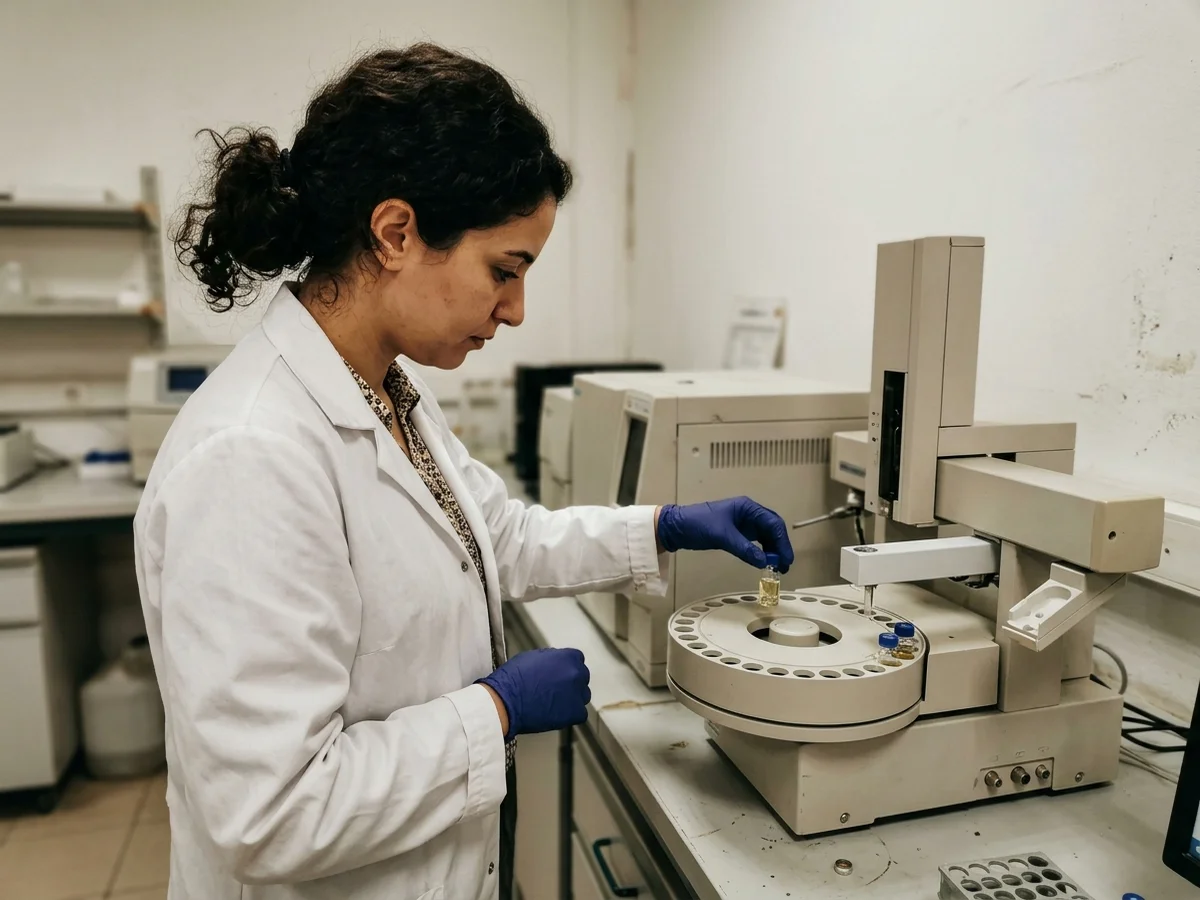
Percentages on a gas chromatography report are shares of the detector's signal, not grams per hundred grams. That is our reading of the unit, not something the papers spell out, but it explains why two labs can disagree by a little without either being wrong.
Ask "which standard?"
Almost every report ends with "complies". The useful follow-up is: with what? Fennel has several yardsticks. The French standard NF T75-257 for sweet fennel asks for anethole of 60 to 80 percent and fenchone of 8 to 20 percent. EFSA's specification for sweet fennel oil uses 60 to 82 percent anethole and allows fenchone from 1 to 20 percent. The five EFSA batches averaged 5.26 percent fenchone, which sits inside one range and just under the other. Nothing is wrong with the oil there. It simply shows that "within standard" is half a sentence until someone names the standard.
Fenchone is also a handy sanity check. In a 2024 authenticity study, one commercial fennel oil with no fenchone at all turned out to be 35.4 percent capryl palmitate, a carrier. A missing marker is worth a question. A slightly low one is not a verdict.
Some things need a second kind of test
Gas chromatography with mass spectrometry is the workhorse, and it is very good at what it does. A few questions simply need other tools. In that same 2024 study, one fennel oil showed every expected compound and was flagged only because its carbon isotope ratio looked like synthetic anethole, which is a separate analysis. A report that lists only the top four compounds can also leave a large share of a bottle unaccounted for, so it is worth asking for the full peak table. And a report describes the sample that went to the lab. Another lot is another sample.
Keep a simple file
Once a report arrives, keep it where you will find it again. A folder with the report, the lot number written on a sticky note, and the date the bottle arrived takes five minutes to set up and saves a lot of head scratching later. If you ever reorder, you can lay the old report beside the new one and see at a glance whether the lot changed.
Let your nose have a say, too
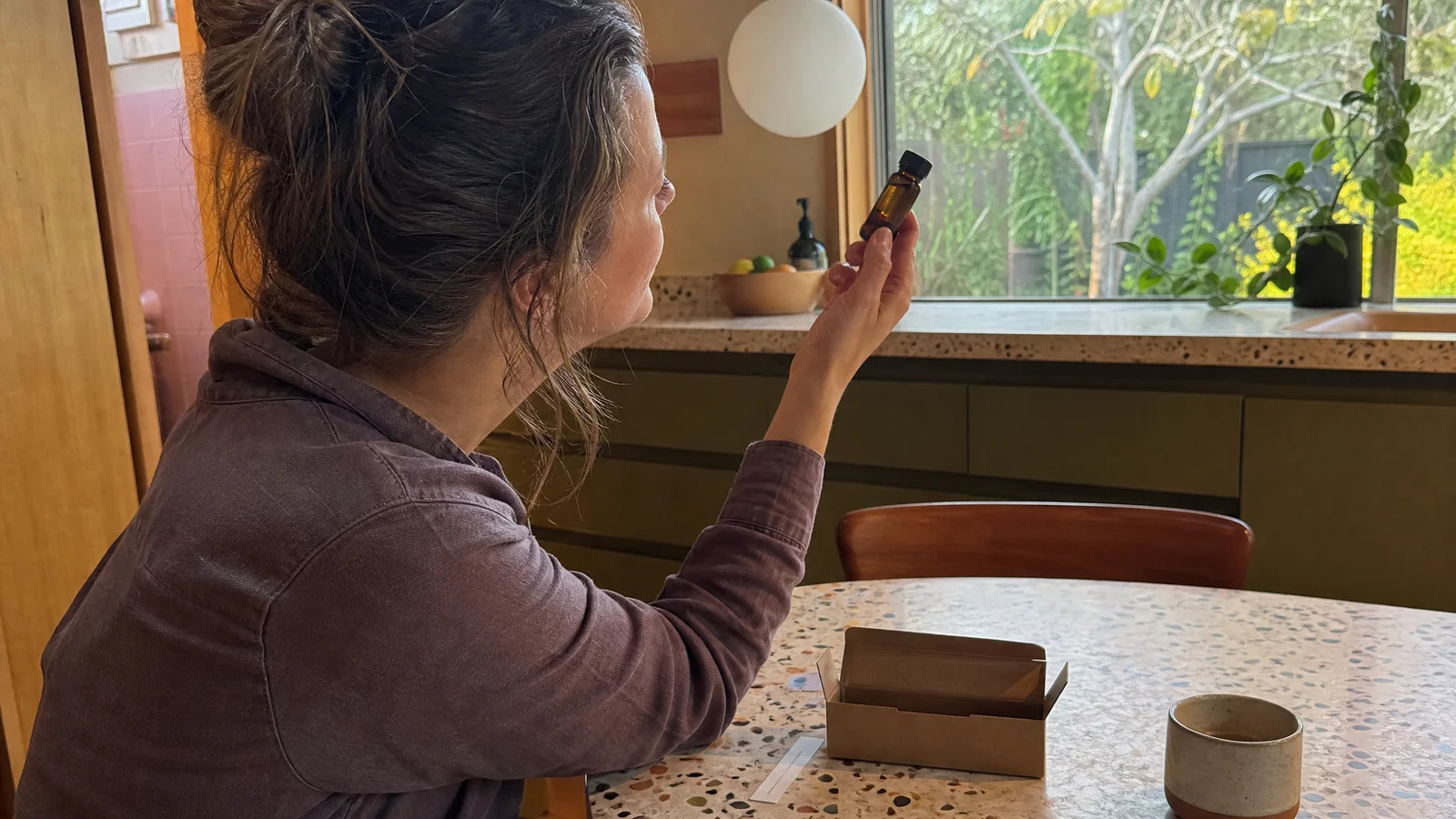
Paperwork is half the picture. When the bottle arrives, put a drop on a paper strip and let it open: sweet and licorice-like first, then earthy and a little peppery. If something smells flat, sour or oddly chemical, trust that feeling and write to the seller. A report and a nose working together catch more than either one alone.
What we can send you
The Certificate of Analysis we publish for one batch (FENCSAFVUSC004A) lists appearance, smell, relative density of 0.975 and refractive index of 1.546, each against a stated standard. Our shop describes the oil as sweet fennel. If you need a GC-MS report with anethole and estragole for your own lot, or want the variety confirmed, ask us in writing through the contact page before ordering, and apply the questions above to whatever comes back. Our buying quality guide goes through a certificate line by line, and the sweet versus bitter guide explains why variety matters. If you are planning anything for skin, our skin basics page shows why the estragole figure is the one to ask for.
A good report is a conversation starter. The best question to bring to any seller is simply: which lot is this, and what was it measured against?
Fennel Essential Oil
Fennel Essential Oil from our own shop, in sizes from 0.5 oz to bulk.
From $13.99
Shop Now →Sources & Further Reading
- FDA. Fragrances in Cosmetics
- EFSA FEEDAP Panel, 2023. Safety and efficacy of feed additives consisting of essential oils from the fruit and stems of Foeniculum vulgare Mill. ssp. vulgare: Bitter fennel oil for use in all animal species and sweet fennel oil for use in dogs and cats (FEFANA asbl)
- Murphy et al., 2024. Authentication of Fennel, Star Anise, and Anise Essential Oils by Gas Chromatography (GC/MS) and Stable Isotope Ratio (GC/IRMS) Analyses. Plants 13(2)
- Zheljazkov et al., 2013. Distillation Time Modifies Essential Oil Yield, Composition, and Antioxidant Capacity of Fennel (Foeniculum vulgare Mill). J Oleo Sci 62(9)