DIY Fennel Oil Inhaler: Simple Steps for a Pocket Scent
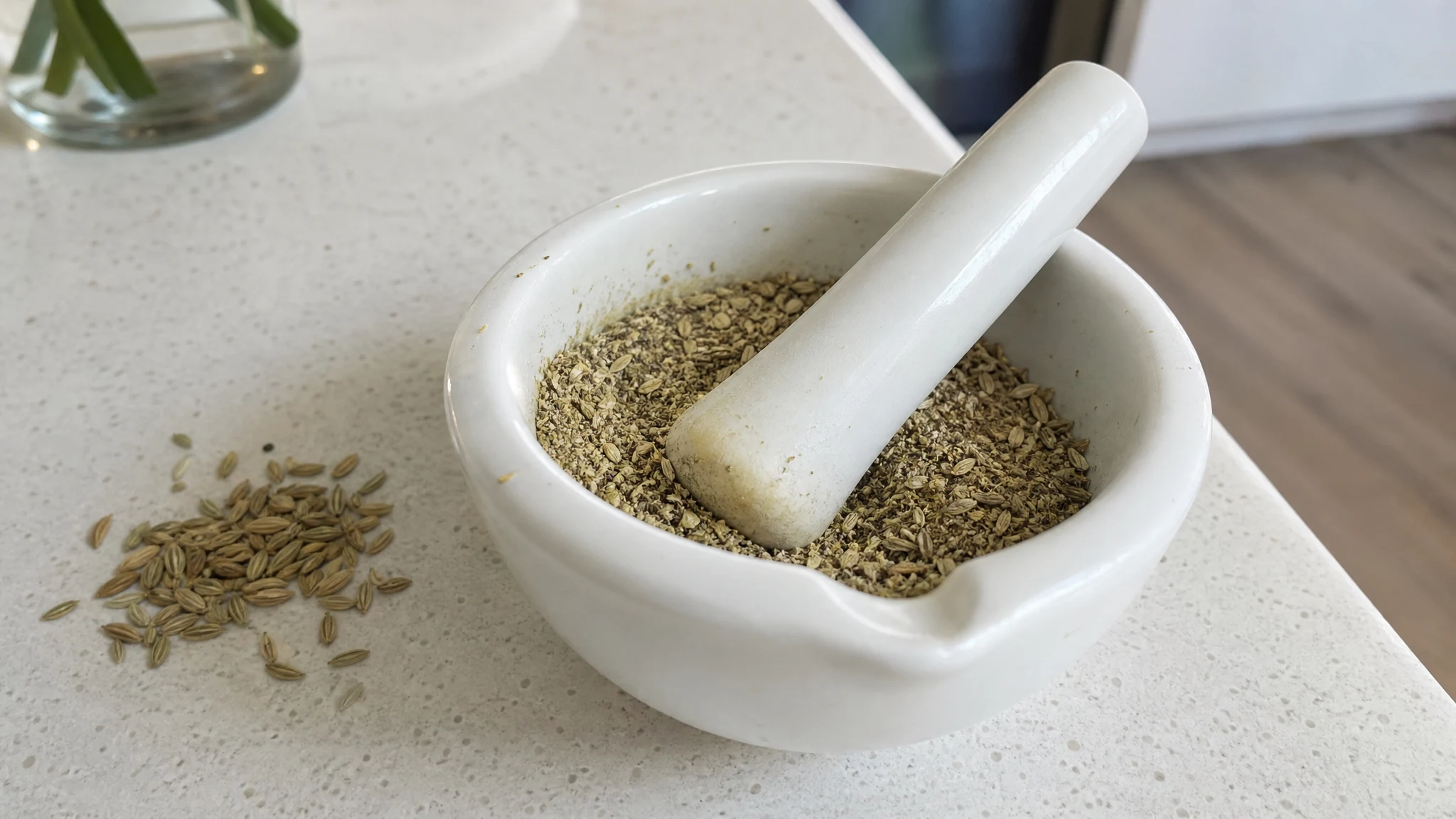
An inhaler stick is a tiny capped tube with a scented wick inside, small enough for a pocket and neat enough for a desk drawer. Fennel suits it well. Its sweet, licorice-like top note carries easily, and a couple of drops go a long way. Think of it as a portable bit of fragrance rather than a remedy.
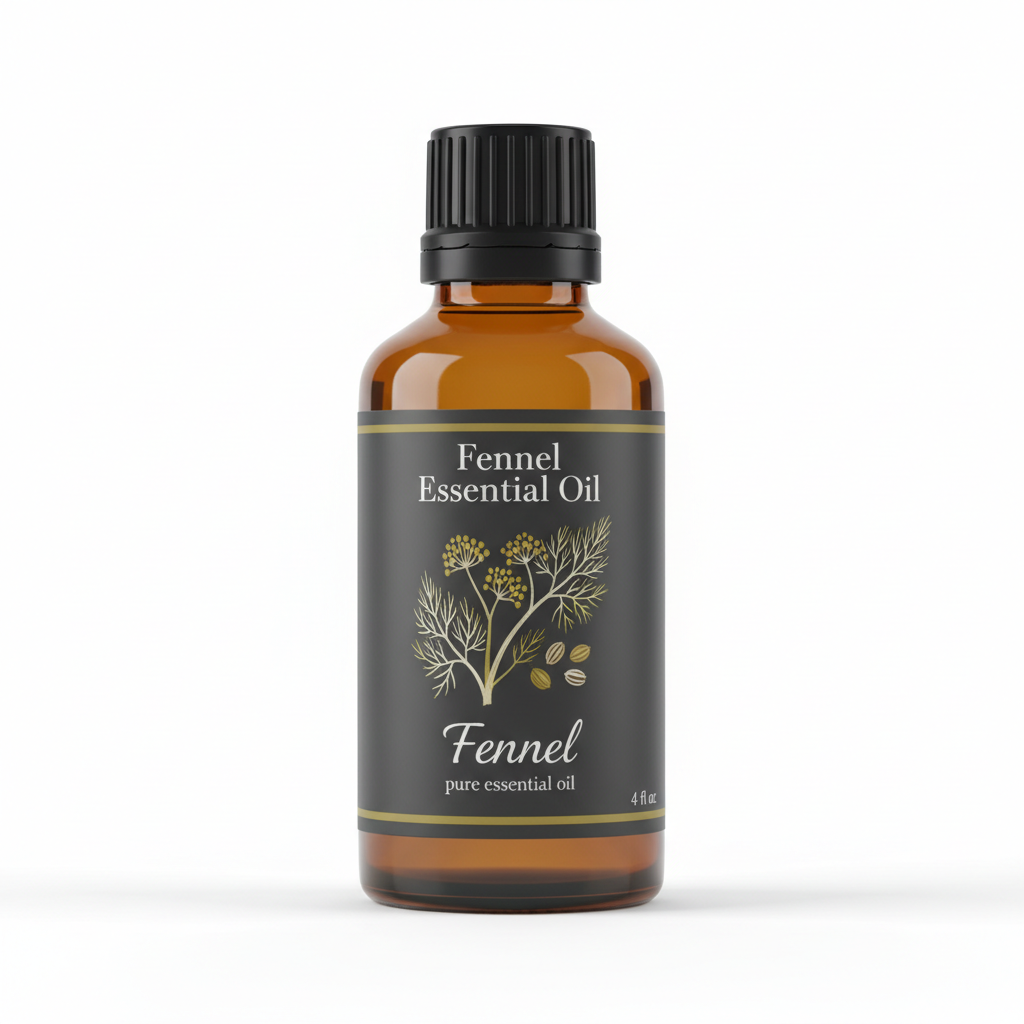
Fennel Essential Oil
Our own Fennel Essential Oil, in sizes from 0.5 oz to bulk.
From $13.99
Shop Now →Why an inhaler is a tidy way to use fennel
Children's Hospital of Philadelphia describes a personal inhaler as the simplest and safest way to use an essential oil, because the oil stays inside the tube where it cannot touch skin. That is a real plus with fennel, an oil we keep to low dilutions on skin. There is no carrier oil involved, so our skin dilution figures do not apply here, and they do not tell you anything about safety in an inhaler either. We would not describe it as a way to relieve anything. It is simply a way to enjoy the scent privately, and if you want other ways to do that, 18 everyday ideas for home has plenty.
What you need
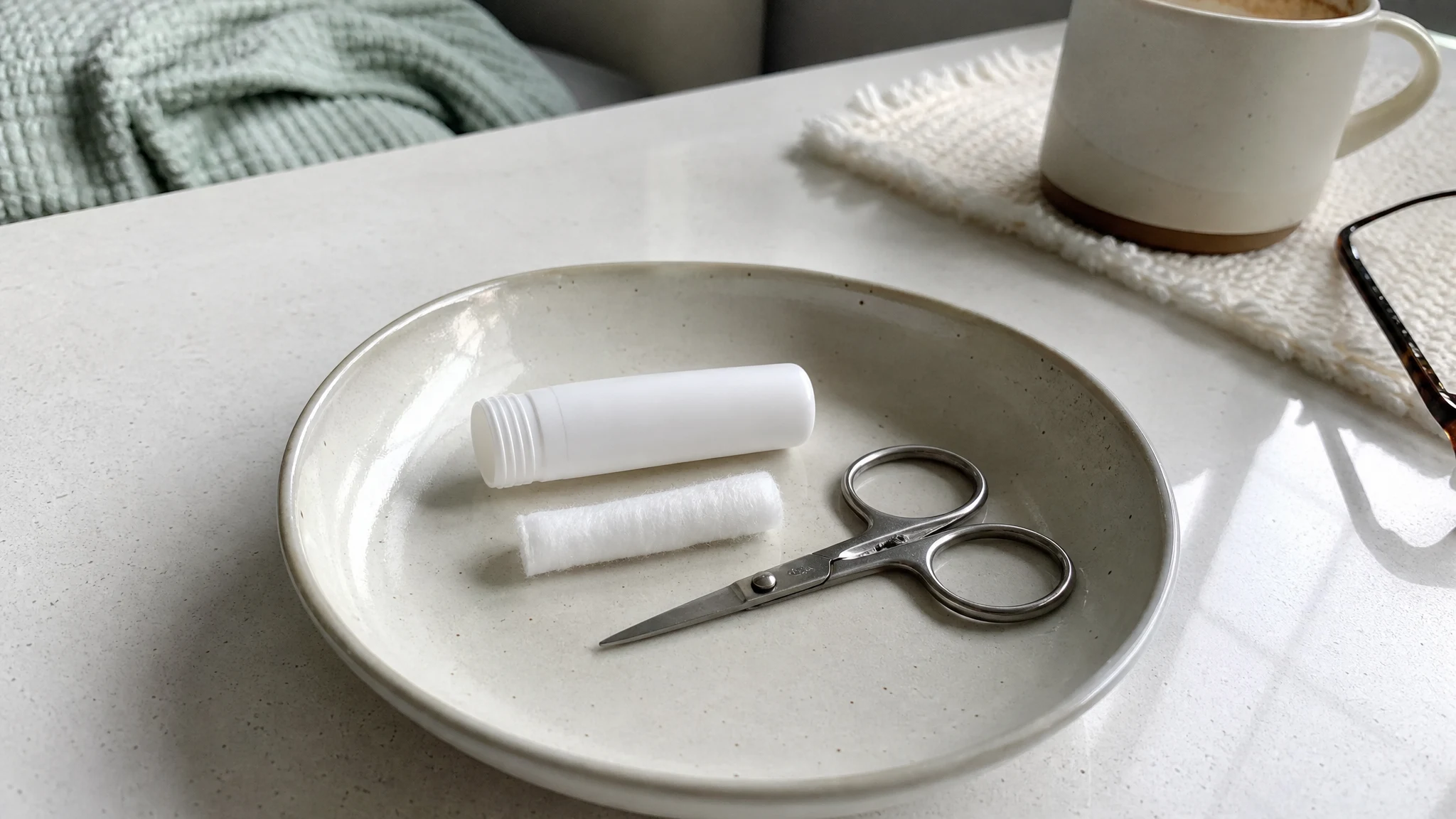
An empty inhaler tube with a cotton wick and inner cap, clean tweezers, a small plate, a label, and your fennel oil. We do not sell inhaler blanks, so any supplier of empty tubes will do.
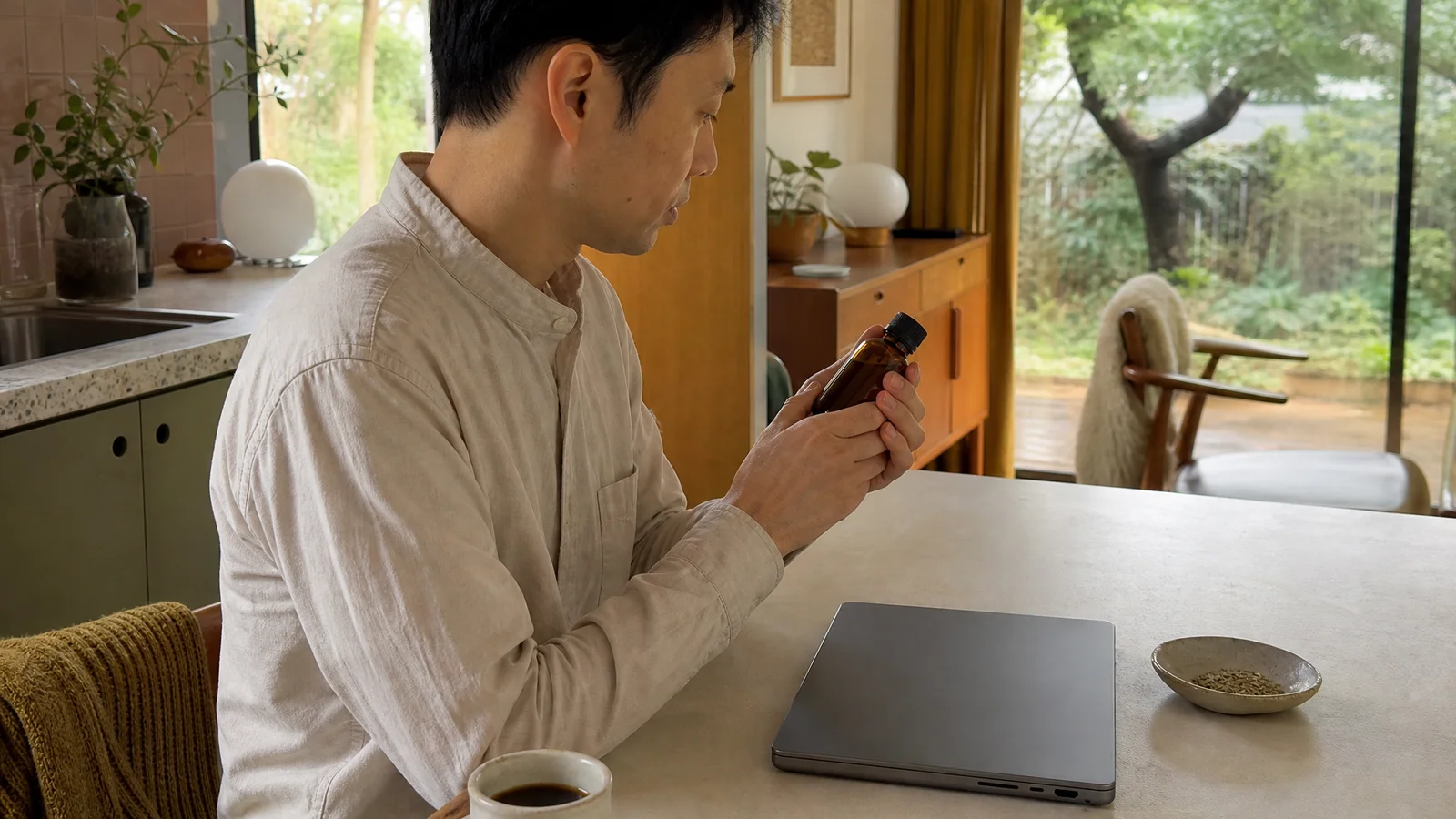
Before you start, clear a corner of the table and lay down a clean sheet of paper. Essential oil travels further than you expect, and a stray drop on a wooden surface can leave a ring. If you have never smelled your fennel oil on its own, spend a minute with it first: put one drop on a paper strip, wave it gently, and notice how it opens sweet and then turns earthy. Knowing what you are working with makes it much easier to judge how many drops the wick really needs.
Building it
- Wash and dry your hands first, since oil on your fingers ends up on the tube and then near your face.
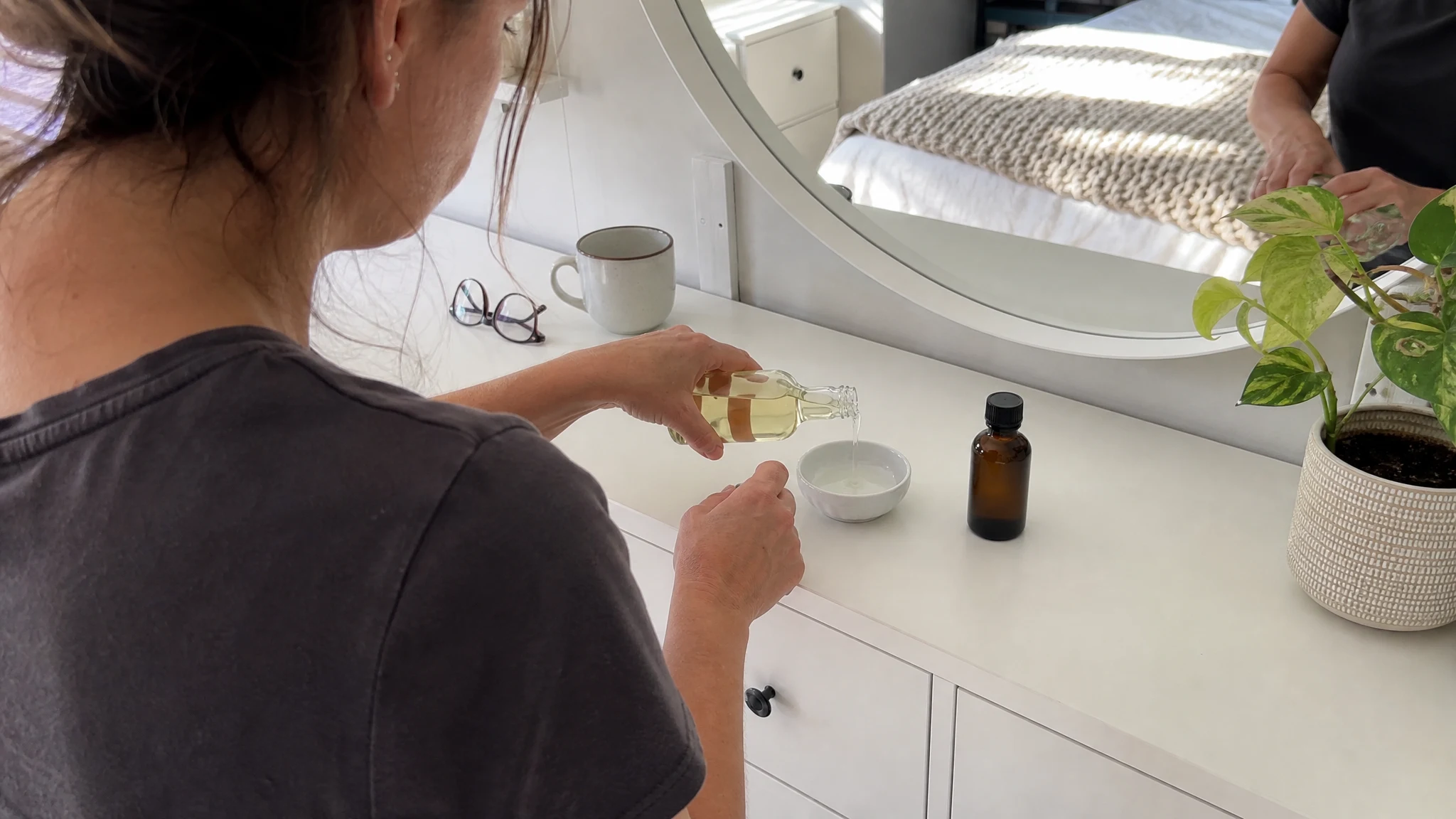
- Lay the wick on the plate and add the drops there. We suggest starting with two drops of fennel oil and adding a third only if you cannot smell it. That count is our own judgement for a strong, sweet oil, not a published standard, and a wick only holds a few drops before it is soaked through.
- Use the tweezers to slide the wick into the inner tube, then fit the inner cap and the outer cap firmly.
- Label it with the date and the oil, and add "personal use only".
- Keep it in its own small bag, away from heat and light, and out of reach of children and pets.
Small habits that make it nicer
Take a little care over the label, because a blank tube in a bag of pens looks like every other tube. A clear date and the word fennel in your own handwriting saves you from grabbing the wrong one in a hurry.
Think about where it will live. A tube left on a sunny dashboard or in a pocket beside a heat source will fade faster than one in a drawer, so give it a cool, shaded home. It is nice to keep it by your desk, where you will remember it exists, instead of at the bottom of a bag where it gets squashed and forgotten.
If the scent ever feels too sharp, that is not a failure of the method. Fennel is a strong, sweet oil, and the simplest fix is a fresh wick with one drop fewer. Small adjustments beat big ones.
For a blend, fennel pairs nicely with lavender, which is one of the partners we suggest for it. Scale any ratio from our diffuser blends down to a few drops in total.
Using it without overdoing it
Hold the open tube a short way below your nose, take a few slow breaths, then cap it. Keep the wick and the tube out of your mouth. CHOP notes that after about 20 minutes the brain stops registering a smell, which tempts people to add more oil. A scent you no longer notice has not disappeared, so if it fades, give it a rest rather than adding drops. A loaded wick is a different environment from a sealed bottle, so replace it when the scent changes or the wick looks discoloured.
It also helps to tie the habit to a moment, like the start of a work session or the walk to the mailbox, rather than reaching for it all day. A scent you meet a few times on purpose stays far more enjoyable than one you smell constantly.
Who should pass on this one
We advise avoiding fennel oil entirely in pregnancy and while breastfeeding, and it is not appropriate for children. Anyone with epilepsy or an oestrogen-sensitive condition should leave it alone too, and if you have asthma or other breathing problems, ask your doctor first, since EFSA classes fennel oil as a respiratory sensitiser. Keep the tube yours alone, and keep small parts away from little ones. If anything makes you cough, tighten your chest or gives you a headache, stop using it. For a child or a pet that has been exposed, call poison control (1-800-222-1222 in the US) or a veterinarian.
Made with a light hand, a fennel inhaler is a small, pleasant thing, and it is easy to refresh with a new wick whenever you like.
Fennel Essential Oil
Fennel Essential Oil from our own shop, in sizes from 0.5 oz to bulk.
From $13.99
Shop Now →Sources & Further Reading
- Children's Hospital of Philadelphia. Aromatherapy for children: what's safe and what's not. chop.edu
- EFSA FEEDAP Panel, 2023. Safety and efficacy of feed additives from Foeniculum vulgare (bitter and sweet fennel oil). PMC10613937
- America's Poison Centers. Essential oils. poison.org