Fennel Oil Uses: Best Fits From Candles to Body Oil
Fennel oil has an easy charm: sweet, herbal, instantly recognisable. That makes it tempting to add to everything, but some products are happier with it than others. The deciding factor is how much oil each kind of product can comfortably carry, so here is a tour from the roomiest uses to the most delicate.
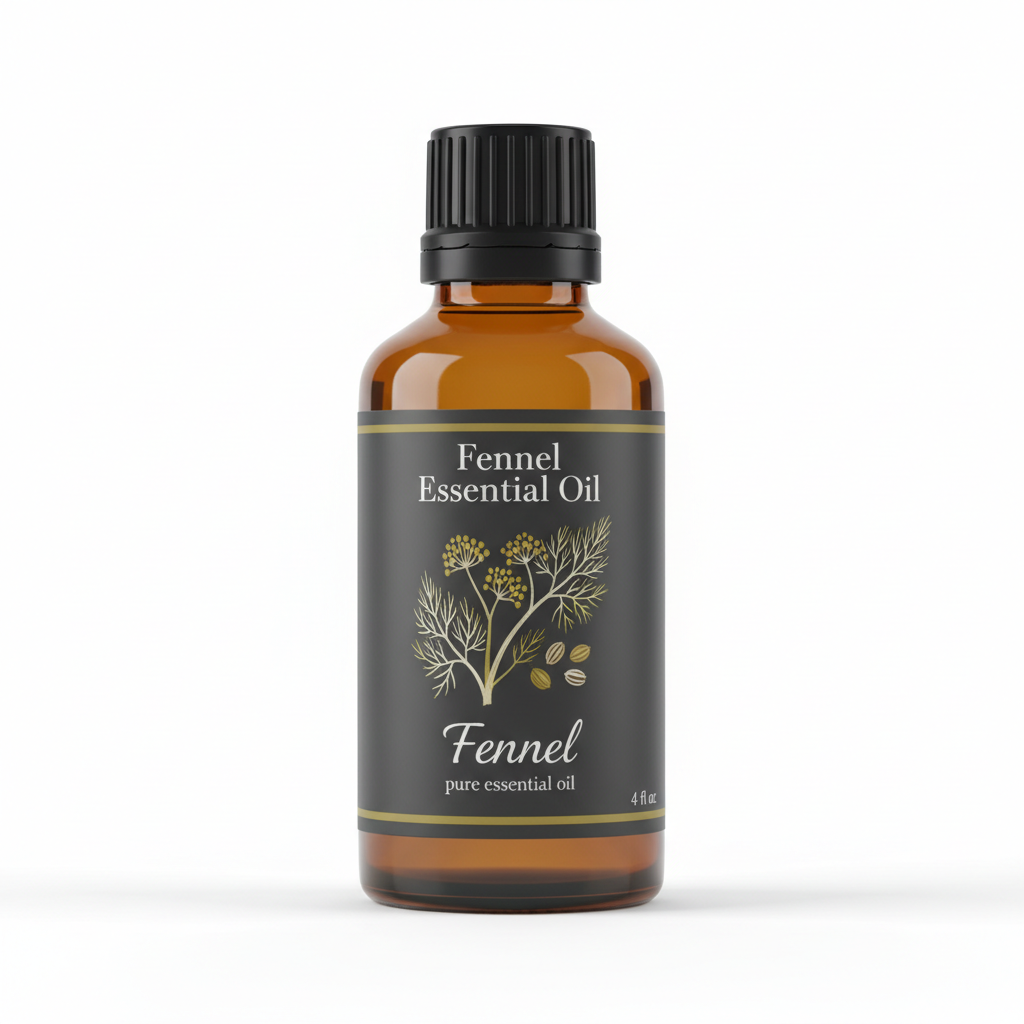
Fennel Essential Oil
Our own Fennel Essential Oil, in sizes from 0.5 oz to bulk.
From $13.99
Shop Now →How we sort them
The fragrance industry sets a limit on estragole, a minor component of fennel oil, for each product category. The limits run from very tight for leave-on face products to generous for candles (IFRA Standard: Estragole, Amendment 49, 2020). Divide a limit by the estragole share of the oil and you get the most fennel oil the product can hold. Sweet fennel oil is specified at 2 to 6 percent estragole (EFSA FEEDAP Panel, 2023), so as a reference we use the top of that range, 6 percent. Treat the numbers below as arithmetic from that assumption, not a clearance for any bottle, and later IFRA amendments may differ. The categories themselves come from IFRA's guidance (IFRA, 2019, guidance on product categories).
Roomy: candles and fine fragrance
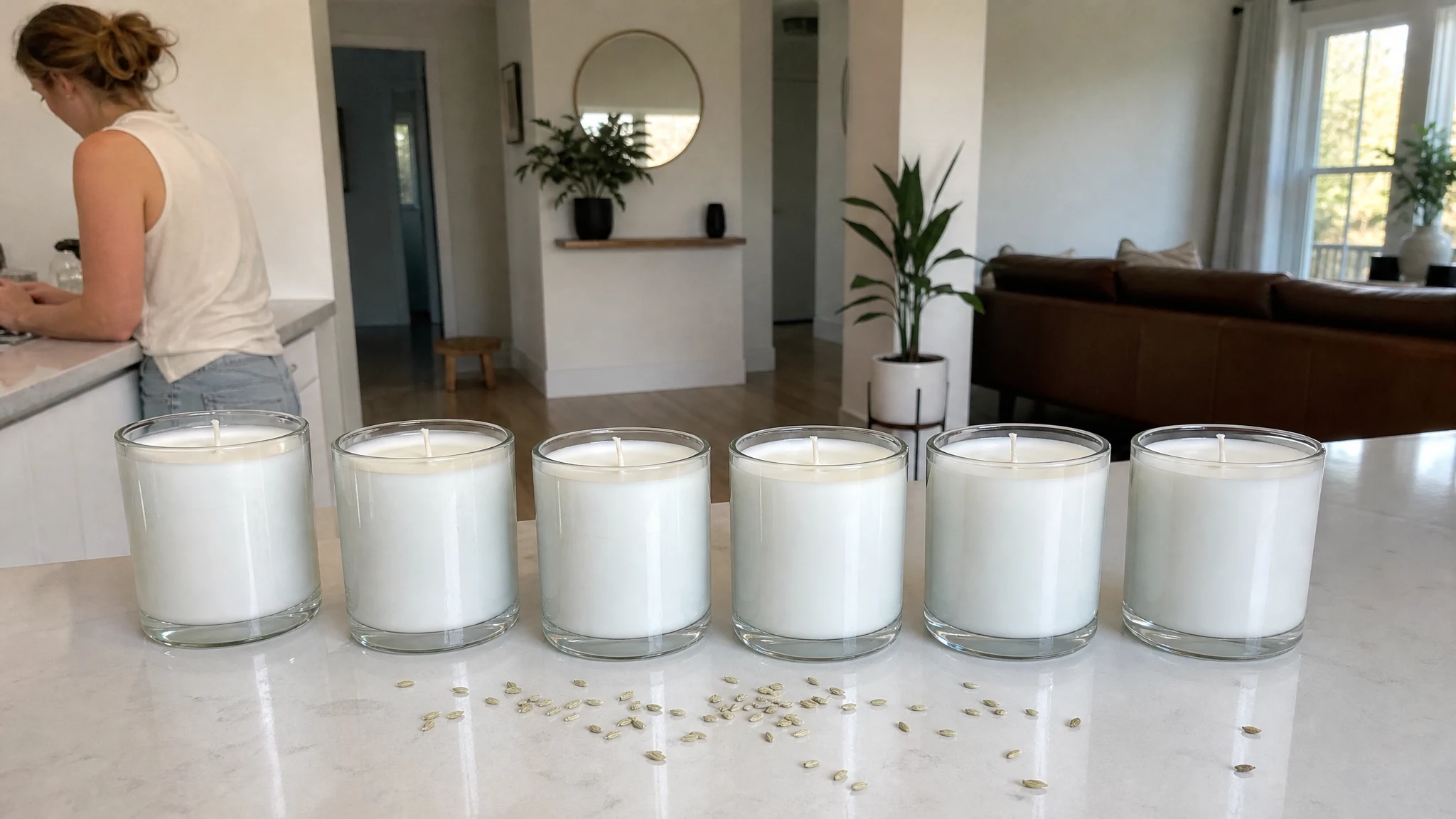
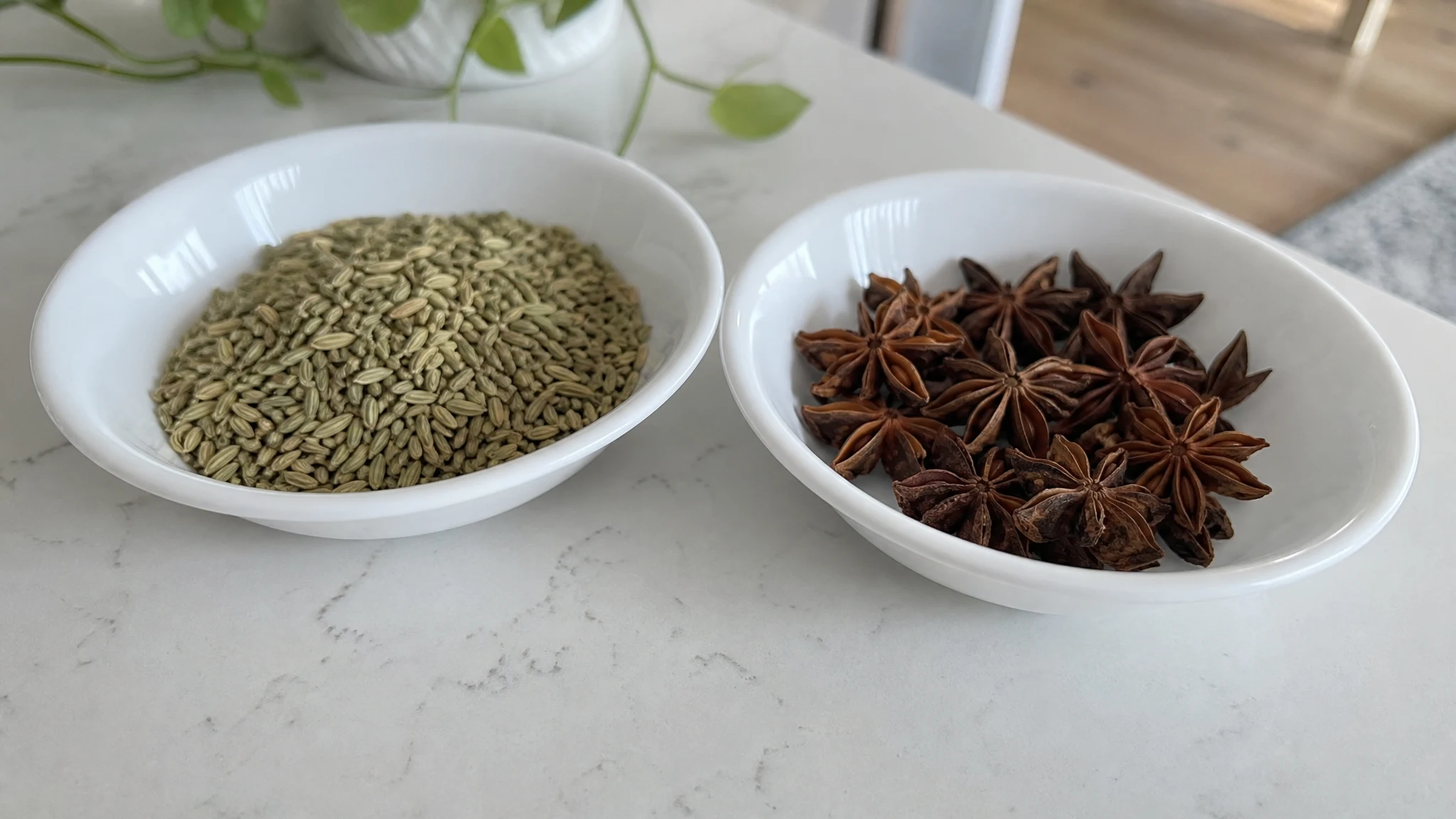
Candles sit in category 12 with a 1.5 percent estragole limit, which works out to about 25 percent fennel oil in the finished candle, far above anything a wax maker would suggest. Wax suppliers set their own fragrance loads, so follow theirs: one retailer's sheet for a soy wax lists a 10 percent maximum fragrance load (Cal Candle Supply, GW 464 instructions). The better question is what fennel does to a candle's scent, and its anethole-heavy character leans toward licorice.
Perfume in category 4 allows about 7 percent fennel oil on the same arithmetic. You will likely want much less, since several percent of anethole smells mostly of licorice, but fennel makes a pretty top note in a small dose.
Moderate: body oil and soap
Body oil falls in category 5A, where the estragole limit of 0.075 percent allows about 1.25 percent fennel oil. Our dilution guidance is 0.5% to 2% in a carrier oil, and we think the lower part of that range is the right home for fennel. The face and hand categories are tighter again, so we would keep fennel for body products. The sums for a body oil are in our fennel body oil guide.
Bar soap and bath salts belong to category 9, where the limit is 0.05 percent, about 0.8 percent fennel oil, or roughly 8 grams per kilogram of finished soap. Soap is also a regulatory category of its own. The FDA says a product that is only soap, marketed only as soap, falls under the Consumer Product Safety Commission, while a moisturising claim makes it a cosmetic and an acne or germ claim makes it a drug (FDA, Frequently asked questions on soap). Walkthroughs live in cold process soap with fennel oil and fennel bath salts.
Gentle: sprays and diffusers
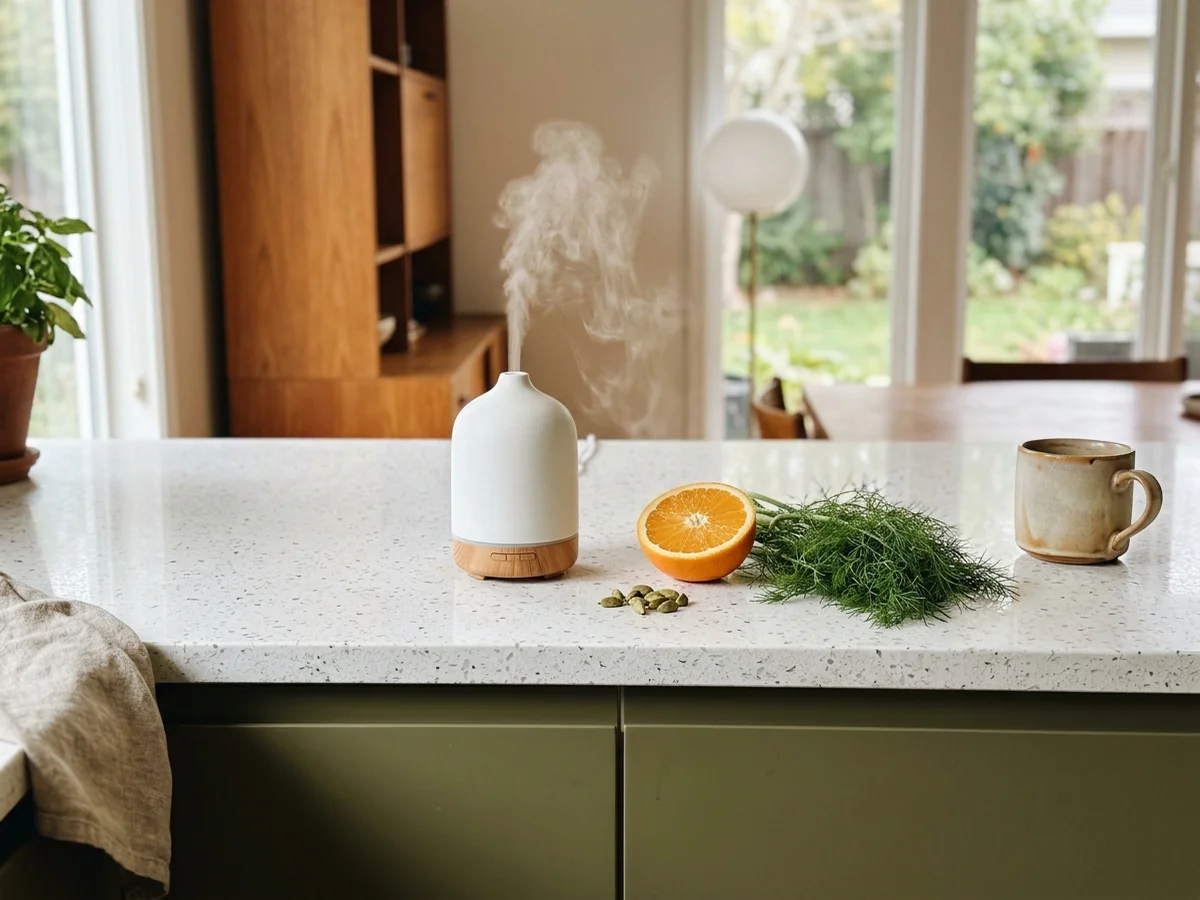
Room sprays and reed diffusers share the same 0.05 percent limit as soap. That is why a spray recipe should begin from the ceiling and work down. Electric diffusers do not come with an agreed conversion from drops to air concentration, so the best guide is the Tisserand Institute's suggestion of 30 to 60 minutes on and 30 to 60 minutes off with fresh air (Tisserand Institute, safety guidelines). Blends are in fennel diffuser blends.
Start with the room, not the recipe
It helps to picture who and what will share the space before you pick a use. A big airy room and a tiny hallway take the same oil very differently. Open a window, think about whether anyone in the house is pregnant, nursing, very young or has a pet that sleeps nearby, and keep the plan modest if there is any doubt. Fennel is a bold, sweet oil that rewards a light hand.
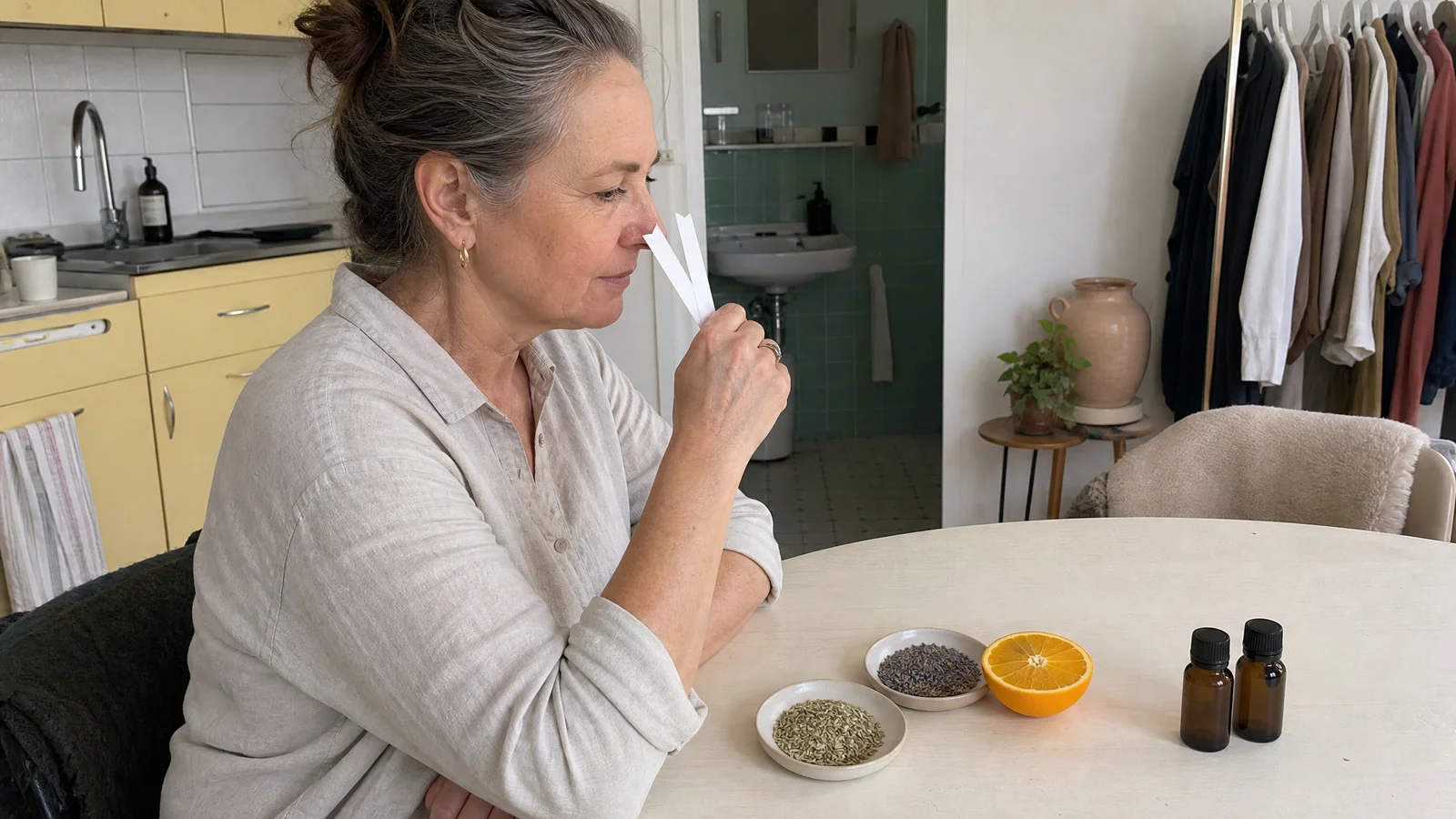
It is also lovely to start with a paper strip rather than a project. Wave it, set it on a shelf, and notice how the scent changes through the afternoon. You will quickly learn whether you want its sweet side in a candle, its warmer earthy side in a body oil, or just a quiet moment with the bottle open.
What fennel oil is not for
Our oil is not meant for internal use. A recipe calling for fennel almost always means the seed or the herb, not a concentrated oil, so please don't swap them. The FDA also notes that aromatherapy products with a disease intended use are drugs, not cosmetics (FDA, Fragrances in cosmetics). We make no medical claims for our oil.
Our How It's Made page says to avoid fennel oil entirely in pregnancy and breastfeeding, and that it is not appropriate for children. Anyone with an oestrogen-sensitive condition or epilepsy should leave it alone, and pets are covered in fennel oil and pets.
Before you choose a use
Three questions sort most of this. Who shares the space? What category does the finished product fall into? And do you know the lot's estragole figure? The Certificate of Analysis we publish covers one batch's density, refractive index, appearance and smell. If you need anethole and estragole for a specific lot, ask us in writing through the contact page. Until you know, planning around the top of the range is the cautious way to plan.
Fennel has a lot of uses, and it has more room in some than others. Matching the oil to the product is most of the craft.
Fennel Essential Oil
Fennel Essential Oil from our own shop, in sizes from 0.5 oz to bulk.
From $13.99
Shop Now →Sources & Further Reading
- IFRA, 2020. IFRA Standard: Estragole (Amendment 49)
- IFRA, 2019. Guidance for the use of IFRA Standards (product categories)
- EFSA FEEDAP Panel, 2023. Safety and efficacy of feed additives from Foeniculum vulgare (bitter and sweet fennel oil)
- Tisserand Institute. Safety guidelines
- Cal Candle Supply. GW 464 instructions
- FDA. Frequently asked questions on soap
- FDA. Fragrances in cosmetics