What Is Fennel Oil? Aroma, Origins and Uses
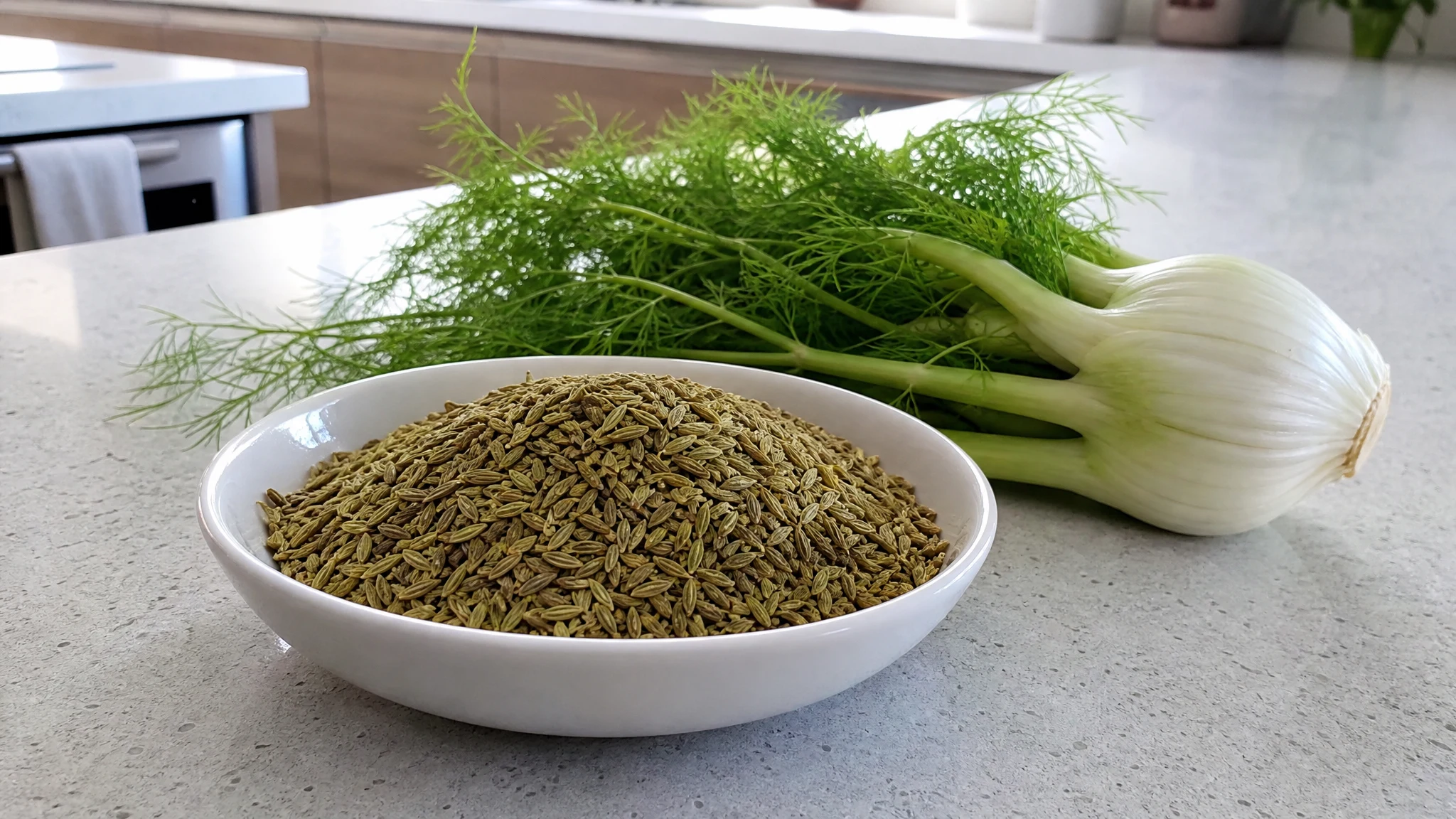
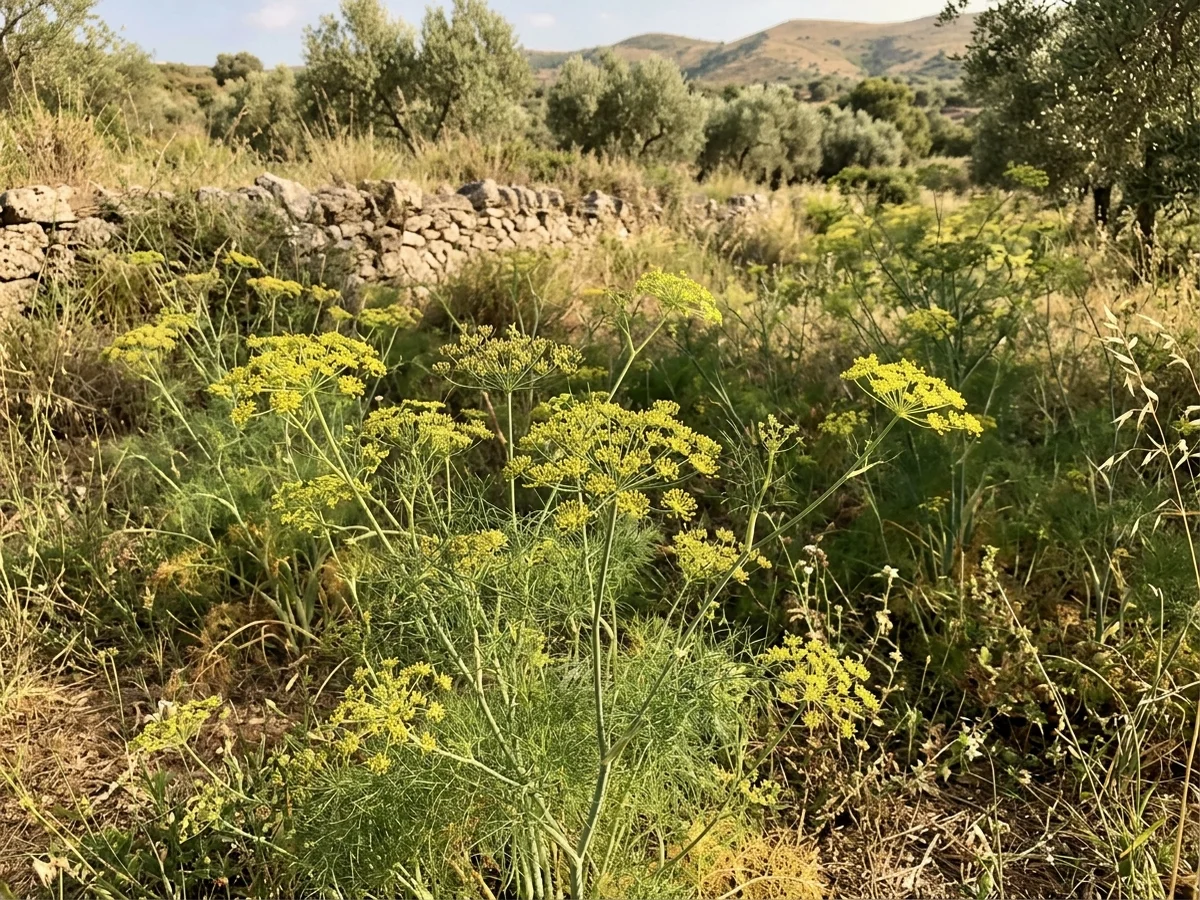
Those little curved fennel "seeds" you might have chewed after a meal are not seeds at all. Botanically they are the plant's dried fruit, and they are where essential oil comes from. Fennel oil is a good example of an oil whose whole character fits into one story: a feathery Mediterranean herb, a pass of steam, and one dominant aroma compound.
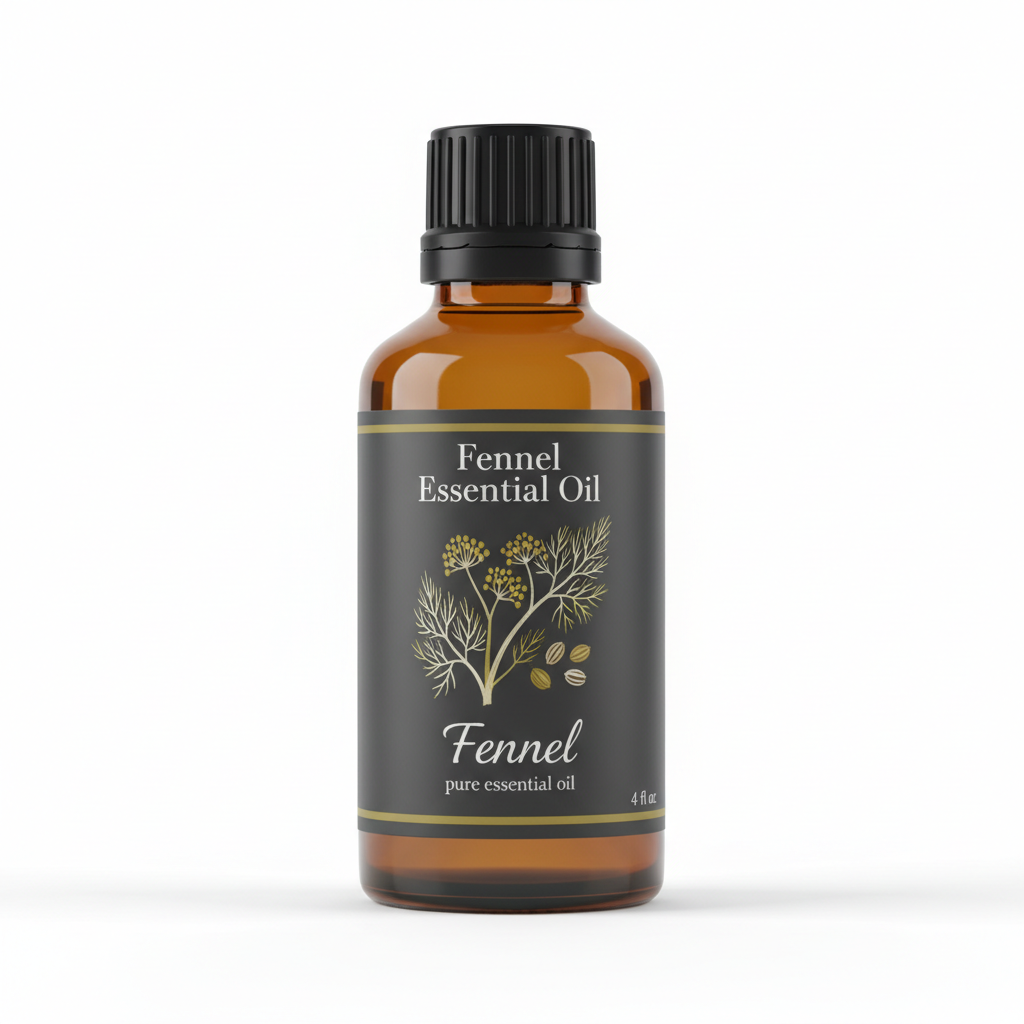
Fennel Essential Oil
Our own Fennel Essential Oil, in sizes from 0.5 oz to bulk.
From $13.99
Shop Now →A plant with two personalities
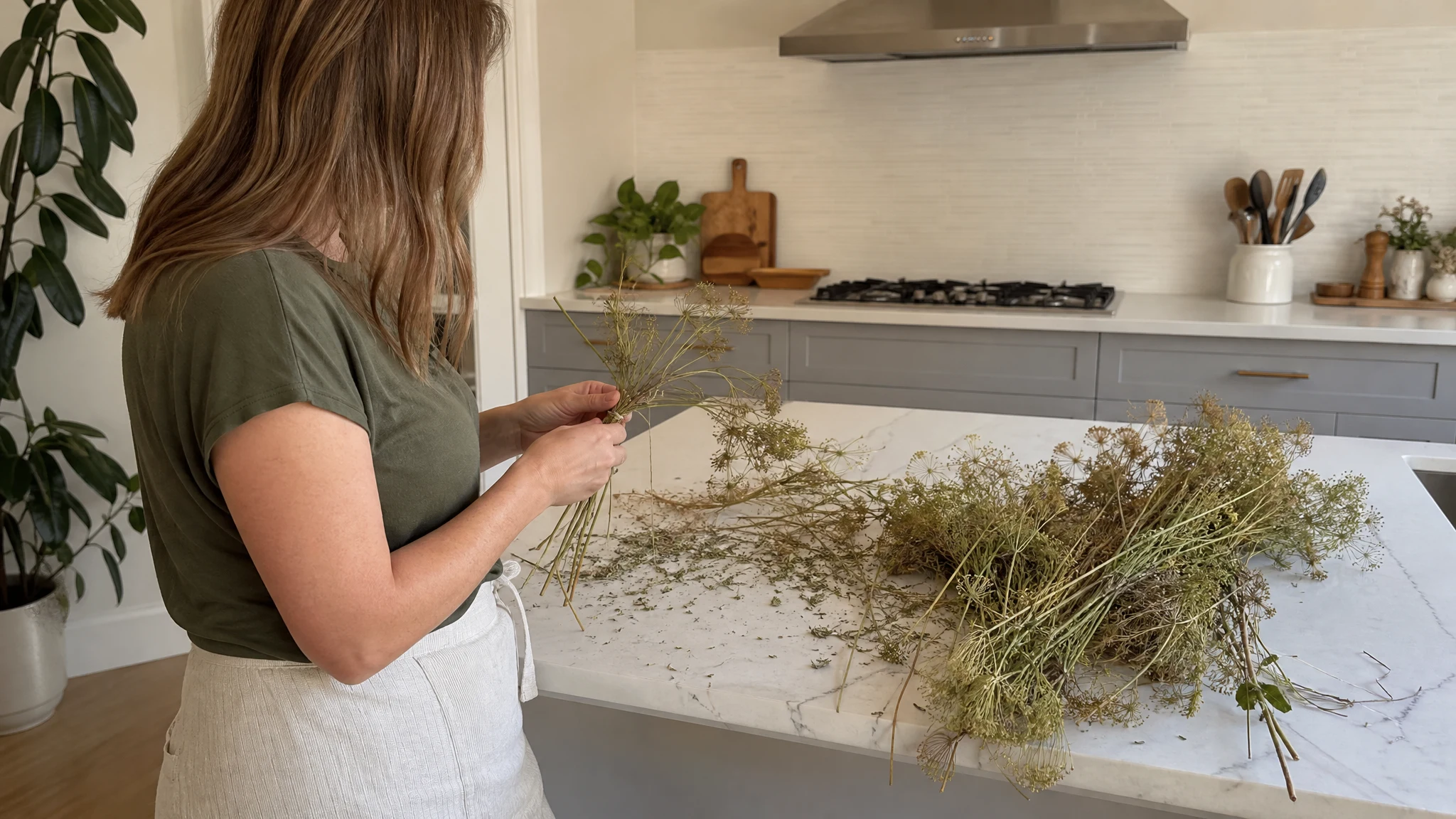
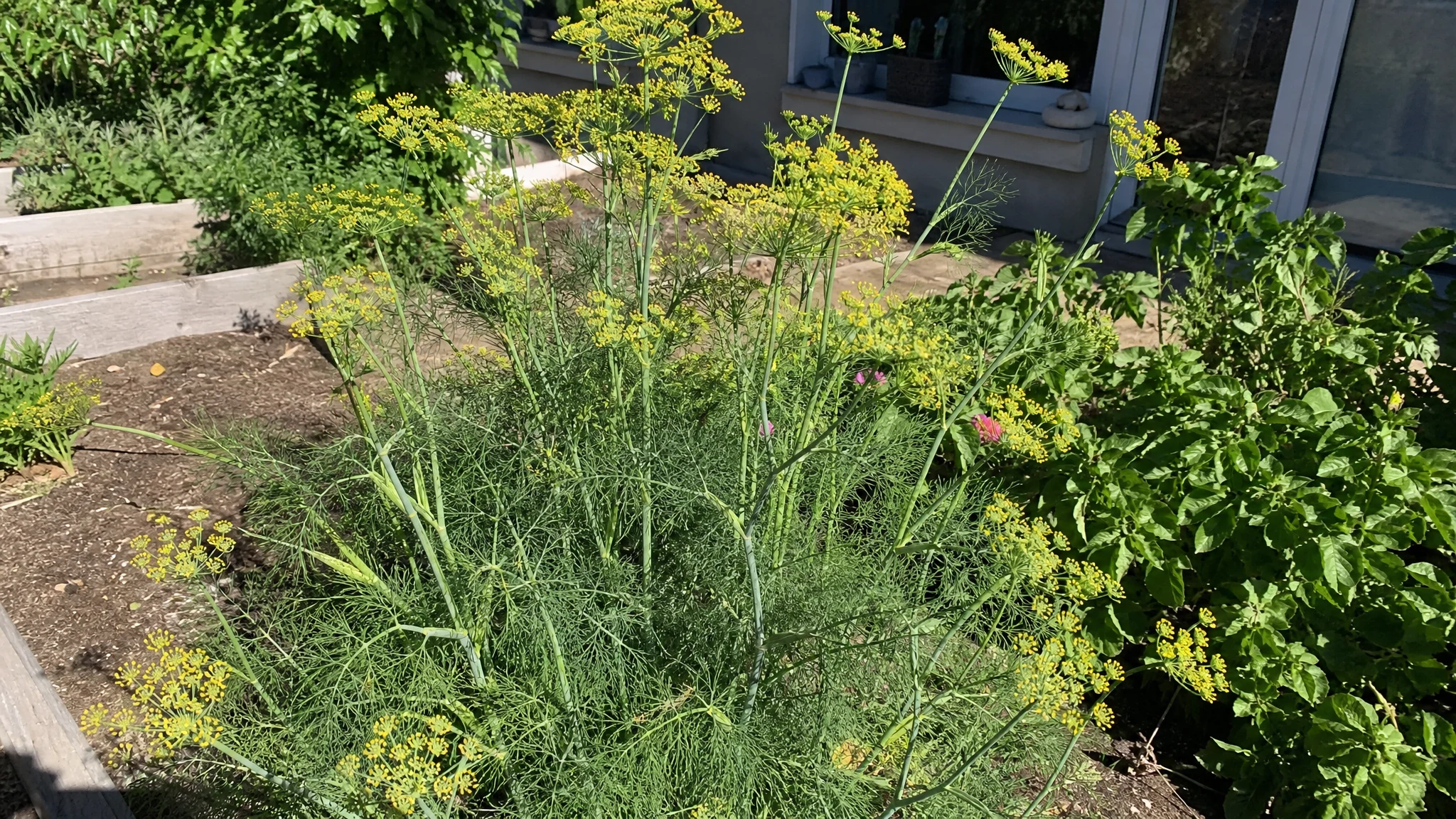
Foeniculum vulgare belongs to the carrot family, Apiaceae. The European Pharmacopoeia recognises two varieties, sweet fennel (var. dulce) and bitter fennel (var. vulgare), and sets different minimum oil contents for each: at least 20 mL of oil per kilogram of dried sweet fruit, at least 40 mL for bitter (EMA assessment report, 2024). Pause on that first number. A kilogram of fruit yields as little as 20 mL, a bit over a tablespoon, which is why a small bottle represents a lot of plant.
We bottle what we describe as sweet fennel, steam-distilled from crushed seed. Sweet fennel is the milder, more fragrant of the two, and it is the one we find easiest to love in a diffuser or a scented bar of soap.
The smell you may already know
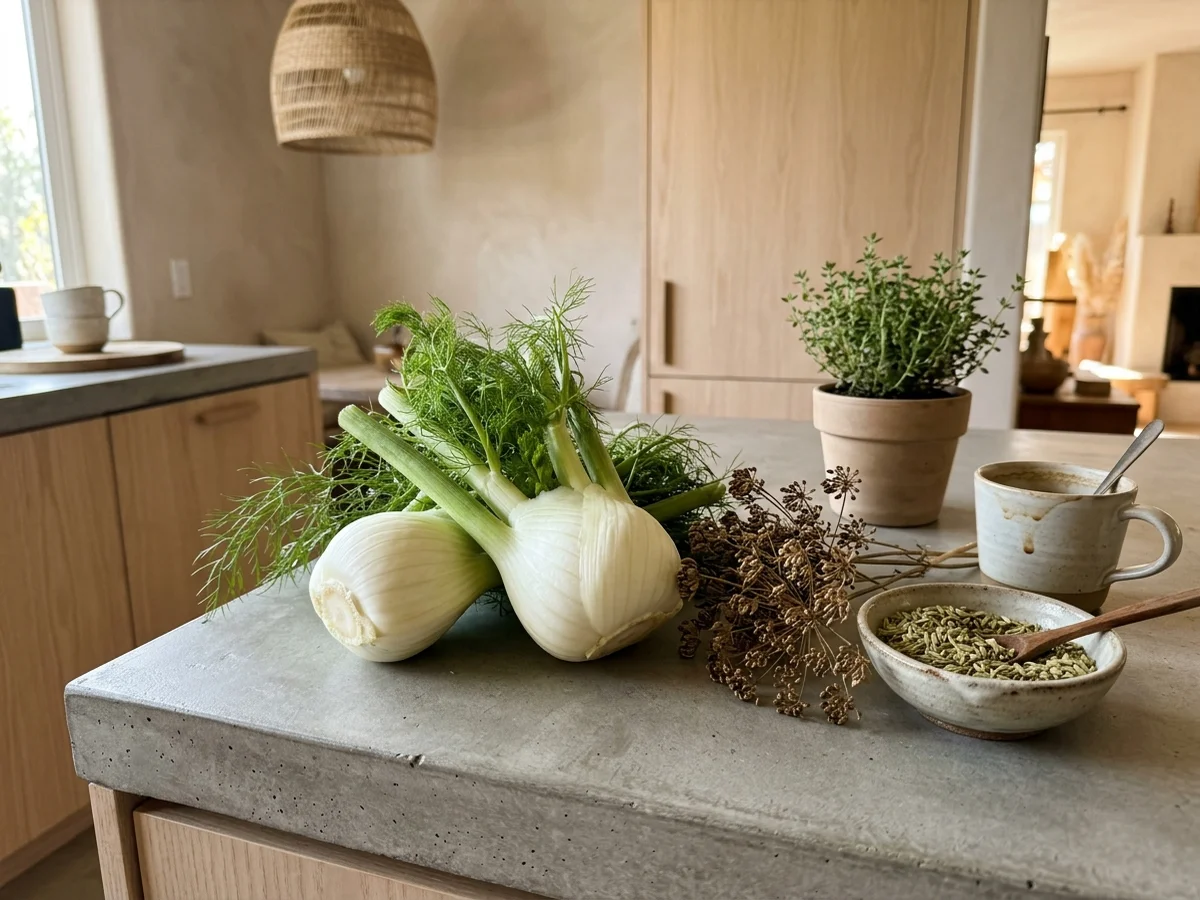
Most of us meet fennel in the kitchen first: a sliced bulb with its green, sweet crunch, or a spoonful of seeds in a bowl by the door at an Indian restaurant. The oil takes that familiar sweetness and turns up the volume. Open the bottle and you will notice licorice-like sweetness first, with an herbal, slightly peppery edge. If you like the smell of fennel seed, you are likely to like this.
How steam makes the oil
Crushed fruit goes into a still, steam passes through it and carries the aromatic molecules out as vapour, and cooling the vapour separates oil from water. That is steam distillation, and it is the standard way fennel oil is made. Our How It's Made page describes cracking the seed coarse shortly before it meets steam, and distilling until the charge is spent, with nothing on a timer. We bottle in amber glass, which protects the oil from light.
One molecule runs the show
If you smell fennel oil and think of licorice, you are smelling trans-anethole. EFSA's 2023 specification for sweet fennel oil is 60 to 82% anethole, and the five batches it analysed averaged 77.7%, with fenchone, limonene, estragole and pinenes making up much of the rest (EFSA FEEDAP Panel, 2023). That is one analysis of five lots, so treat it as a typical picture and not a description of any particular bottle.
That chemistry explains the aroma. Our description is sweet and anise-like at first, then settling into earthy, peppery, herbaceous layers, a top to middle note in perfumery terms. It also explains why fennel is a character oil: a little goes a long way, and it sits happily with lavender, rose, sandalwood, bergamot, black pepper and geranium. The same anethole links fennel to anise and star anise, which is why fennel oil vs anise oil is a popular question.
What people do with it
Fennel oil is a fragrance and craft oil. It suits a diffuser, a lightly scented body oil, cold process soap and bath salts, and seasonal blends. Each of those uses has its own dilution arithmetic, and we have worked through several in our body oil formula and the soap guide. Because fragrance standards cap estragole, a minor component, a lot report with that figure is worth requesting if you plan to sell something scented with it.
Starting small
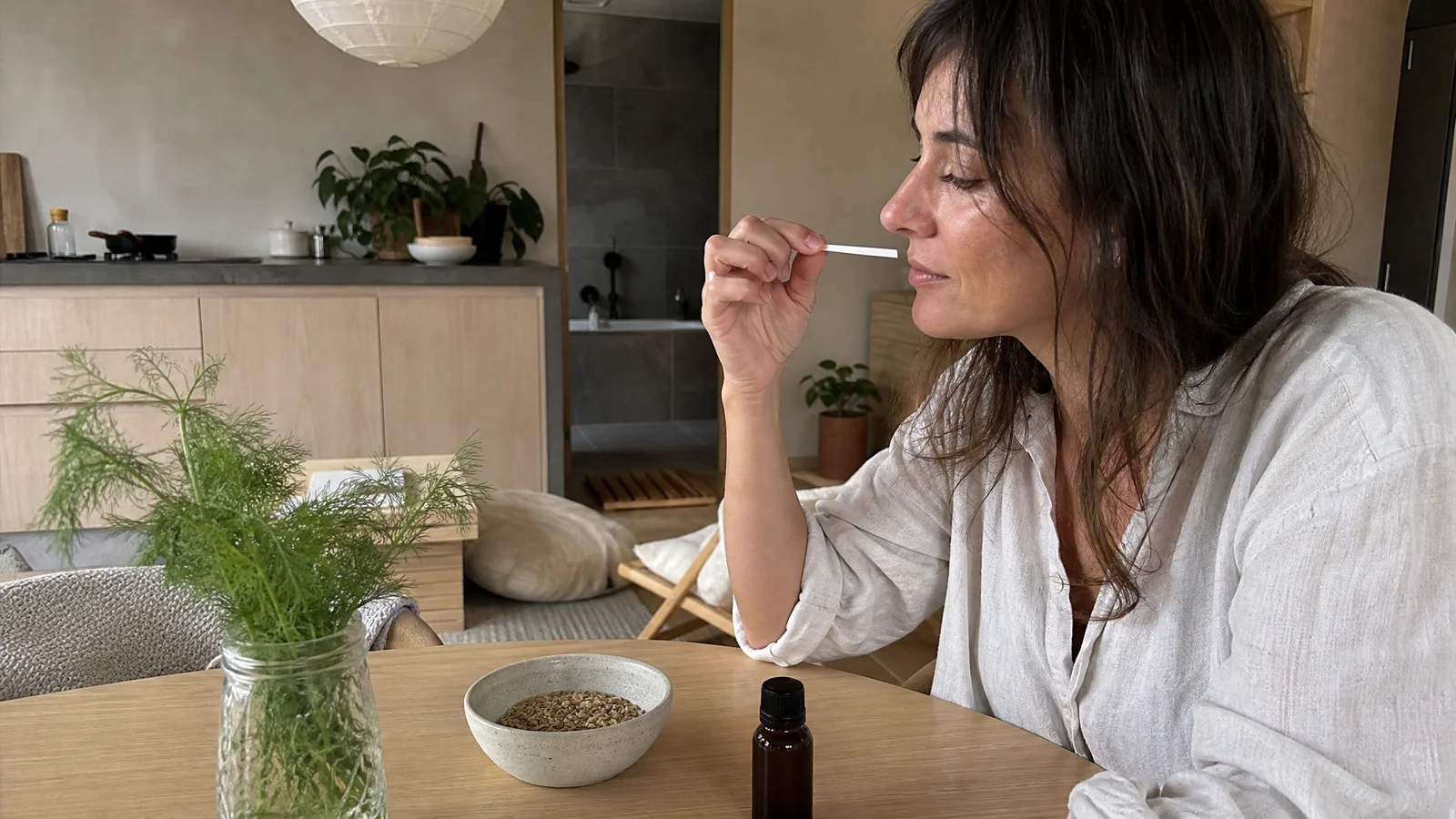
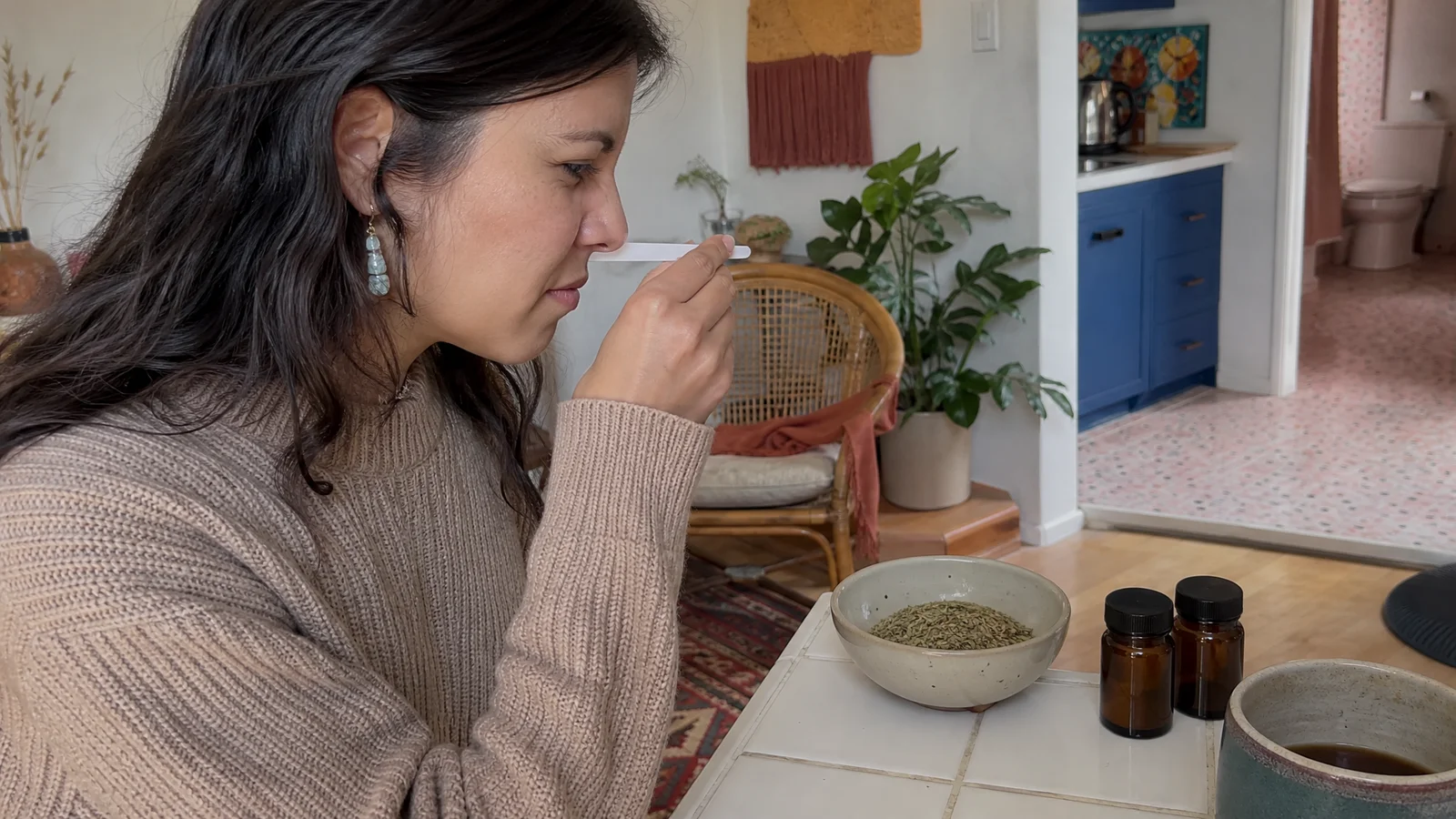
If this is your first fennel oil, we would suggest a small approach. Smell it on a paper strip first, then try it in a diffuser at a low level, or in a small test batch of a scented product. Fennel is a character oil, and the best results usually come from a modest amount paired with something that has a different personality: citrus for brightness, lavender for a floral softness, black pepper for a dry, spicy echo.
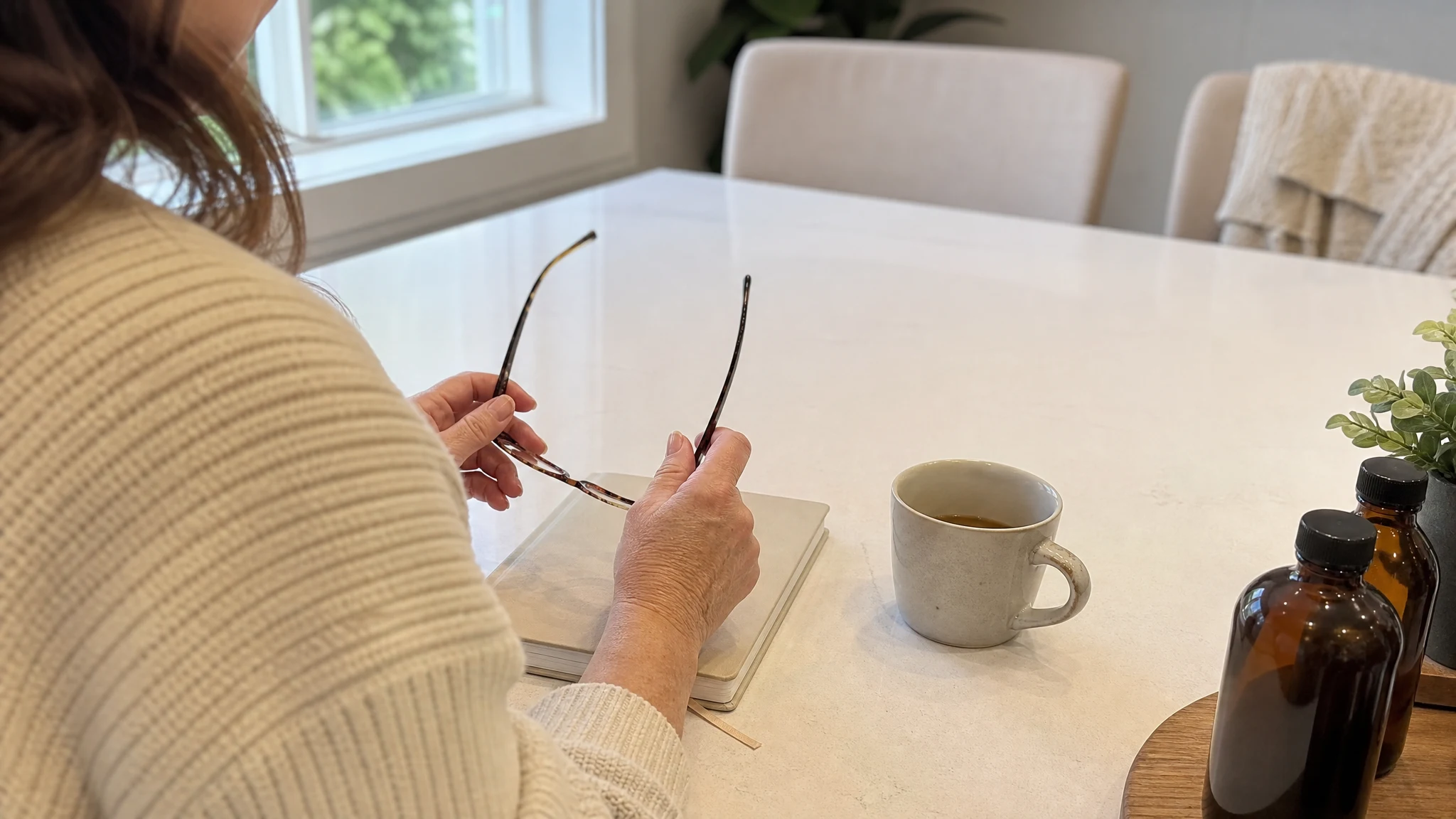
Keep notes as you go. A line or two about what you used, how much and what you noticed will save you guesswork the next time you reach for the bottle.
Where it fits and where it does not
We sell fennel oil as an external, cosmetic-use oil, not as a remedy. It is not meant for internal use. For skin, we recommend a carrier oil dilution and a patch test, and our guidance is to keep it away from eyes, children and pets. Pregnant and breastfeeding readers, anyone with an oestrogen-sensitive condition or epilepsy, and anyone with questions about medicines should skip it and talk to a physician or pharmacist. In the US, the FDA says an aromatherapy product with a disease-related intended use is a drug (FDA, Fragrances in Cosmetics), and we do not make such claims. If you want to know why regulators in Europe are cautious about swallowing fennel oil, you will find the story in estragole in fennel oil.
Seen whole, fennel oil is a simple, charming ingredient with a strong personality. Learn which variety you have, smell it before you plan around it, and let a little do the work.
Fennel Essential Oil
Fennel Essential Oil from our own shop, in sizes from 0.5 oz to bulk.
From $13.99
Shop Now →