Fennel Oil Dilution for Skin: Which Number to Trust
Ask three sources how much fennel oil belongs in a body oil and you get three different answers. Our own guidance says 0.5% to 2%. Aromatherapy references offer broader ranges. The fragrance industry's estragole standard points much lower. They are answering slightly different questions, and once you see how they fit together the choice gets easier.
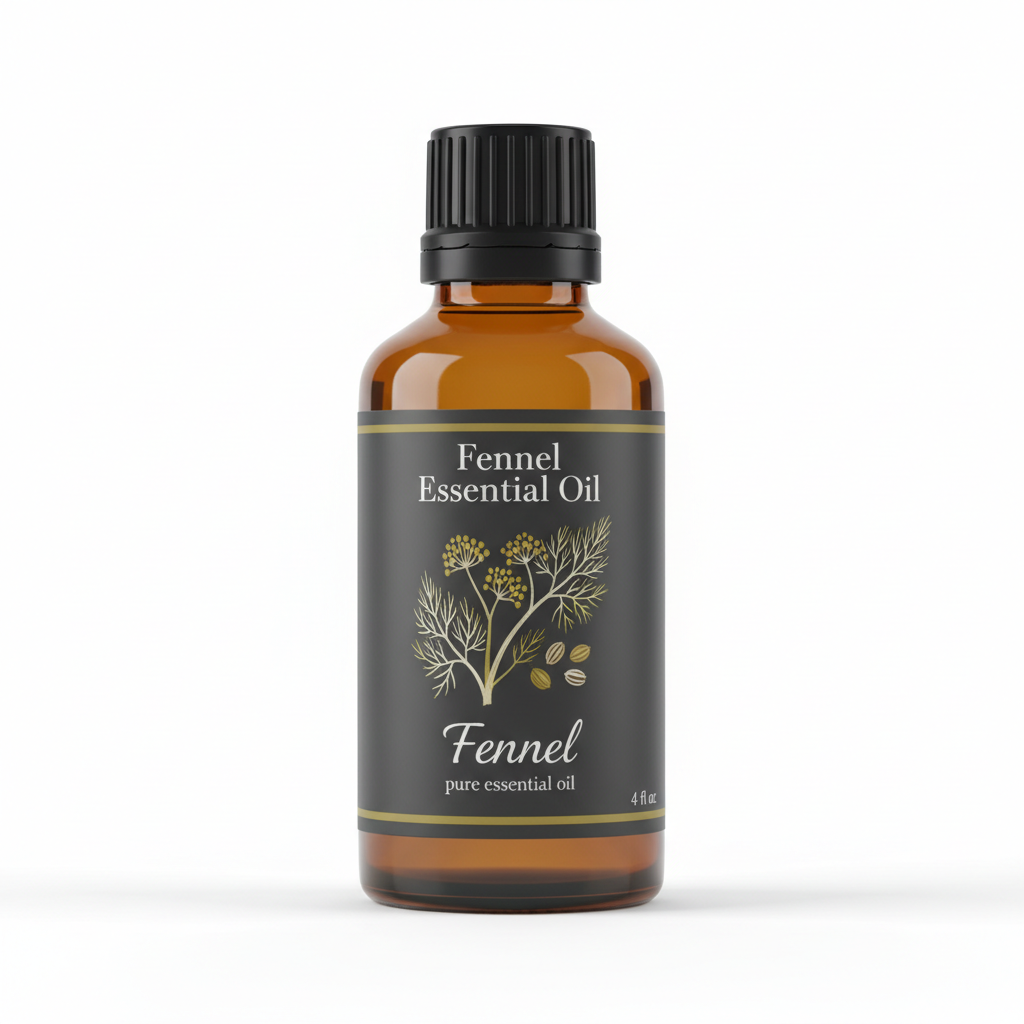
Fennel Essential Oil
Our own Fennel Essential Oil, in sizes from 0.5 oz to bulk.
From $13.99
Shop Now →Where our range comes from
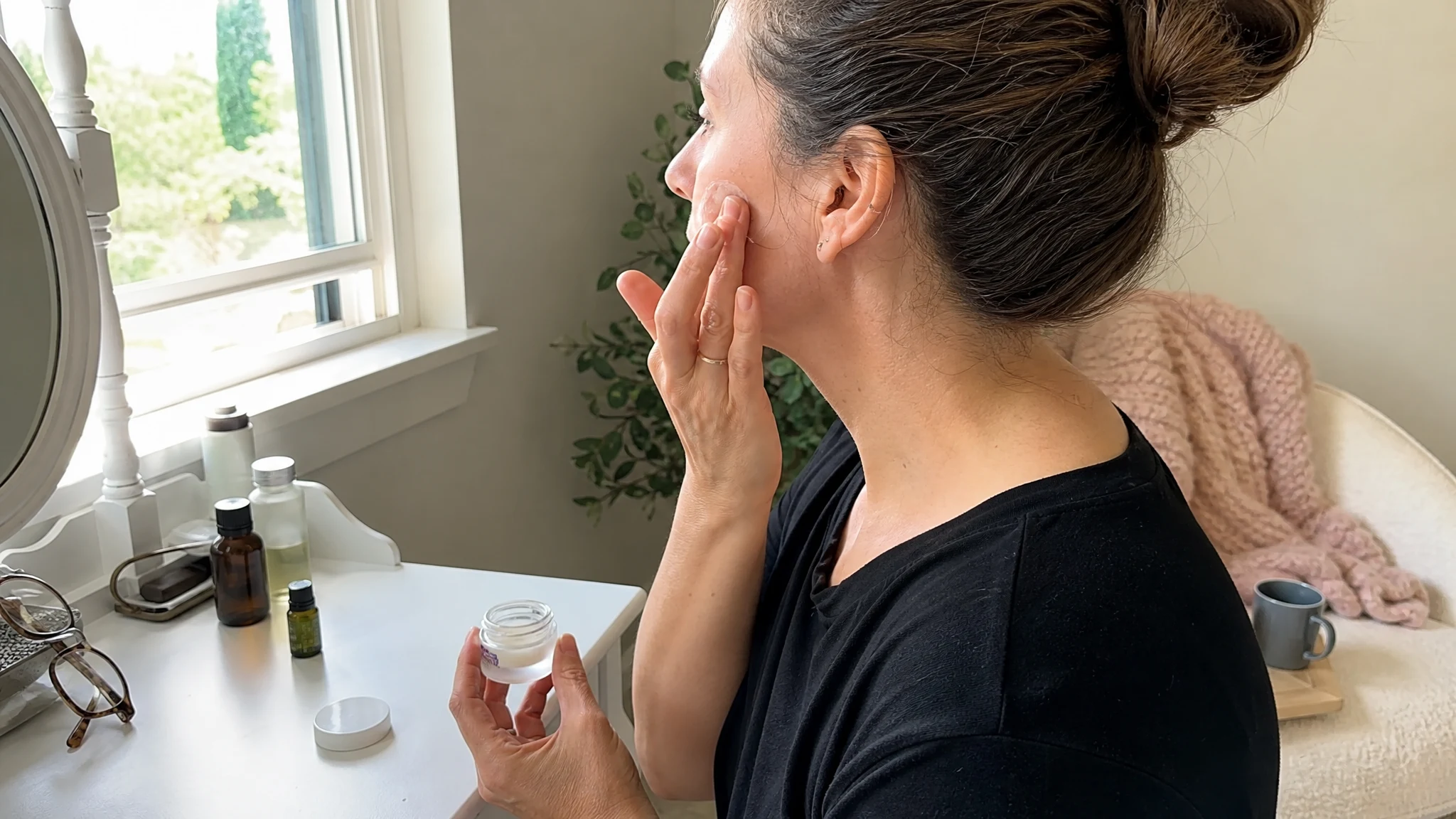
We recommend diluting fennel oil to 0.5% to 2% in a carrier oil, which works out to roughly 3 to 12 drops per ounce, and patching a small area first. We also suggest keeping dilutions low, well under what you would use for a citrus oil. In practice we treat the bottom of our range as the comfortable place to start, and we would go lower again for a face product.
The general range and why fennel sits below it
The Tisserand Institute gives 1% to 3% as the long-used range for body oils and lotions, and 0.2% to 1% for sensitive or compromised skin. Those are general guidelines for oils as a group, not a fennel verdict. Fennel carries estragole, a minor component that the International Fragrance Association restricts category by category. Divide a category limit by the estragole share of the oil and you get the most fennel oil that fits:
| Product (IFRA category, limit) | 3.76% estragole | 6.0% | 17.0% |
|---|---|---|---|
| Body oil or lotion (5A, 0.075%) | 2.0% | 1.25% | 0.44% |
| Hand cream (5C, 0.012%) | 0.32% | 0.20% | 0.07% |
| Face cream (5B, 0.0062%) | 0.16% | 0.10% | 0.04% |
The estragole figures are real published numbers: 3.76% is the mean of five sweet fennel batches in an EFSA opinion, 6.0% is the top of its sweet fennel specification, and 17.0% is the average of five authentic distillates in a 2024 authentication study. We checked Amendment 49 of the standard from 2020 and later amendments may differ, so treat this as arithmetic on a published limit. The takeaway is easy to hold onto: 0.5% fits a body oil in every column, while a hand or face product needs a much lighter touch. If you want the number for your own bottle, ask us in writing through the contact page for the lot figures.
Making a small batch
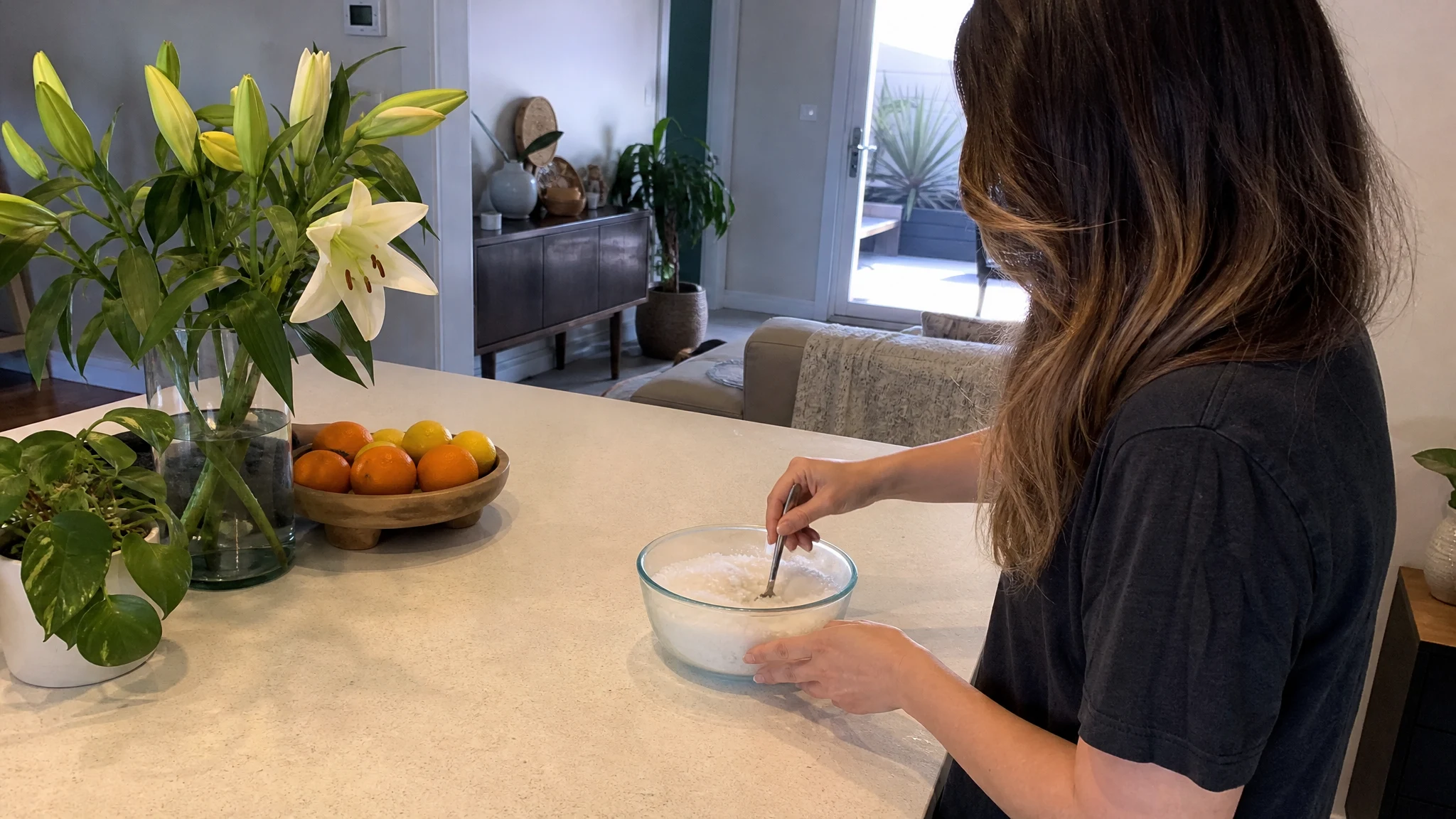
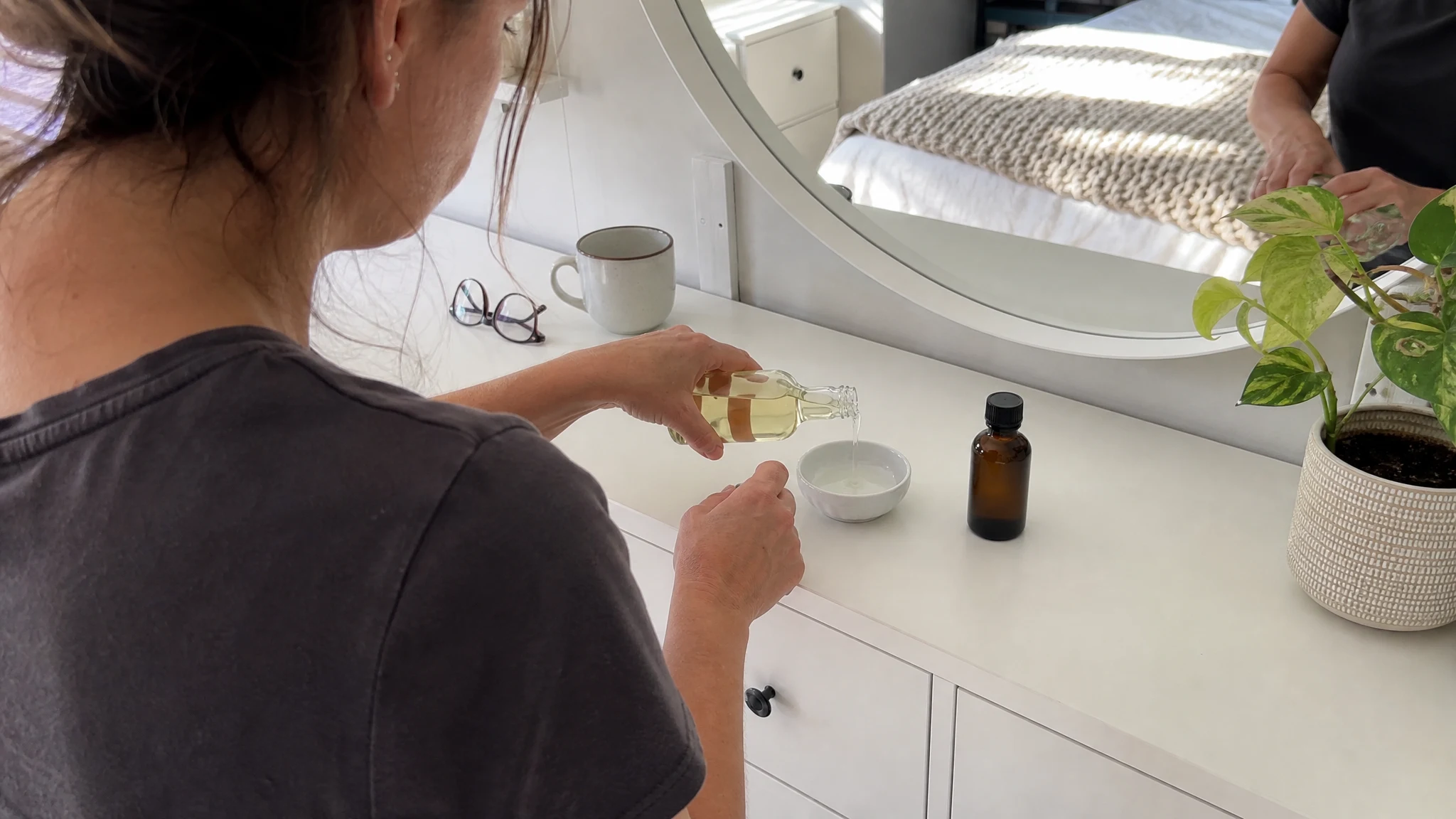
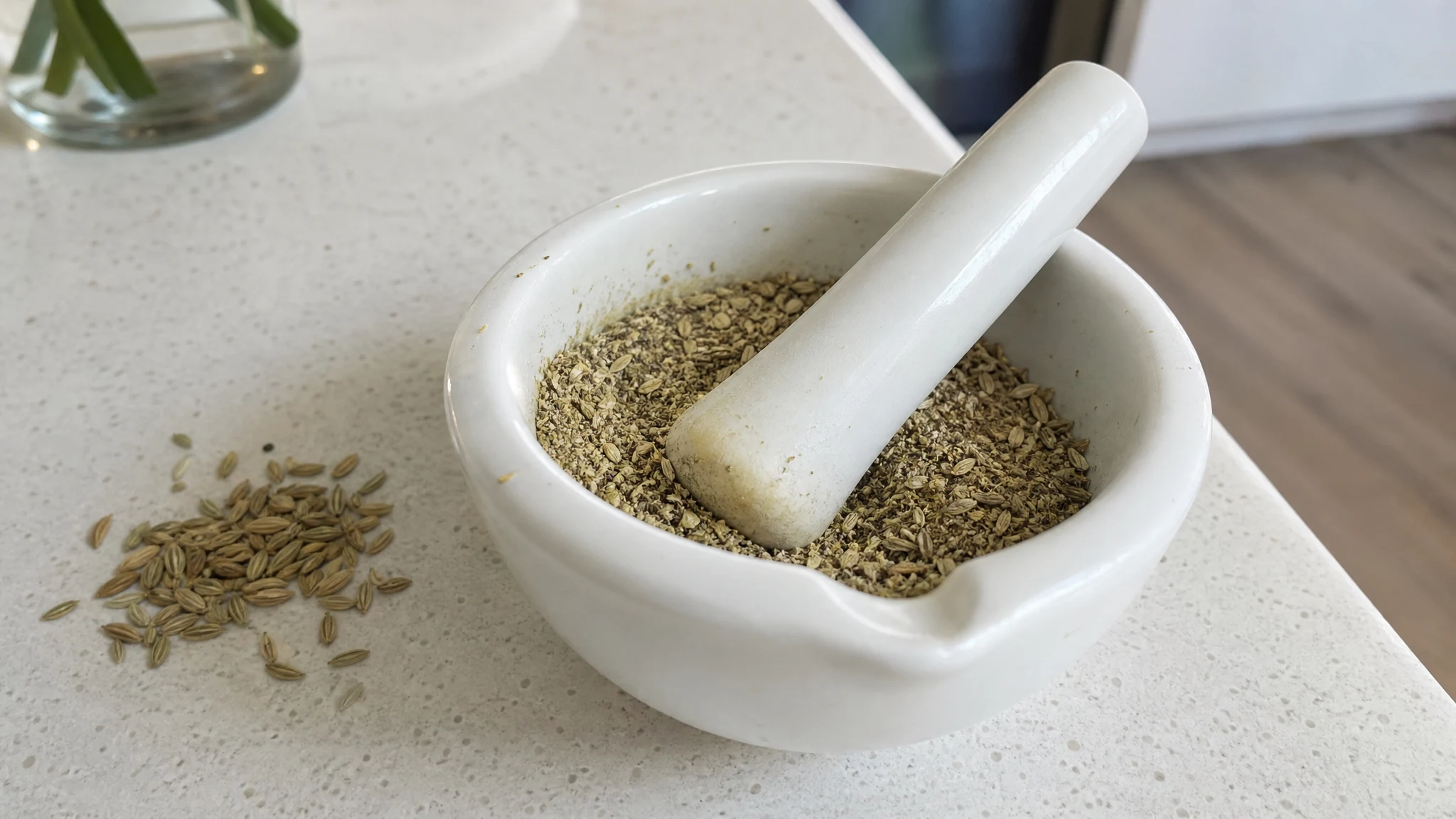
If you make a body oil, make a small one. A little glass bottle with a tight cap is plenty for a first try, and it means you never end up with a large batch that goes stale before you finish it. Weigh the carrier oil on a kitchen scale if you can, add your fennel oil last, close the bottle and swirl it gently. Put a label on it with the percentage and the date, because three weeks from now you will not remember either.
What you will notice is that a diluted fennel body oil is softer than the bottle itself: the sweet licorice note is there, quieter, with the earthy side sitting beneath it. That gentleness is part of the charm, and it is one more reason to stay at the lower end of the range.
What a patch test tells you
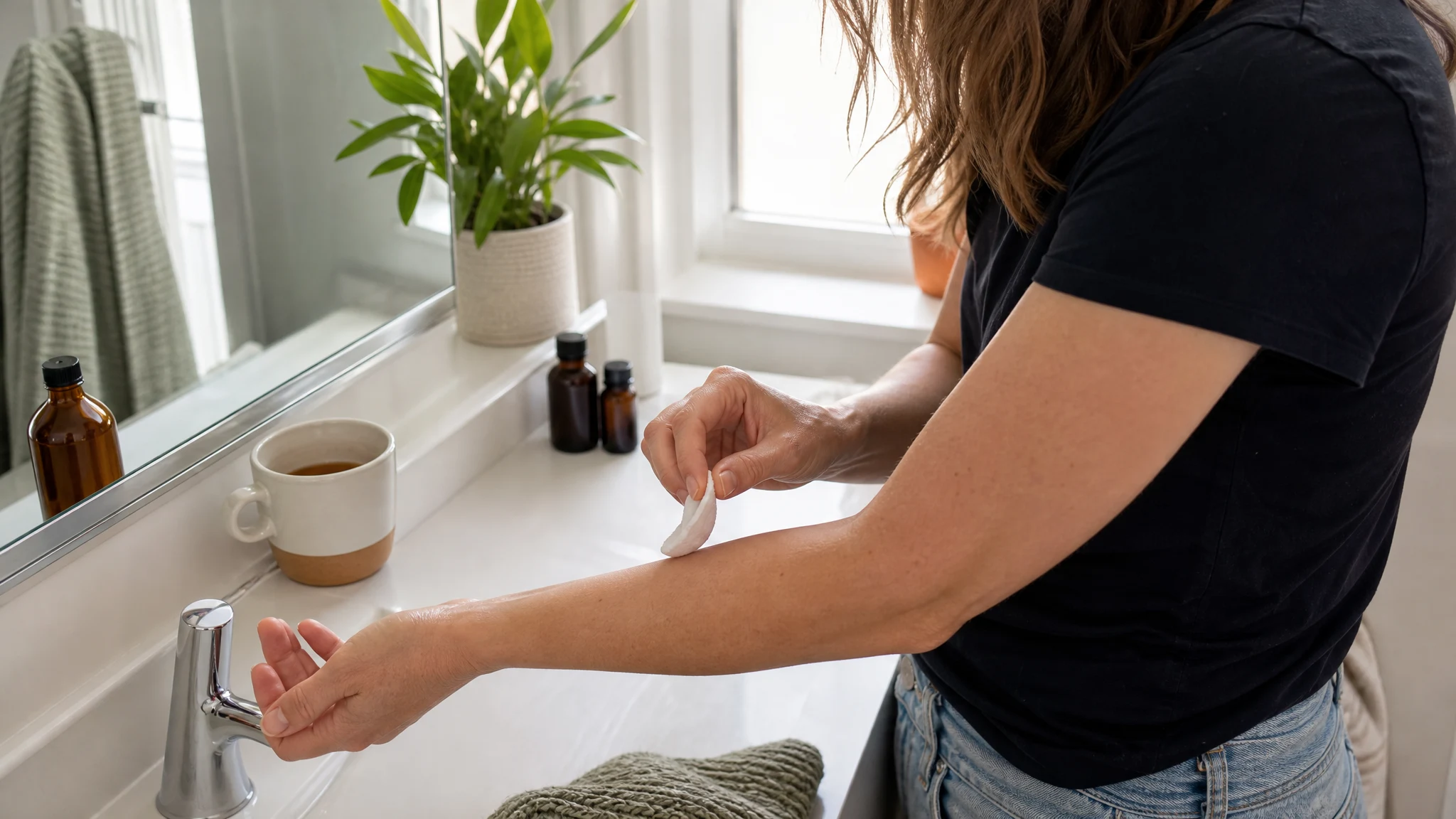
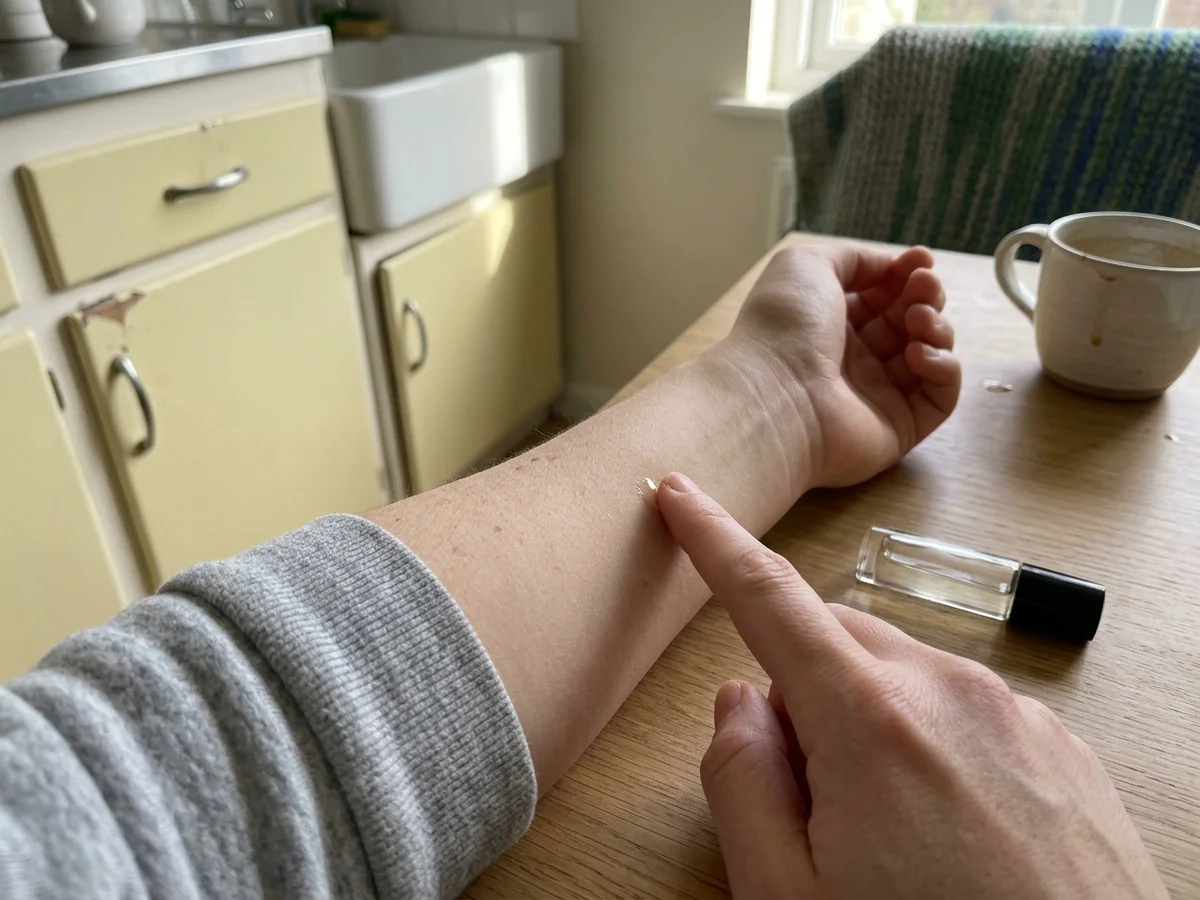
Our advice is to put a little diluted oil on the inner forearm and wait 24 hours before wider use. It is a sensible habit, and it is worth knowing its limits. The Tisserand Institute points out that irritation fades within hours, while allergy follows sensitisation and can arrive after repeated use, so a clean patch on day one does not guarantee month three. The Institute does not generally recommend patch testing as a safeguard, since clinical patch testing uses specialised patches and is not perfectly reliable. For people at higher risk it suggests starting near 1% and moving up in 0.5% steps. What protects you most is a low dilution, modest frequency and stopping at the first itch.
A word on start low
It is tempting to treat the top of a range as the target, and we would gently encourage you not to. Begin at the quiet end, live with a small batch for a while, and only then think about moving up. With an oil as characterful as fennel, a light touch often smells better anyway, because the sweetness stays soft and does not take over the room or your sleeve. Keep a note of what you made so you can repeat the version you liked.
Freshness counts too
Oxidised oils are slightly more likely to cause skin reactions, according to the Tisserand Institute, and a review of oil stability found that the main compound in sweet fennel oil changed substantially within two months at room temperature under light. A fresh, well-capped bottle is part of using it on skin. Our guide to storing fennel oil covers the details.
How we would put it together
- Check first whether fennel oil suits you. Pregnancy, breastfeeding, childhood, epilepsy and oestrogen-sensitive conditions are all reasons to skip it, as we explain in the safety overview.
- Choose the product, then the ceiling from the table, and take the lower of that and 0.5% for a first batch.
- Measure by weight where you can, as in our roller blend page, because drop sizes vary.
- Go slowly, and stop if anything itches or reddens.
Treated that way, fennel is a lovely, sweet-spicy oil for a light, occasional body oil, and a little goes a long way.
Fennel Essential Oil
Fennel Essential Oil from our own shop, in sizes from 0.5 oz to bulk.
From $13.99
Shop Now →Sources & Further Reading
- IFRA, 2020. IFRA Standard: Estragole, Amendment 49. perfumersworld.com copy
- IFRA, 2019. Guidance for the use of IFRA Standards (product categories). pimgrup.com copy
- EFSA FEEDAP Panel, 2023. Safety and efficacy of feed additives from Foeniculum vulgare (bitter and sweet fennel oil). PMC10613937
- Murphy BJ et al., 2024. Authentication of fennel, star anise and anise essential oils by GC/MS and GC/IRMS. Plants 13(2). PMC10818908
- Tisserand Institute. Dilution guidelines. tisserandinstitute.org
- Tisserand Institute. Irritation and allergic reactions. tisserandinstitute.org
- Tisserand Institute. Oxidized essential oils. tisserandinstitute.org
- Turek C, Stintzing FC, 2013. Stability of essential oils: a review. Compr Rev Food Sci Food Saf 12. review PDF