How to Store Fennel Oil So the Scent Lasts
Open an older bottle of fennel oil and the sweet licorice note can seem a little flatter than you remember. That is not your imagination. Fennel is built mostly from trans-anethole, a compound that changes with exposure to air, warmth and light, so how you keep the bottle makes a real difference.
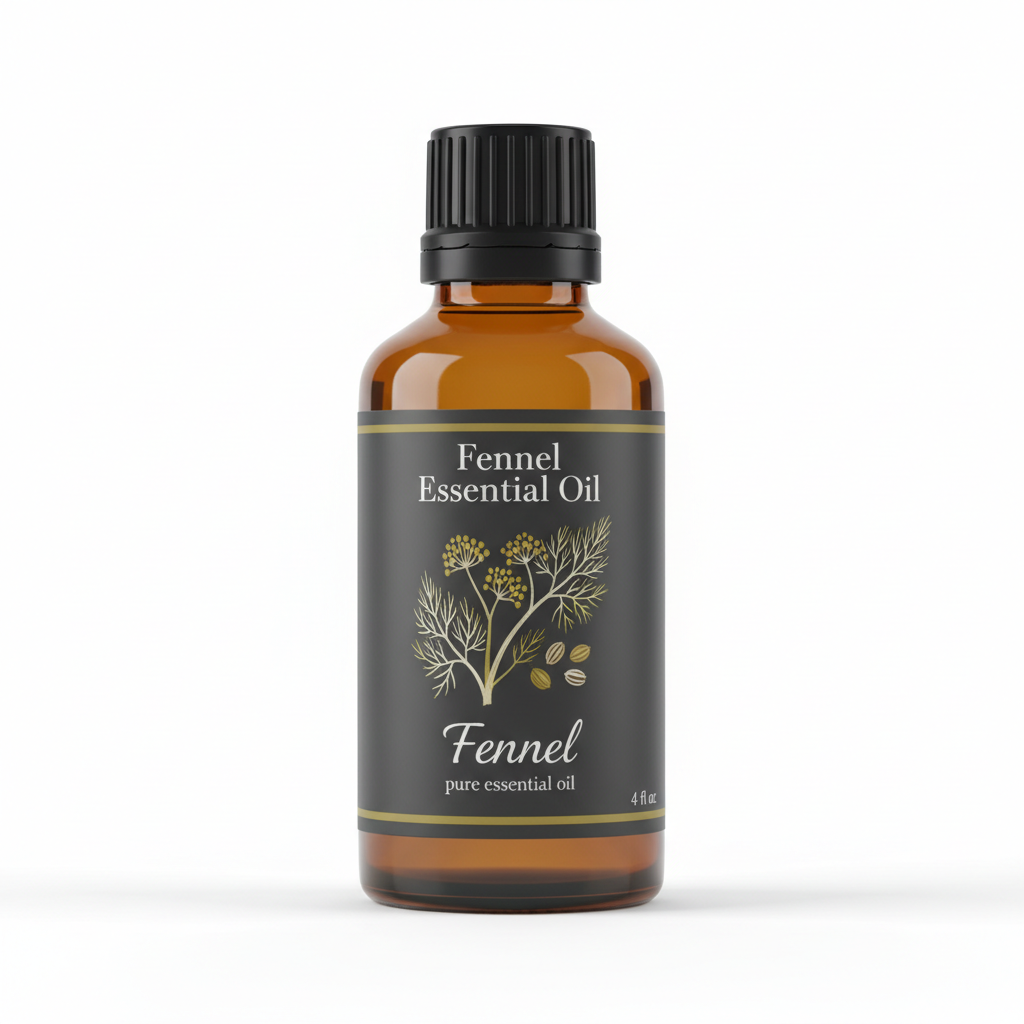
Fennel Essential Oil
Our own Fennel Essential Oil, in sizes from 0.5 oz to bulk.
From $13.99
Shop Now →What happens inside the bottle
A review of essential oil stability describes one 2005 study in which the main compound of sweet fennel oil had completely oxidised to anisaldehyde or shifted to its cis form after two months at room temperature under light. In oil stored at 25 degrees C compared with 4 degrees C, the clearest change was a rapid rise in 4-anisaldehyde, which the review treats as a quality marker. An older study in the same review found fennel oil quite stable under nitrogen, so oxygen looks like the main driver, with light and warmth speeding things up. That is our reading of the review, not a finding about any one bottle.
Why care beyond the smell? The Tisserand Institute notes that oxidation products tend to be slightly more likely to cause skin reactions, which is one more reason to put a fresh bottle on skin and keep the old one for scent.
Five habits, in order of what helps most
- Cut down the air. The review found that changes were generally more pronounced in half-filled containers than nearly full ones. As a bottle empties, moving the oil to a smaller full bottle is a sensible home answer. Inert gas is a professional's tool.
- Keep it cool. The fennel result at 25 versus 4 degrees C and the Tisserand Institute's remark that refrigeration roughly doubles the life of most oils point the same way. A cool cupboard works for the bottle you use weekly. If you refrigerate backup stock, let the bottle come to room temperature before opening, so moisture does not condense inside. That last point is our own reasoning.
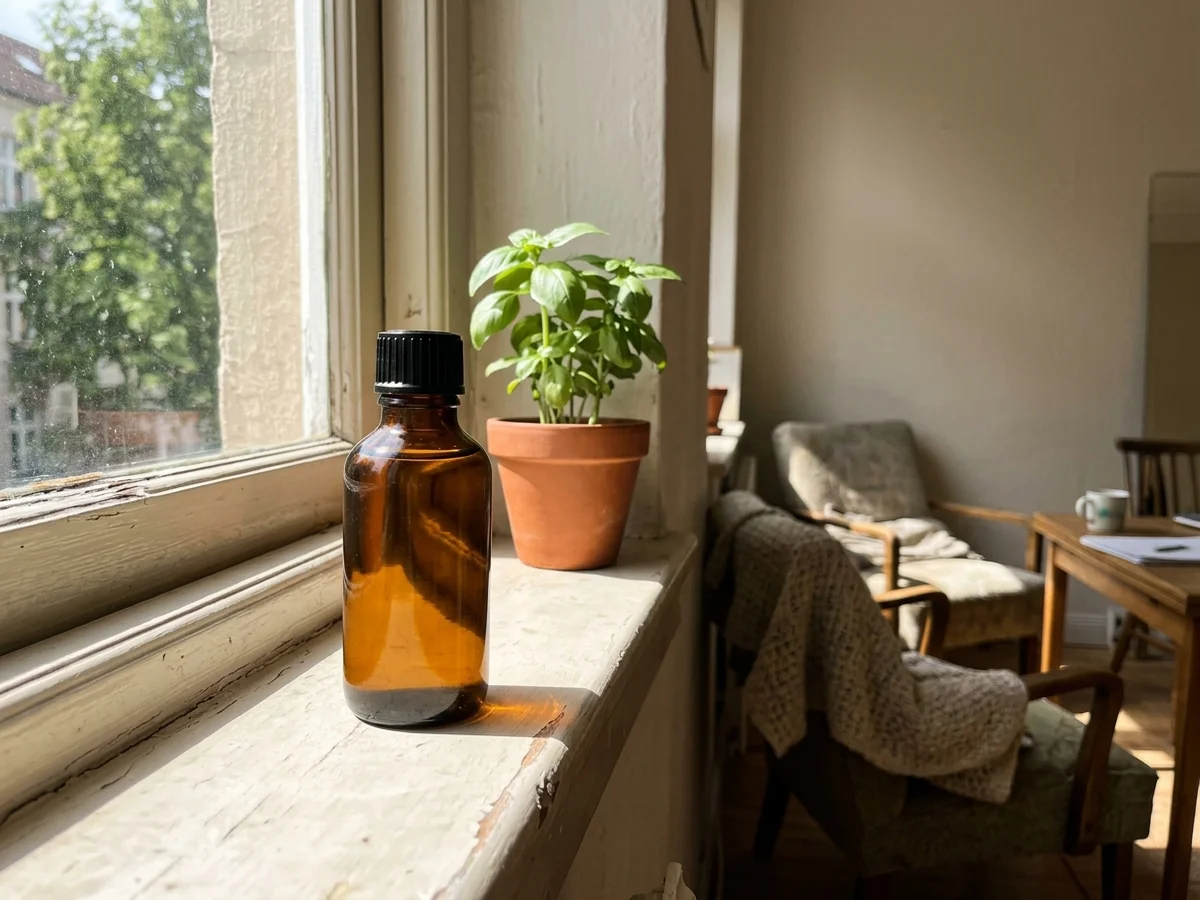
- Mind the light. In the same review the dark slowed the changes without stopping them. Our oil goes into amber glass, and a sunny windowsill undoes that protection.
- Keep moisture out. Cap tightly and never dip a wet dropper.
- Stay with glass. The review notes that copper and iron from metal containers can promote oxidation.
Choosing a spot at home
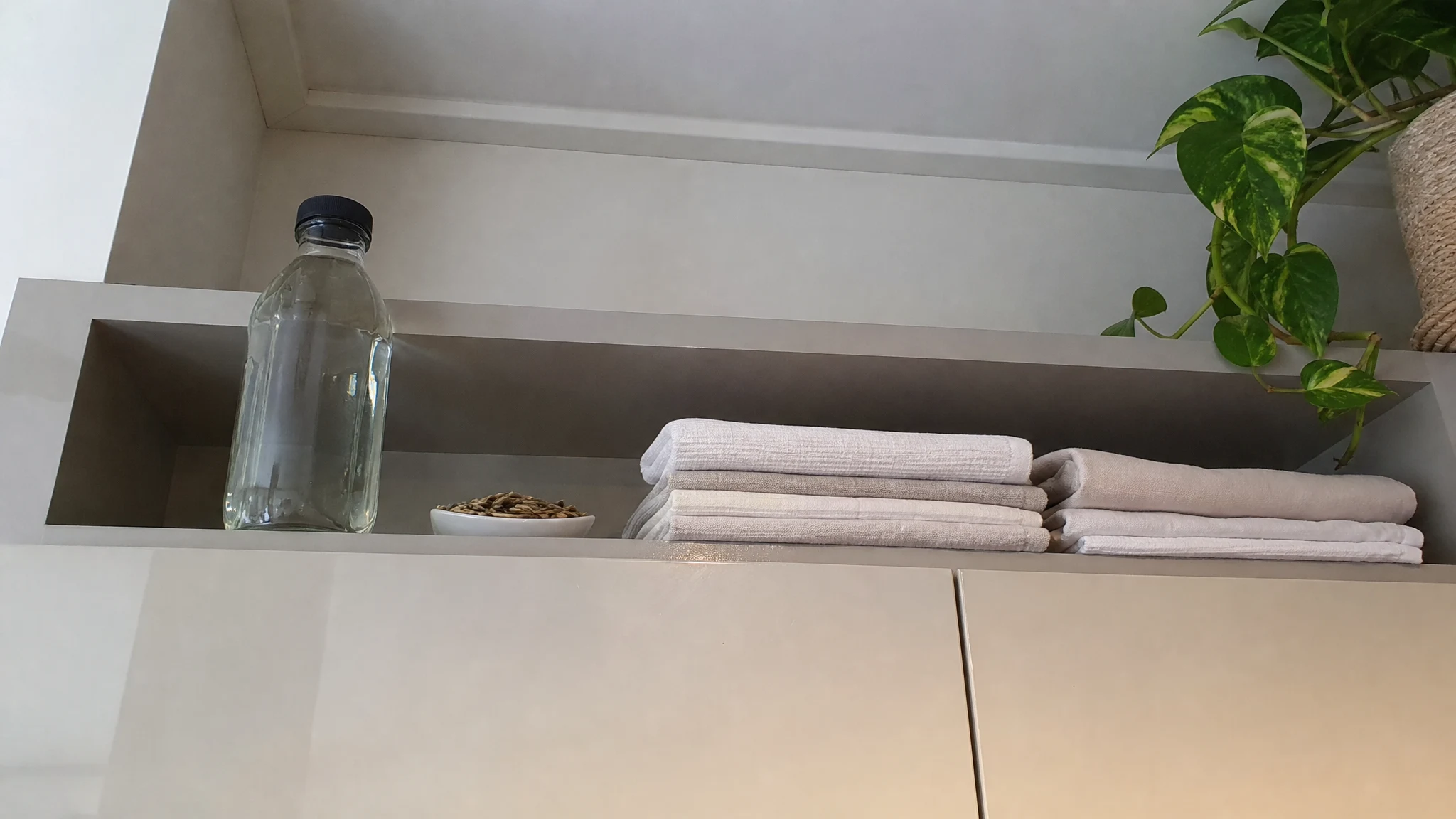
Walk around your house and look for the quiet spot. A bathroom shelf is warm and steamy after every shower, and a shelf above the stove sees heat all day. A sunny windowsill is the worst of all. The best place is usually the boring one: a closed cupboard or a drawer in a room that stays at an even temperature, away from the kettle, the radiator and the window.
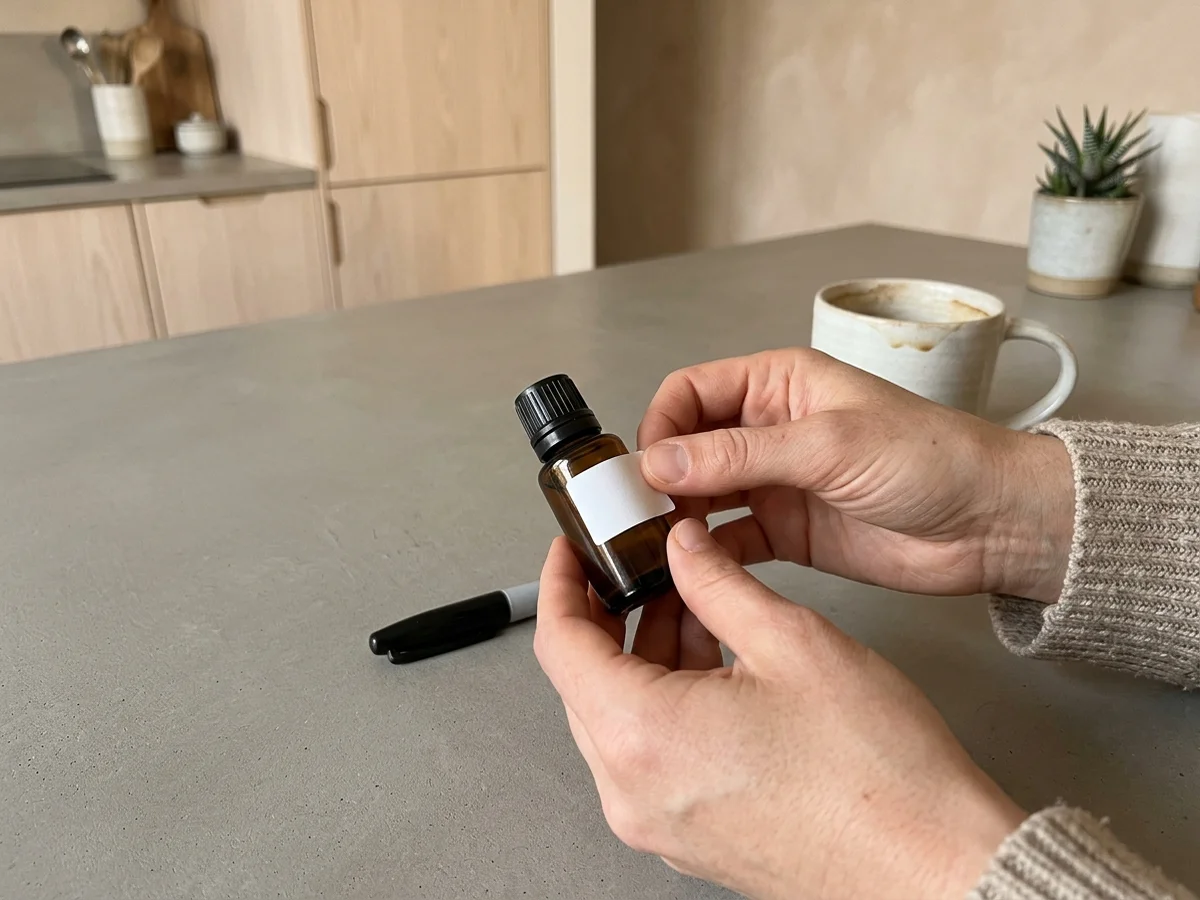
If you use several oils, a small box or tray helps. Group your bottles together with the caps facing up, write the date you opened each one on a label, and keep the whole set at adult height or higher, out of reach of children and pets.
Moving oil into a smaller bottle
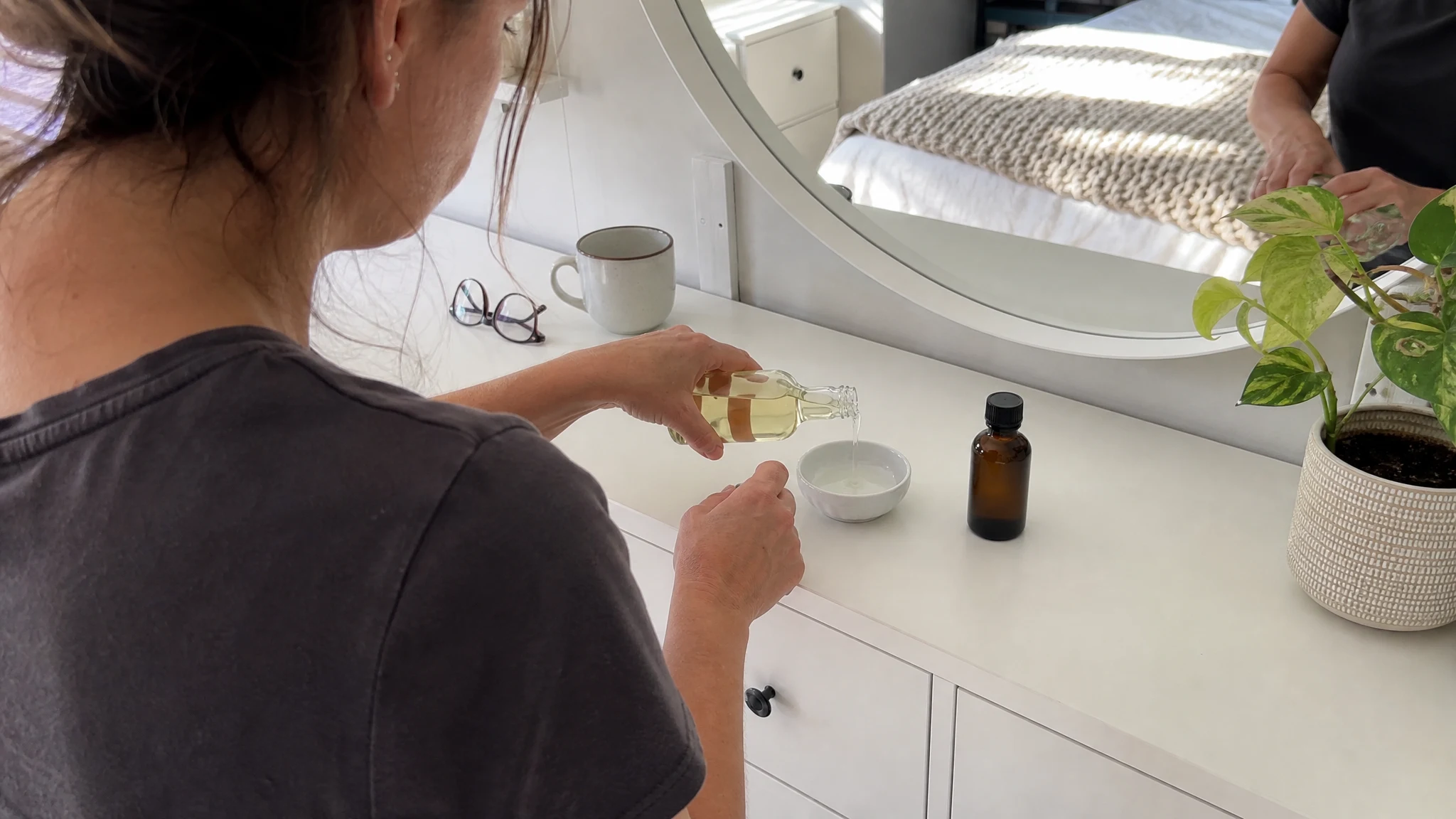
If you decide to decant as a bottle empties, a few tips make it easier. Use a clean, dry amber bottle that has been left to dry completely. Work over a paper towel with a small funnel, and fill to the shoulder so there is little air left. Cap it tightly, wipe the neck, and label it with the name and the date. Keep the original label or note the batch number somewhere, so the lot information stays with the oil.
How long will it last?
We describe our oil as typically stable for 2 to 3 years while the bottle stays sealed, away from heat and sunlight. The Tisserand Institute's general figure is that most oils keep at least 1 to 2 years before oxidation takes effect, with wide variation between oils. EFSA recorded a manufacturer's stated shelf life of at least 12 months for sweet fennel oil in tightly closed containers, cool, dry and protected from light, while noting that no stability data came with it. Our practical suggestion, once the bottle is open, is to write the date on it and plan on using it within a year or two, buying the size you will actually use.
Smell it the right way
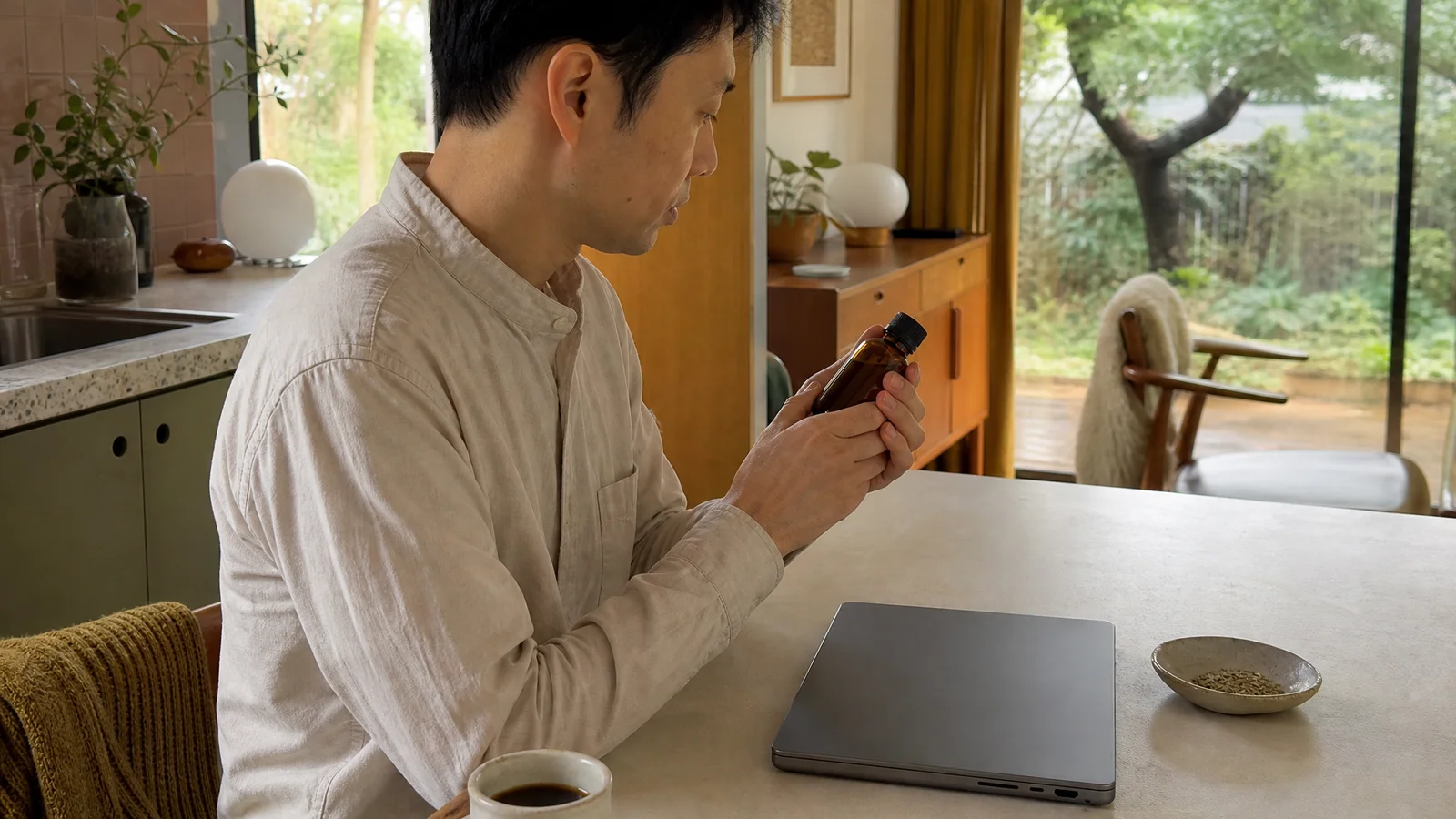
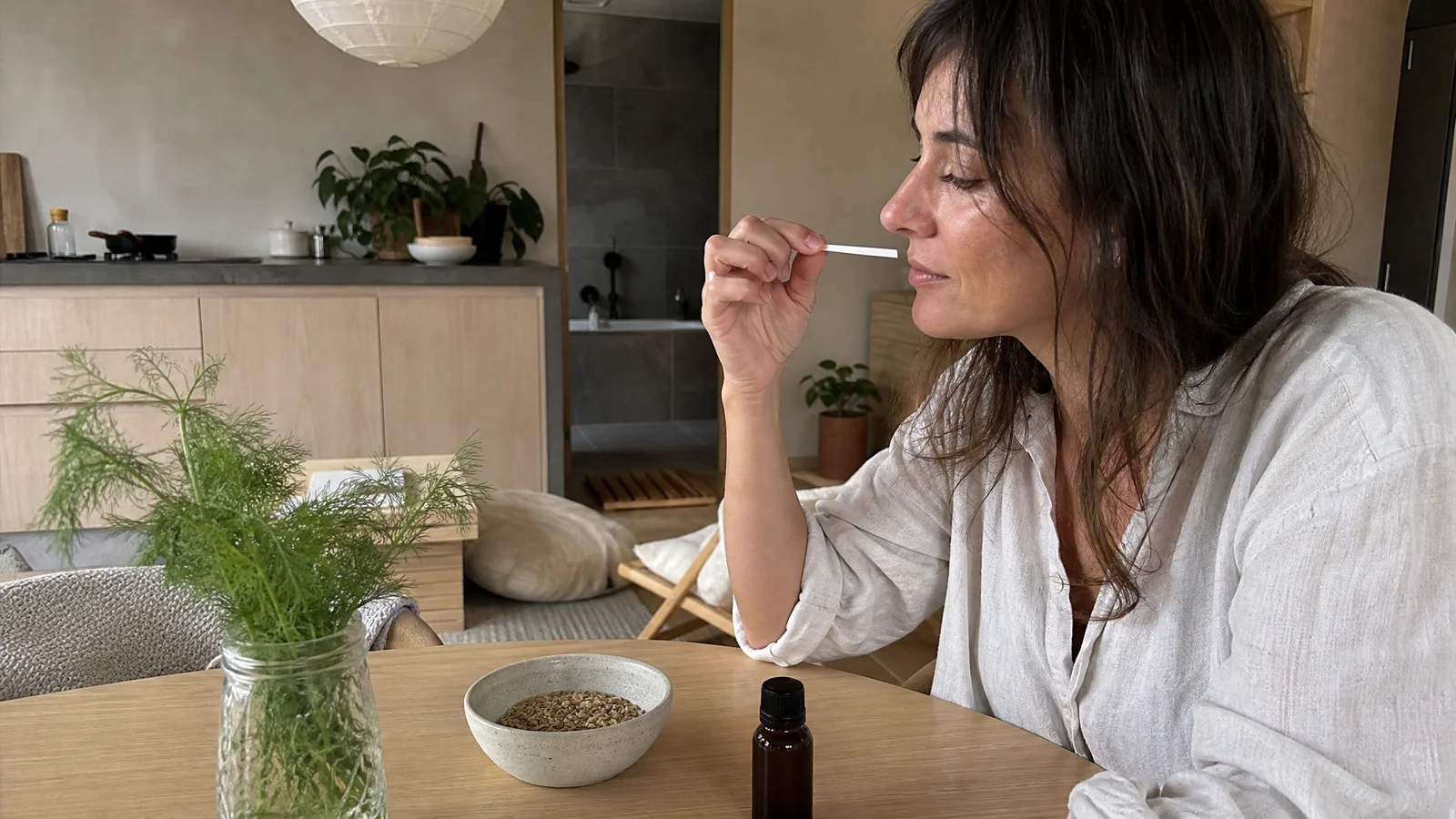
When you check an older bottle, give your nose a fair chance. Hold the open bottle a few centimetres from your nose, not right under it, and take one gentle sniff. Notice your very first impression, because it is the most honest one. Fennel should open sweet and anise-like, then move toward earthy and peppery. If the sweetness has gone flat or the smell has turned sharp, you will notice.
Noses tire fast with anise-type aromas, so rest between sniffs. Step into fresh air, then try again. If you have a newer bottle, smell the two in the same session and compare.
Is it still good?
The Tisserand Institute suggests comparing the scent with a fresh bottle, and notes that very old oils can thicken. If the aroma has dulled and the bottle is old, keep it for a room scent rather than for skin. A laboratory report would show anisaldehyde and cis-anethole directly, but at home your nose and the date on the label do most of the work. Our guide to how fennel oil is made explains why the oil starts out so lively, and fennel oil on skin covers using a fresh one safely.
A tight cap, a cool shelf and a date on the label will keep most of that sweet, spicy character right where you want it.
Fennel Essential Oil
Fennel Essential Oil from our own shop, in sizes from 0.5 oz to bulk.
From $13.99
Shop Now →Sources & Further Reading
- Turek C, Stintzing FC, 2013. Stability of essential oils: a review. Compr Rev Food Sci Food Saf 12. review PDF
- Tisserand Institute. Oxidized essential oils. tisserandinstitute.org
- EFSA FEEDAP Panel, 2023. Safety and efficacy of feed additives from Foeniculum vulgare (bitter and sweet fennel oil). PMC10613937