What Is Fennel Seed Oil? Distilled vs Pressed
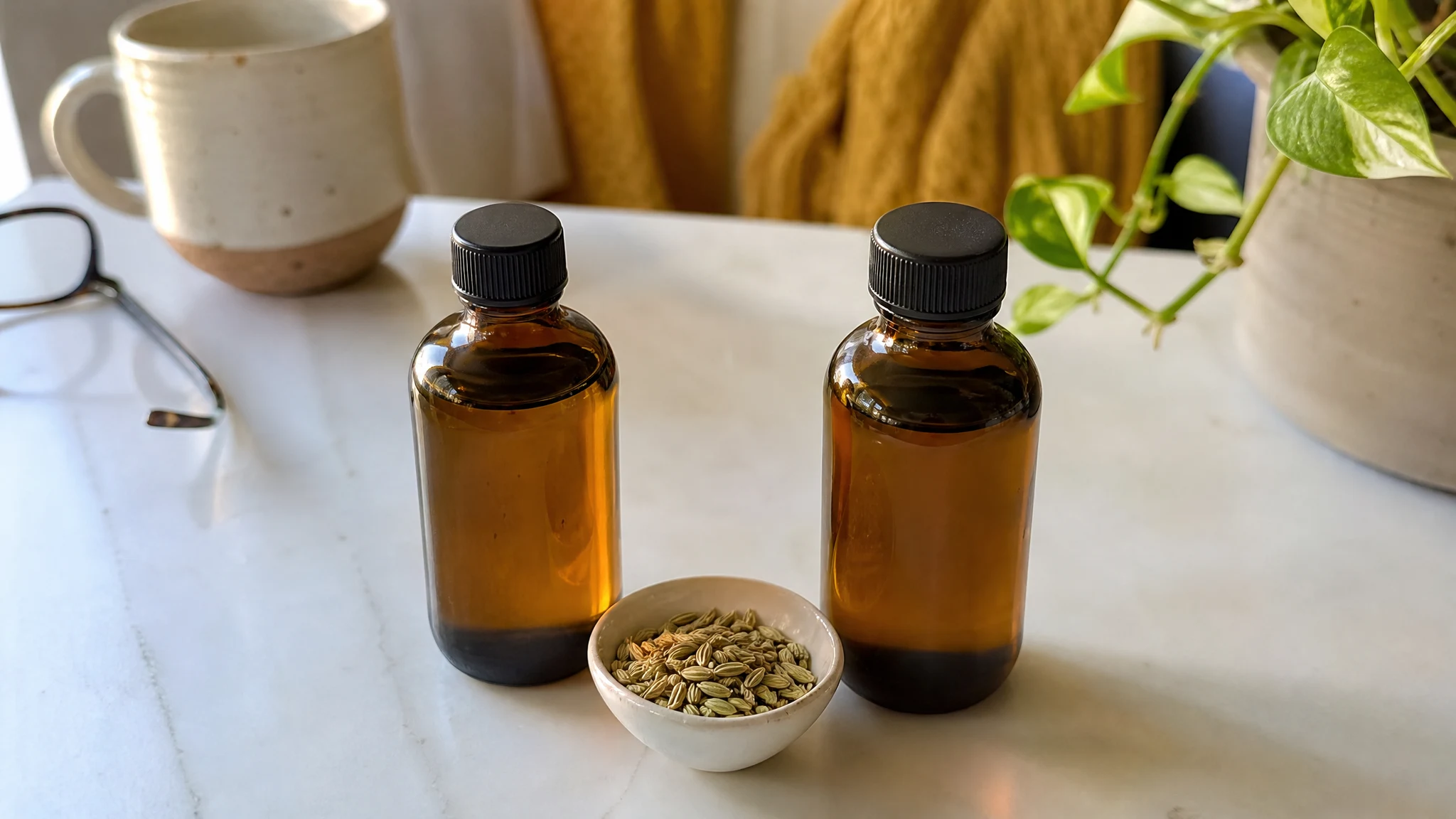
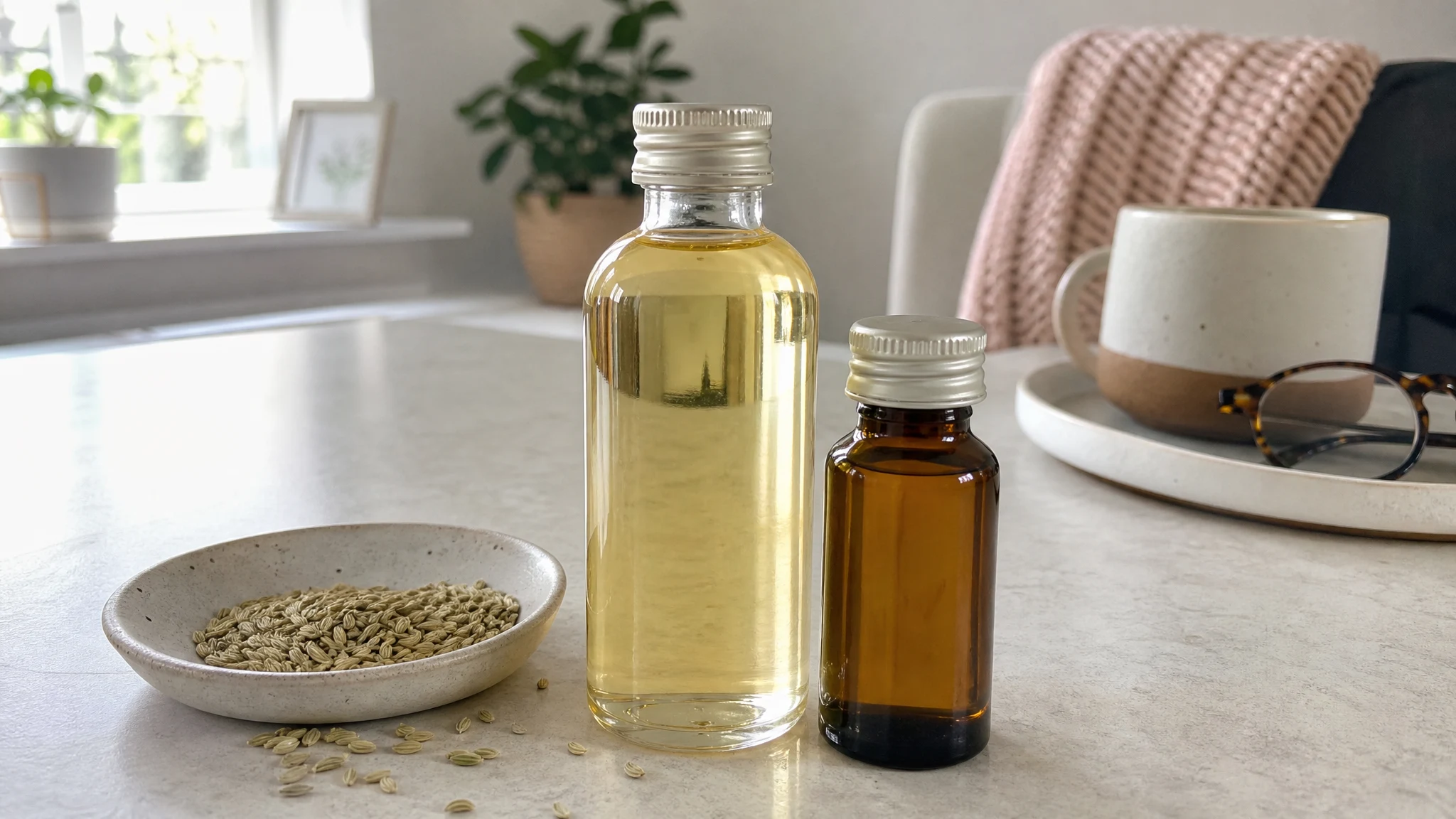
"Fennel seed oil" sounds like one thing. In practice it can name two completely different products that both start with the same seed: a fragrant, volatile essential oil collected by steam, and a mild, fatty oil pressed or extracted from the seed. They behave nothing alike, so it pays to know which one you are buying.
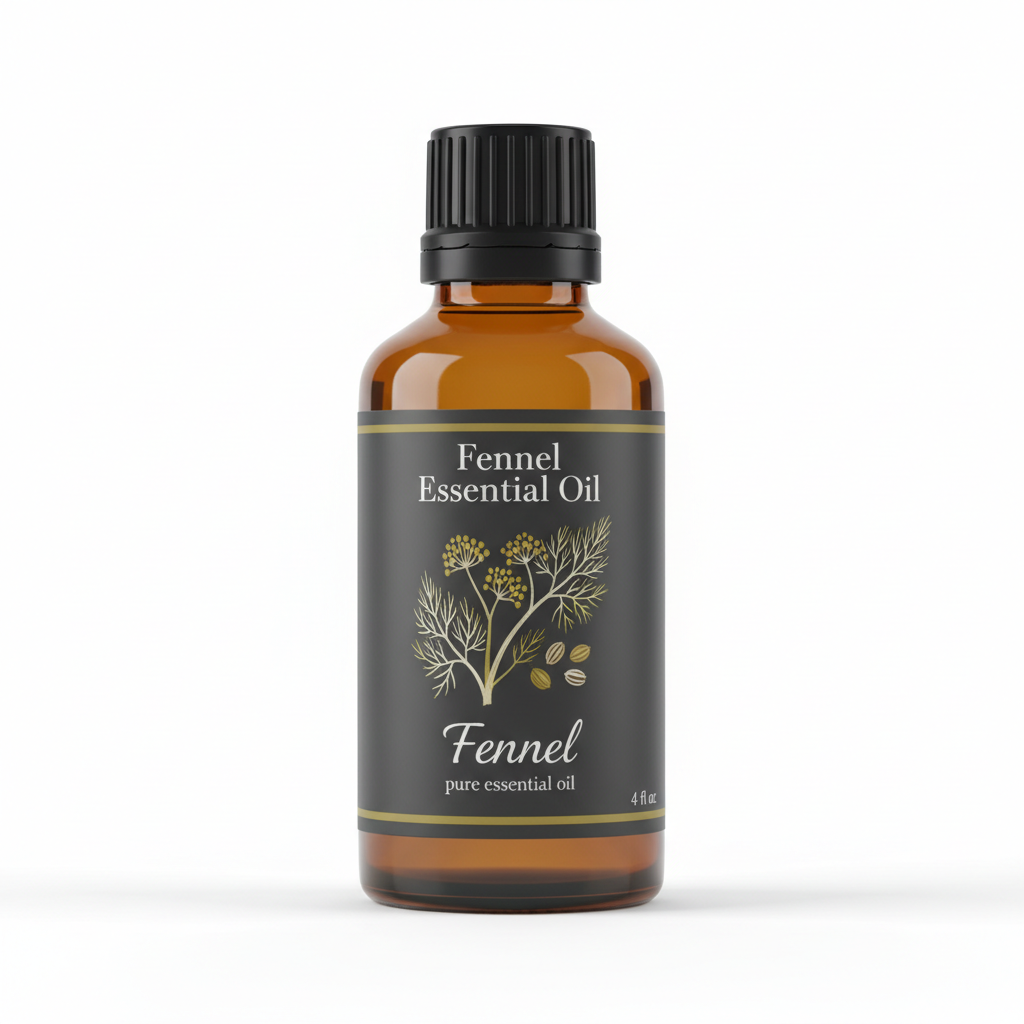
Fennel Essential Oil
Our own Fennel Essential Oil, in sizes from 0.5 oz to bulk.
From $13.99
Shop Now →Why the name does not settle it
You might expect the ingredient name to tell you. In cosmetic labeling it often does not. The COSMILE Europe database lists Foeniculum Vulgare Oil as a "fat or essential oil" without saying which, and gives its function simply as fragrance. An ingredient list alone cannot tell you whether a product holds distilled oil or pressed fat. What does tell you is a stated process. The Certificate of Analysis we publish for one batch lists the ingredient as Foeniculum Vulgare (Fennel) Oil, the part used as seed and the extraction as steam distilled, which is exactly the pairing to look for: a name plus a process.
Two materials from one seed
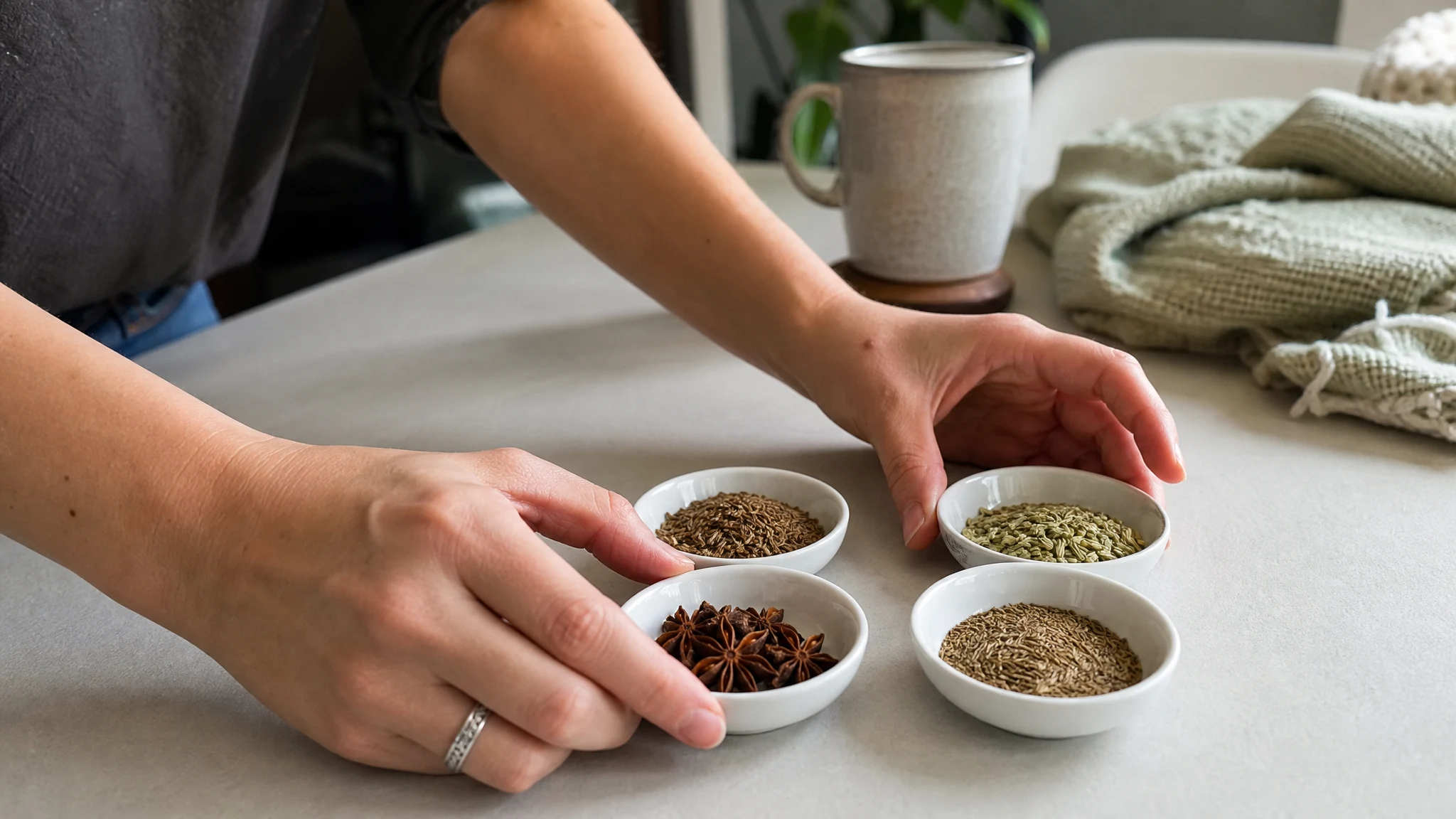
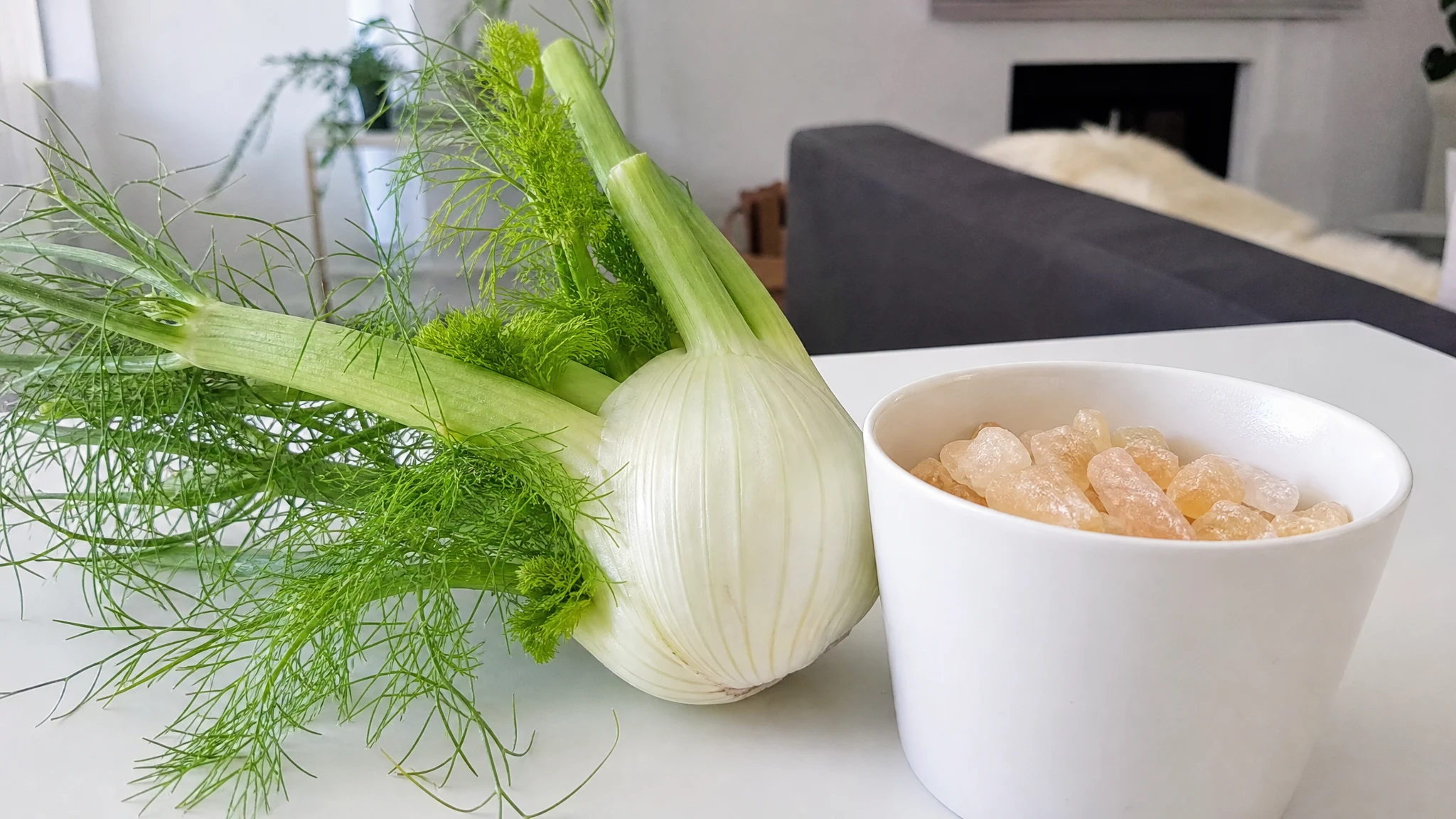
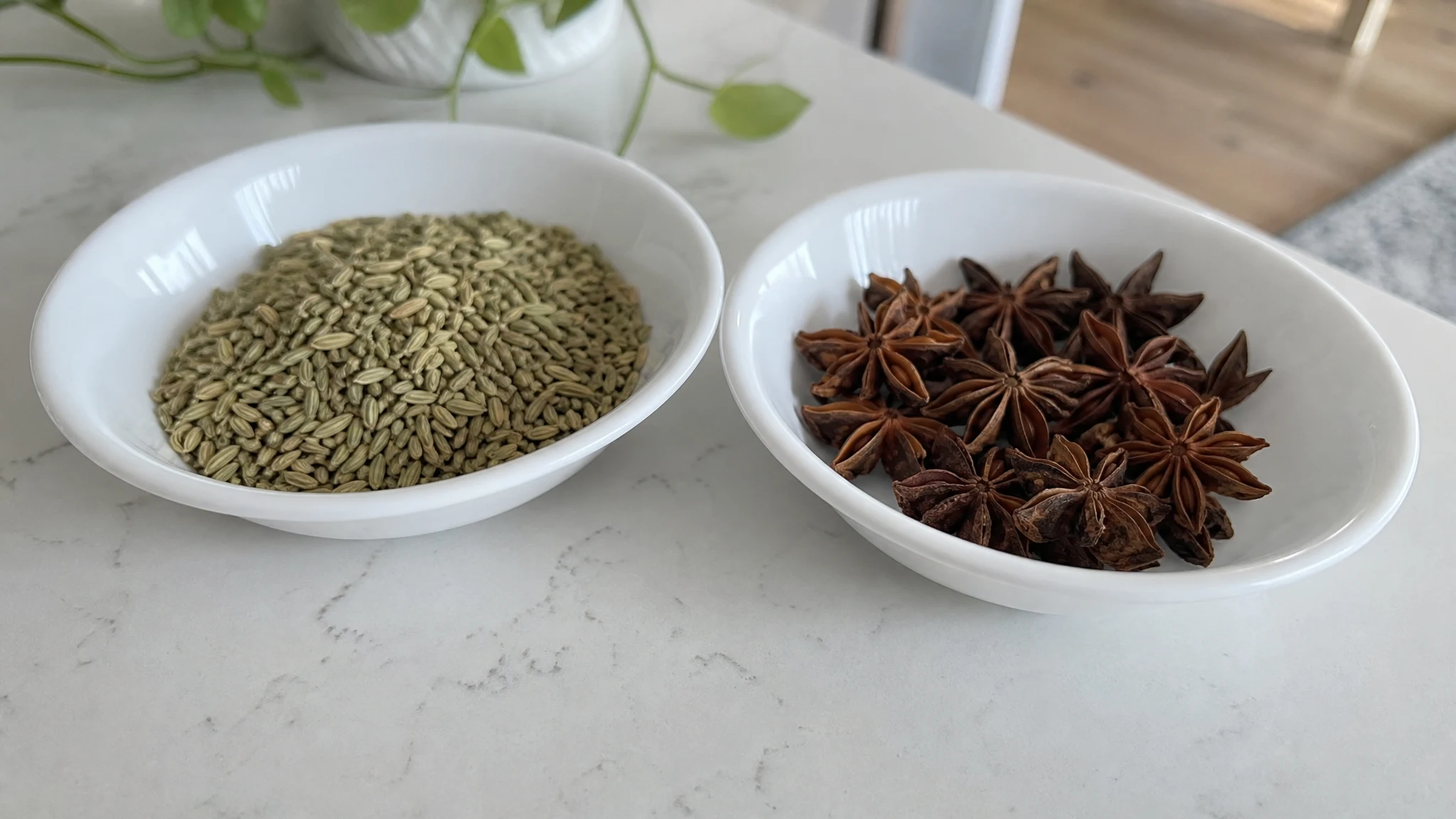
A fennel fruit holds both. The European Medicines Agency's assessment report notes that the pharmacopoeia expects sweet fennel fruit to give at least 20 mL of essential oil per kilogram, with that oil at least 80% anethole. Alongside it sits fat. In a 2015 analysis of spicy Apiaceae fruits, petroselinic acid was the leading fatty acid in every sample, at about 82% of the fatty acids in fennel, which is the highest of the nine oils studied.
Steam distillation collects the aromatic fraction. Pressing or solvent extraction collects the fat. The fat has nothing to do with the sweet, anise-like scent, which lives in the volatile fraction and travels on anethole.
Read it like a shopper
When a listing says only "fennel seed oil", slow down and read it the way you would read a food label. Look for three lines in the description: a plant name, the part used and the process. "Foeniculum vulgare, seed, steam distilled" is a complete sentence. "Fennel seed oil, natural" is not.
It also helps to picture what the product is for. A bottle that tells you to dilute and patch test is an aroma material. A bottle that tells you to massage it in or cook with it is a different animal. If the page cannot decide which it is, that is your answer.
Telling them apart at the shelf
- Process wording. "Steam distilled" points to essential oil. "Cold pressed", "expeller pressed" or "solvent extracted" points to a fat.
- Documents. An essential oil report is dominated by anethole. A fat report shows fatty acids, with petroselinic and oleic acids at the top.
- Instructions. "Dilute" and "patch test" go with an essential oil. A massage-oil style label points the other way.
- Behavior. A drop of essential oil has a strong scent that fades as it evaporates, and a fat leaves a lasting translucent mark. That is a household clue based on how volatile each material is, not a standard, and it will not catch a mixture.
When a seller offers "fennel seed oil" with no stated process and no report, there is simply no way to know which profile you are getting. Our guide to reading a fennel oil label and GC-MS report goes through the documents.
Where a mix-up goes wrong
Using the essential oil as though it were a carrier is the mix-up to avoid first, since a concentrated, anethole-rich oil is not a massage oil. Our general guidance is 0.5% to 2% in a carrier, roughly 3 to 12 drops per ounce, after a patch test; see best carrier oils for fennel oil for what to dilute it in. Going the other way, a pressed fat in a diffuser will not evaporate and will not give you the aroma you expected. And a pressed fennel fat should not be assumed inert or safe for anyone avoiding fennel; we found no published limits for it, so a pharmacist is the right person to ask.
Neither product is a food or a supplement. If you are curious about taking fennel oil by mouth, that belongs with a physician or pharmacist, and we explain why we say no in swallowing fennel essential oil.
What to expect from the bottle
When you open a bottle of distilled fennel oil, expect the aroma to arrive right away: sweet and anise-like first, then earthy, peppery and herbaceous. That is a top to middle note in perfumery terms, which means it shows up early and lingers a while. Do not judge it by the first sniff from the neck of the bottle alone. Put a drop on a tissue, set it down, and come back to it after a few minutes.
Because it is so aromatic, a little goes a long way in a diffuser blend or a scented soap. Start with less than you think you need, and add only if the scent has truly faded.
What we bottle
Ours is the distilled oil: Foeniculum vulgare seed, steam-distilled, sold neat in amber glass from 0.5 oz up to bulk sizes. We do not sell a pressed fennel seed oil, and if that is what you need, a carrier-oil supplier that publishes a fatty acid profile is the right place to look. For distilled oil, our guidance is to avoid it entirely in pregnancy and breastfeeding, to keep it away from children and pets, and to leave it alone with an oestrogen-sensitive condition or epilepsy.
The habit that keeps you out of trouble is short: find the process, find the document, and match the instructions to the material.
Fennel Essential Oil
Fennel Essential Oil from our own shop, in sizes from 0.5 oz to bulk.
From $13.99
Shop Now →Sources & Further Reading
- European Medicines Agency (HMPC), 2024. Assessment report on Foeniculum vulgare subsp. vulgare var. vulgare and var. dulce, fructus (EMA/HMPC/240553/2016). https://www.ema.europa.eu/en/documents/herbal-report/final-assessment-report-foeniculum-vulgare-miller-subsp-vulgare-var-vulgare-foeniculum-vulgare-miller-subsp-vulgare-var-dulce-mill-batt-trab-fructus-revision-1_en.pdf-0
- Nguyen T, Aparicio M, Saleh MA, 2015. Accurate mass GC/LC-QTOF analysis of fatty acids and triacylglycerols of spicy fruits from the Apiaceae family. Molecules 20(12):21421-21432. https://pmc.ncbi.nlm.nih.gov/articles/PMC4881421/
- COSMILE Europe cosmetic ingredient database. Foeniculum Vulgare Oil. https://cosmileeurope.eu/inci/detail/5672/foeniculum-vulgare-oil/