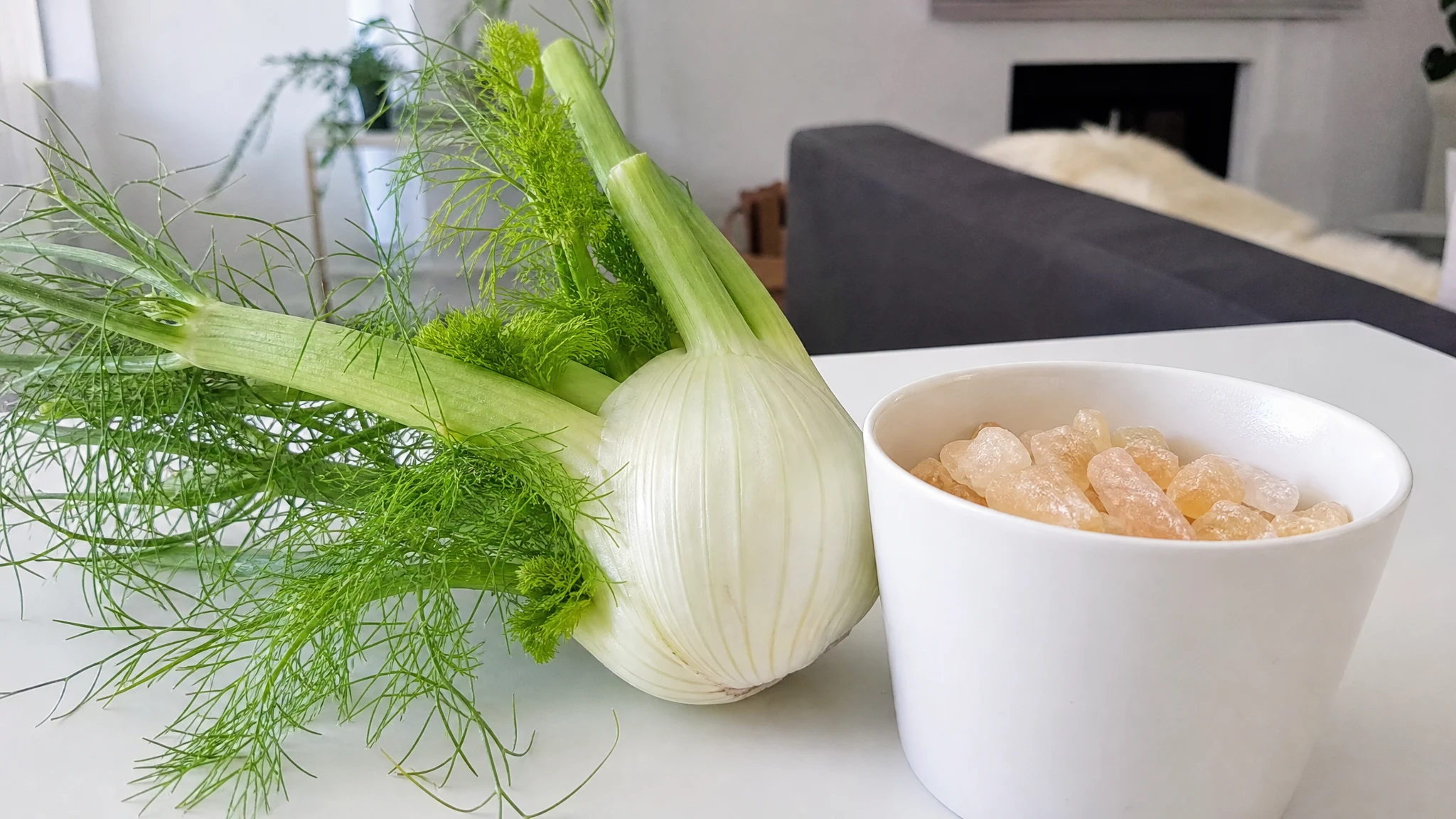
Fennel Essential Oil vs Fragrance Oil: Read the Label
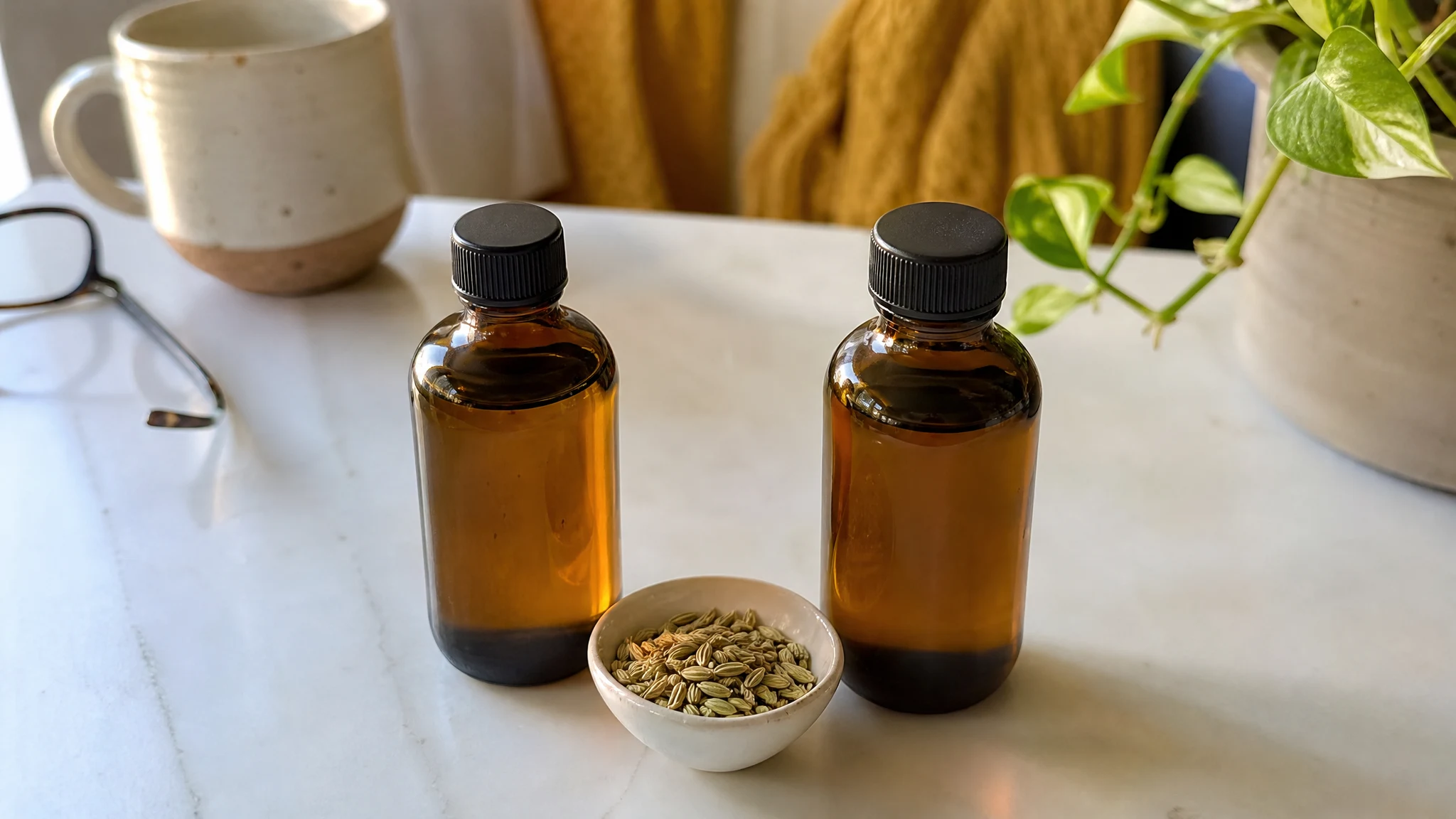
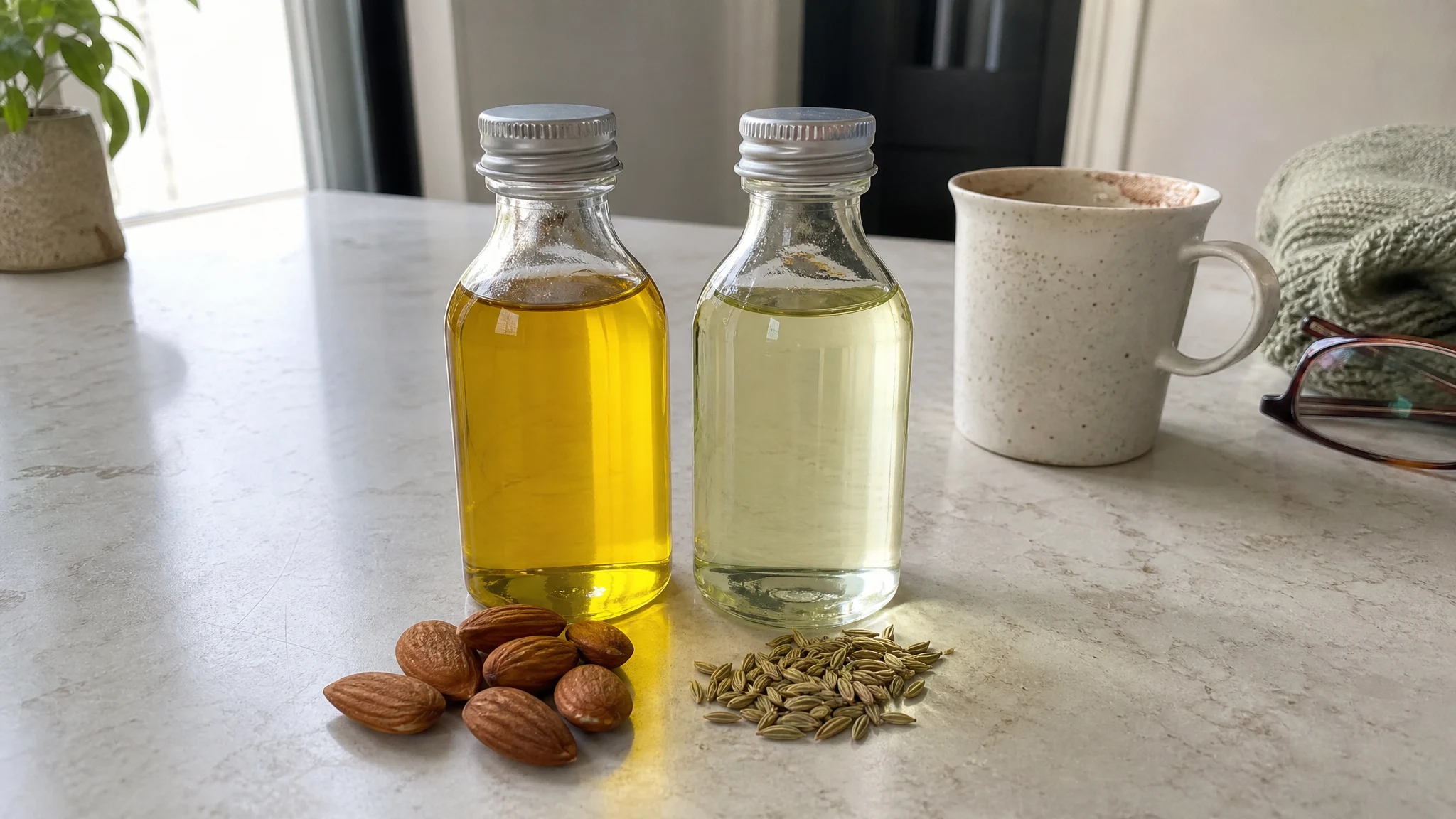
Two bottles sit on a shelf, one marked "fennel essential oil" and one marked "fennel fragrance oil", and they can look nearly identical. What differs is how much you are able to find out about each. One is a plant material you can ask questions about. The other is a formula, and formulas are allowed to keep their contents private.
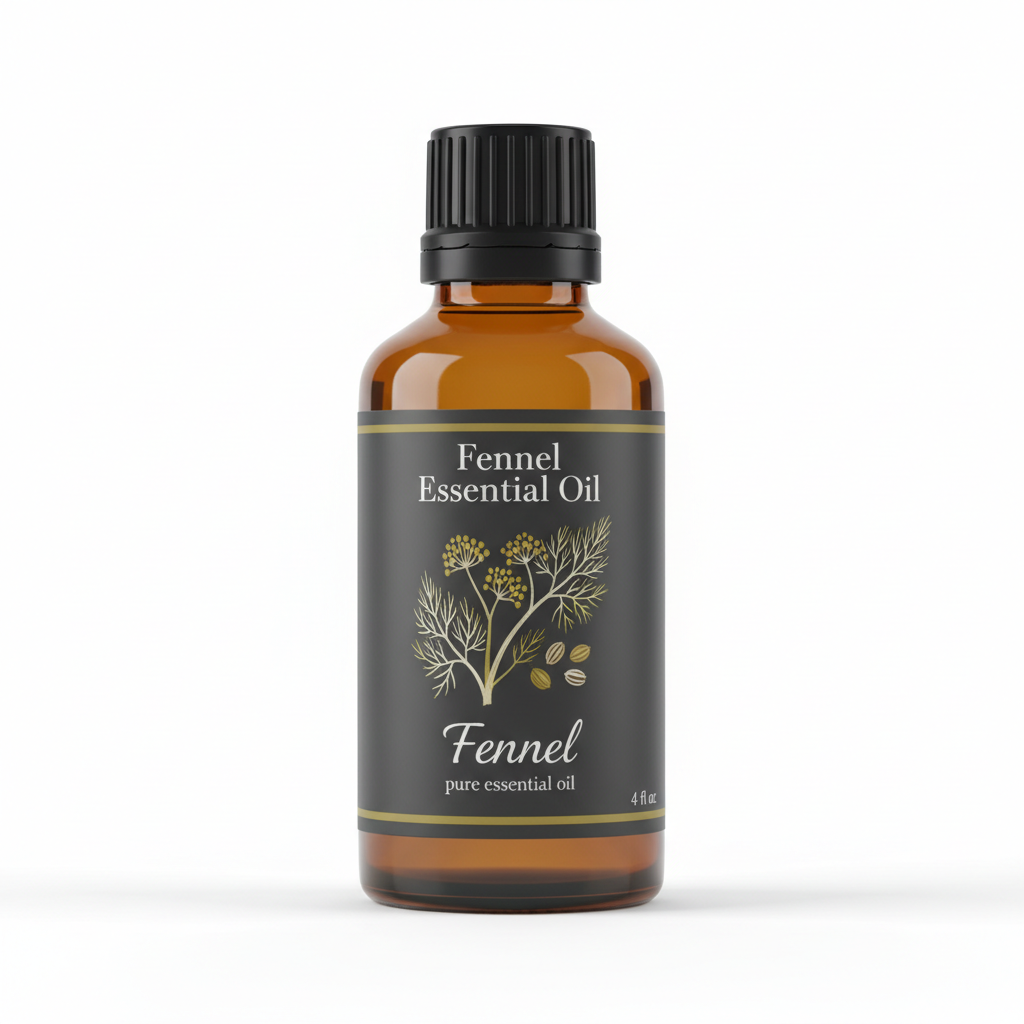
Fennel Essential Oil
Our own Fennel Essential Oil, in sizes from 0.5 oz to bulk.
From $13.99
Shop Now →What a fragrance label is allowed to leave out
The FDA explains that fragrance and flavor ingredients in cosmetics may be listed simply as "Fragrance" or "Flavor", and describes fragrance formulas as complex mixtures of natural and synthetic ingredients that are often treated as trade secrets. It also notes that there is no regulatory definition of "essential oil", so that phrase does not prove itself either. The difference is practical. A seller of an essential oil can name a plant, a part and a process, and a lot report can check the claim. A fragrance supplier can reasonably decline to list what is inside.
That does not make fragrance oils dishonest. They are made for a purpose: a consistent scent that behaves in a candle or a soap. They just answer a different question from the one an essential oil answers, and knowing which you need saves a lot of confusion.
What "fennel" in the name can mean
- Fennel essential oil: distilled oil of Foeniculum vulgare, sweet or bitter. Ask for the variety, the process and a lot report showing anethole, estragole and fenchone.
- Fennel fragrance oil: a compounded scent that may be built from several ingredients and may contain little or no actual fennel. Ask for the safety data sheet, the IFRA statement and the maximum use rate for your product.
- Plain "fennel oil": could be either, or a pressed seed fat. Our post on fennel seed oil sorts that out.
Why the distinction matters most for fennel
Fennel oil has a component, estragole, that sets how much can go into a finished product. IFRA's estragole standard sets limits by category, and for a body oil or lotion (category 5A) the limit is 0.075%. Divide that by the 3.76% estragole EFSA measured as a batch mean in sweet fennel, and the oil can make up about 2% of the product. With an essential oil you can do that arithmetic yourself once you have the lot figures. With a fragrance oil you cannot, because the contents are not on the label. You rely on the supplier's documentation, which is worth requesting in writing.
It also helps to know that a bottle labelled essential oil is not automatically what it says. In a 2024 study that tested eleven commercial fennel oils, three were flagged, including one carrying 43.2% triethyl citrate, a non-aromatic carrier. A lot report is how that kind of thing gets found, which is why we keep suggesting you ask for one. Our post on how to spot a genuine fennel oil before you pay goes through the details.
Two mistakes the names invite
The first is treating a fragrance oil like a diluted essential oil and using it at essential-oil dilutions on skin. The right use rate for a fragrance oil is set by its own formula, and only its supplier can give it to you. The second is reading "natural" on a fragrance oil as a statement about fennel. At most it describes some of the ingredients.
Neither bottle is a food, and neither is meant to be swallowed. If you are wondering about ingesting fennel, a physician or pharmacist is the right person to ask, and our post on swallowing fennel oil sets out why we say no.
Let your nose do a little work
If you ever have both in front of you, give them a minute each. Open the essential oil, hold the bottle a few centimetres from your nose and notice the first impression: for ours, it opens sweet and anise-like. Then wait a breath or two and see whether it settles into something earthier and more peppery. That slow change is part of what we love about fennel.
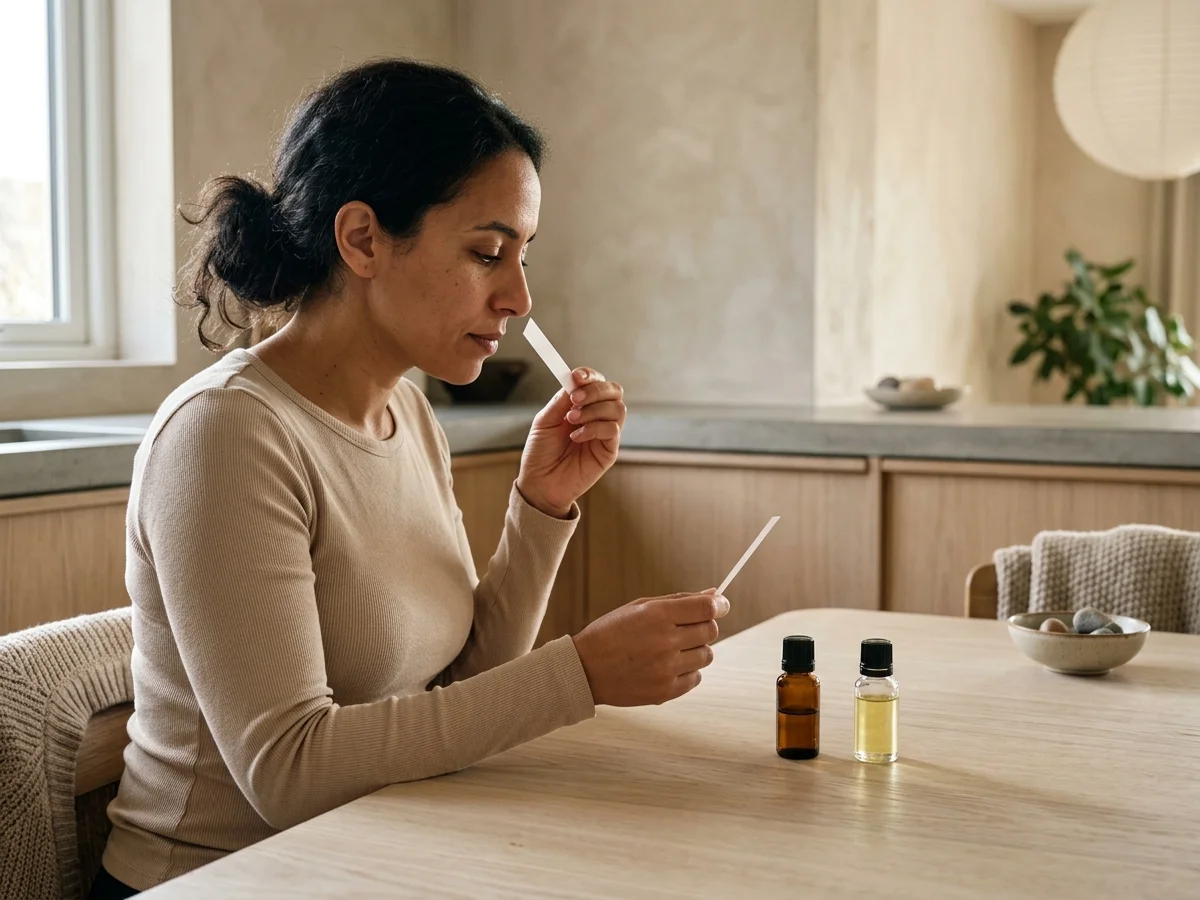
Do the same with the fragrance oil and notice whether it holds one steady note or shifts. Neither answer makes one better. It simply tells you what you are working with, and that is useful when you are planning a candle, a soap or a bath salt blend. Smell on a tissue or a paper strip rather than straight from the bottle, and give your nose a rest between the two.
Keep a paper trail from day one
Whichever bottle you pick, keep the product page, the batch number and any document the seller sends in one folder or note. Months later, when you want to make something again or someone asks what is in it, you will be glad you did. It takes two minutes, and it is the habit we would recommend to anyone who scents things for friends or for sale.
Which one suits you
If you want something made from a plant and able to say so, choose an essential oil and ask for the lot report. If you need a fennel-like note in a candle or soap and want a use rate the supplier has already set, a documented fragrance oil is a perfectly sensible choice; we do not sell those, so it would come from a supply shop. And if you are scenting for a pregnant person, a child or someone with a health condition, please do not decide from a product page. Ask a physician, midwife or pharmacist.
We sell one fennel essential oil, steam-distilled from crushed seed, which our shop describes as sweet fennel. The Certificate of Analysis we publish for one batch lists appearance, smell, relative density (0.975) and refractive index (1.546). If you need anethole or estragole for a lot, ask us in writing through the contact page. Our buying checklist has the questions to put to any seller.
Whichever bottle you choose, the habit worth keeping is the same: read what it actually is before you decide what to do with it.
Fennel Essential Oil
Fennel Essential Oil from our own shop, in sizes from 0.5 oz to bulk.
From $13.99
Shop Now →Sources & Further Reading
- US Food and Drug Administration. Fragrances in Cosmetics. https://www.fda.gov/cosmetics/cosmetic-ingredients/fragrances-cosmetics
- Murphy BJ et al., 2024. Authentication of Fennel, Star Anise, and Anise Essential Oils by GC/MS and GC/IRMS. Plants 13(2). https://pmc.ncbi.nlm.nih.gov/articles/PMC10818908/
- IFRA, 2020. IFRA Standard: Estragole (Amendment 49). https://www.perfumersworld.com/documents/Project-Templates/IFRA-Standards/Estragole.pdf