Does Fennel Oil Go Bad? How to Tell by Smell
Most people check an old bottle of fennel oil by looking at it, and that is the one test that tells you very little. The oil can stay a pale yellow, clear and runny, and still smell different from the day you opened it. The better test is your nose, and it works best with a fresh bottle to compare against.
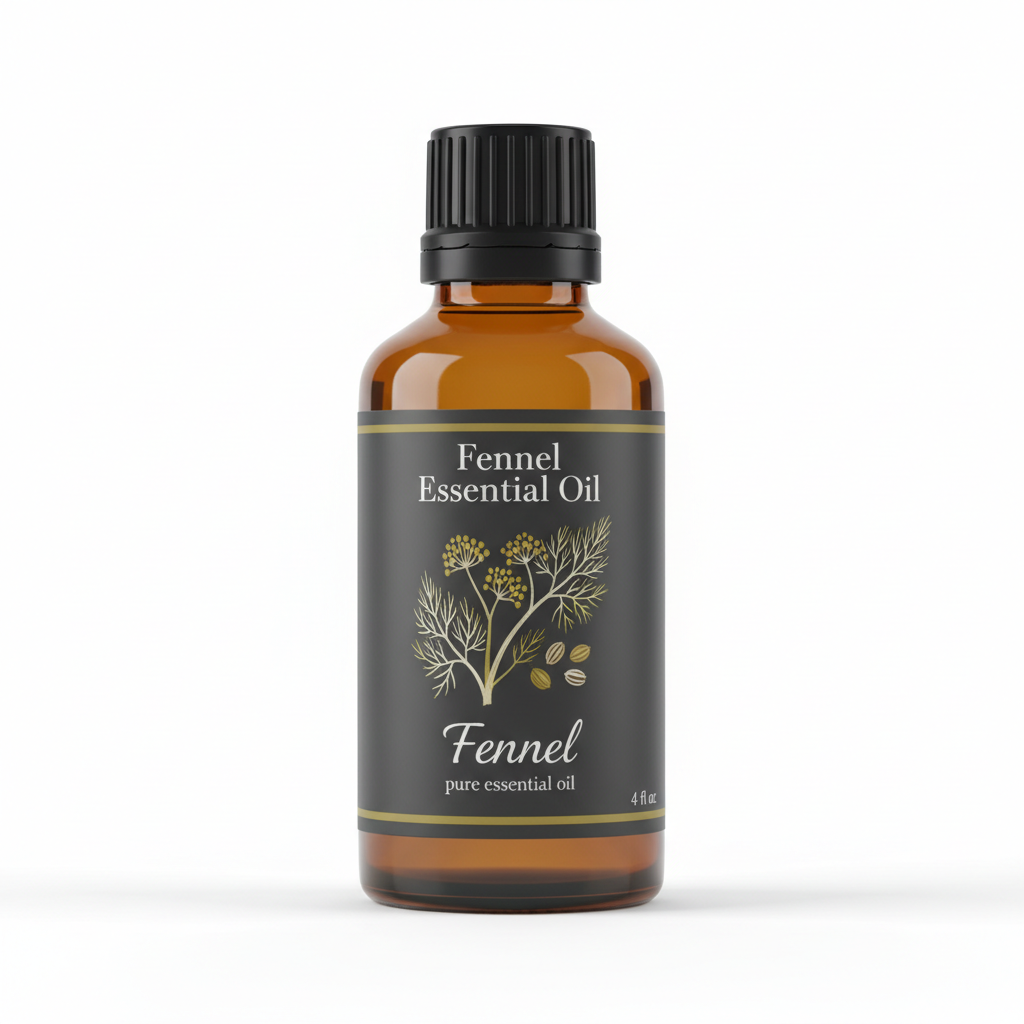
Fennel Essential Oil
Our own Fennel Essential Oil, in sizes from 0.5 oz to bulk.
From $13.99
Shop Now →What changes inside the bottle
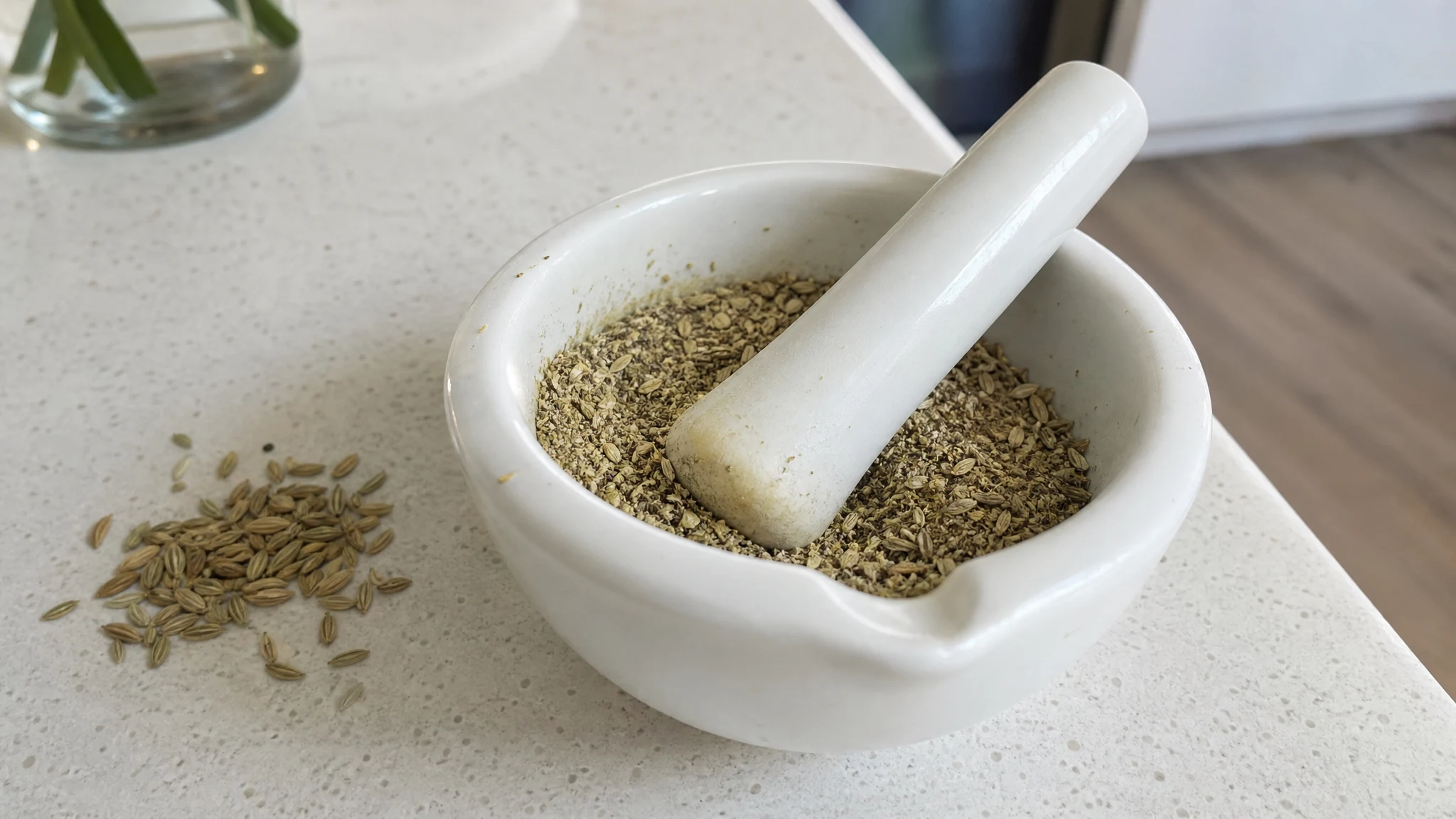
Fennel oil is mostly one molecule, trans-anethole, the sweet licorice note that makes it recognisable. That also makes it easy to follow as it ages. A well-known stability review describes a study in which the main compound of sweet fennel oil had completely turned into anisaldehyde, or flipped into its cis form, after two months at room temperature under light. The same review reports that sweet fennel oil was unstable even when kept in the dark, though much more slowly, and that fennel oil was quite stable under nitrogen. Reading those together, oxygen is the main driver and light and warmth speed it up. That is our reading of the review, not a result about any one bottle.
The Tisserand Institute puts the everyday version more gently. Oxidation is slow, most essential oils keep well for at least one to two years before it starts to take effect, and the clearest sign is a change in smell, a loss of brightness or freshness that you may only notice next to a fresh bottle. We describe our oil as typically stable for 2 to 3 years while the bottle stays sealed and away from heat and sunlight, and that is a sensible way to think about it: a range, not a deadline.
A sniff test that actually works
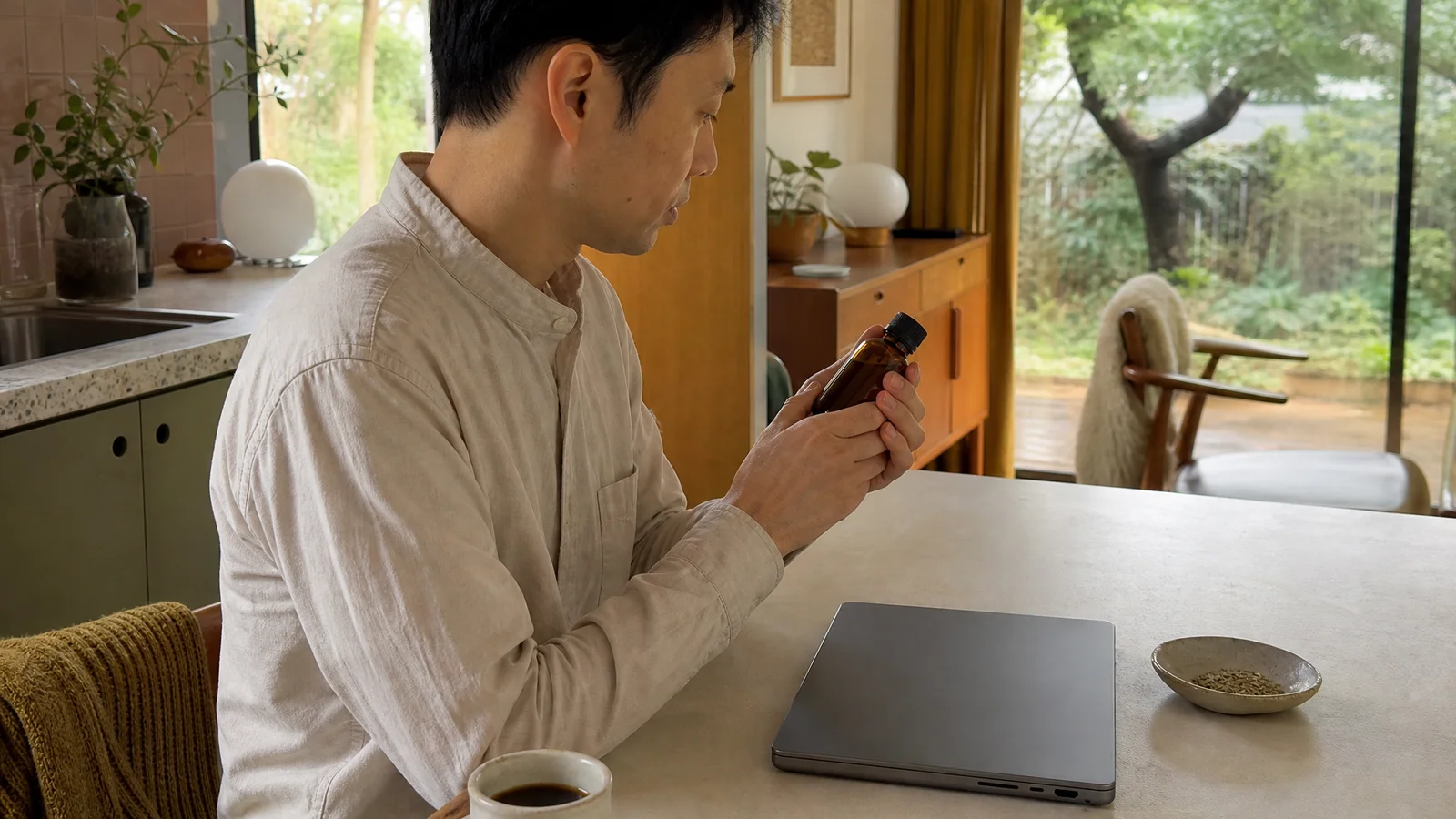
Do it in a well-ventilated room and give the bottle a gentle sniff from a hand's width away rather than putting your nose to the opening. You are listening for three things.
- Sweetness. Fresh fennel opens sweet and licorice-like. If the sweetness has drained away and what is left smells flat, papery or faintly sharp, the oil has moved on.
- Depth. The earthy, peppery layer underneath the sweetness should still be there. An oil that smells thin or one-note is showing its age.
- Anything new. A sour, harsh or varnish-like edge that was never there at the start is a clear sign to stop.
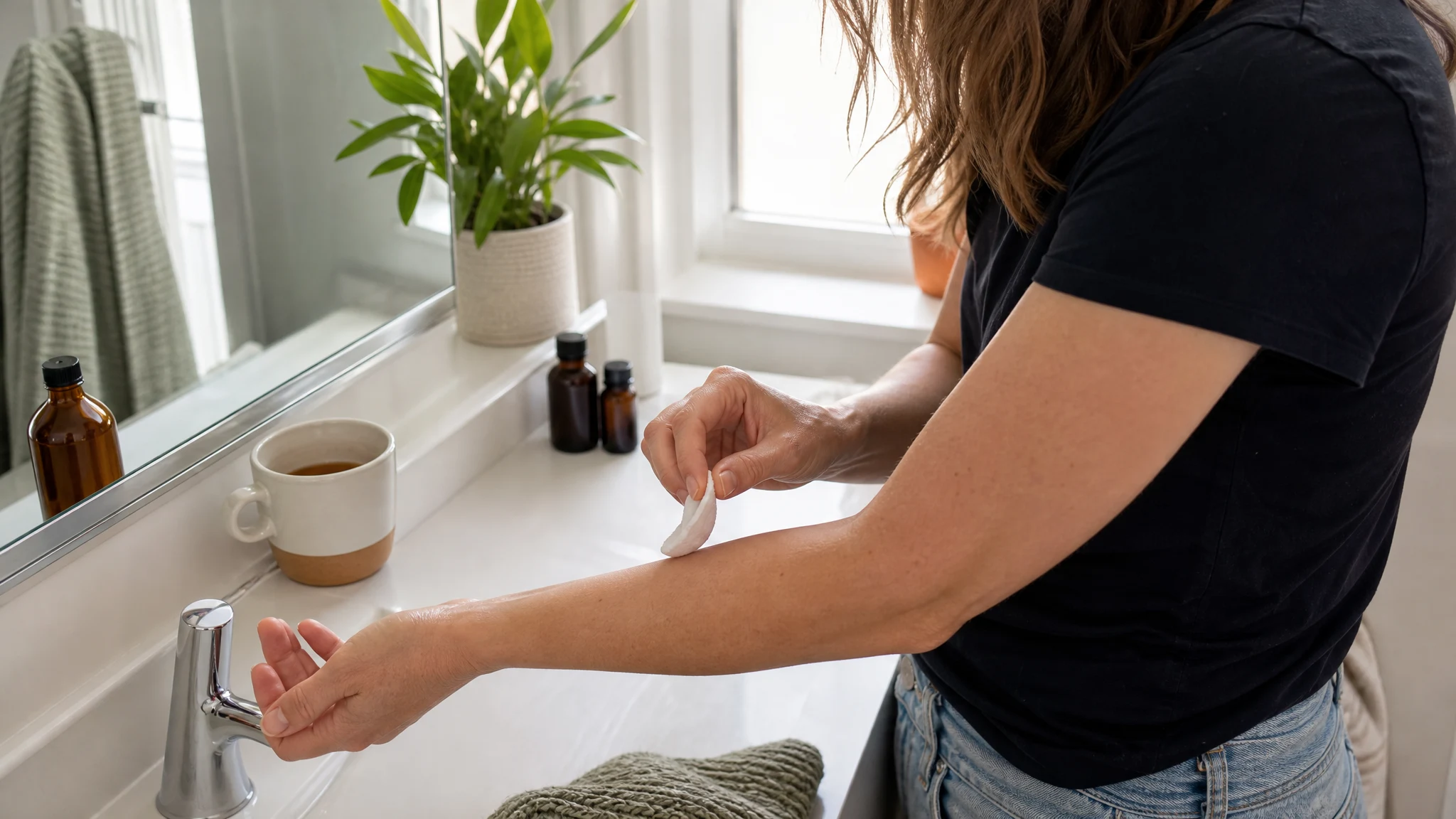
If you only have the one bottle, rub a tiny amount on a clean paper tissue and smell it again after a minute. The first impression is dominated by the lightest, most volatile parts; what is left on the tissue tells you more about the heart of the oil.
What does not tell you much
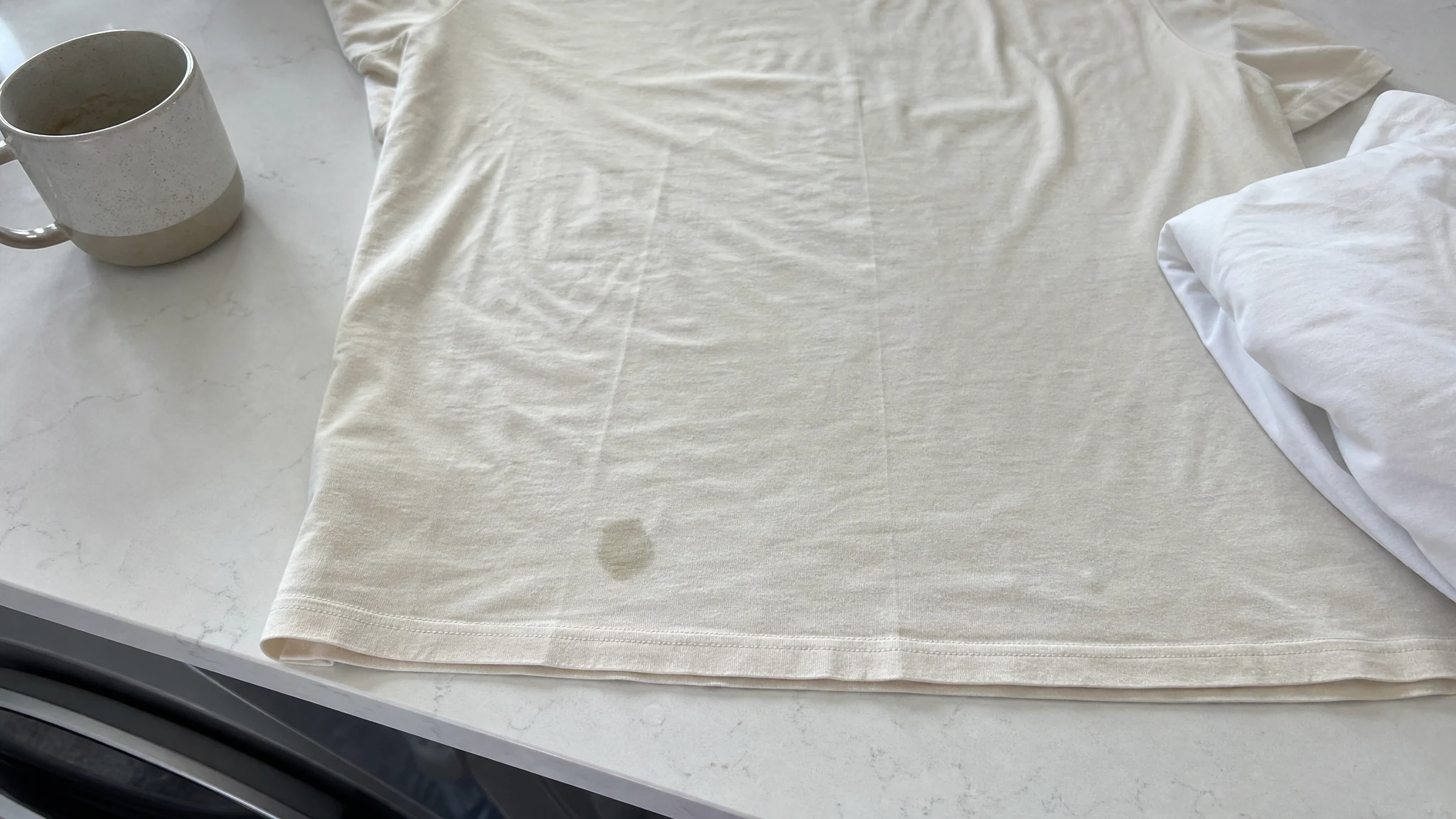
Colour and cloudiness are poor guides. If a bottle has gone hazy after a cold night, that is more likely the anethole starting to set than a sign of ageing, and our piece on fennel oil colour explains how to bring it back gently. The Tisserand Institute does not list colour among the signs of oxidation, and it notes that very old oils may thicken, which usually takes several years. So we would not call a darker bottle spoiled on looks alone, and we would not call an unchanged one fresh on looks alone.
Why it matters for skin
The reason to care beyond the scent is that oxidation products are slightly toxic and raise the chance of a skin reaction, according to the Tisserand Institute. In practice that means an oil you are happy to diffuse is not automatically one you should put on skin. If a bottle has clearly changed, we would keep it away from skin altogether, and whatever its age, fennel oil belongs in a carrier at low strength; our guide to fennel oil dilution for skin covers the numbers, and who should skip it is worth a read first.
Slowing it down
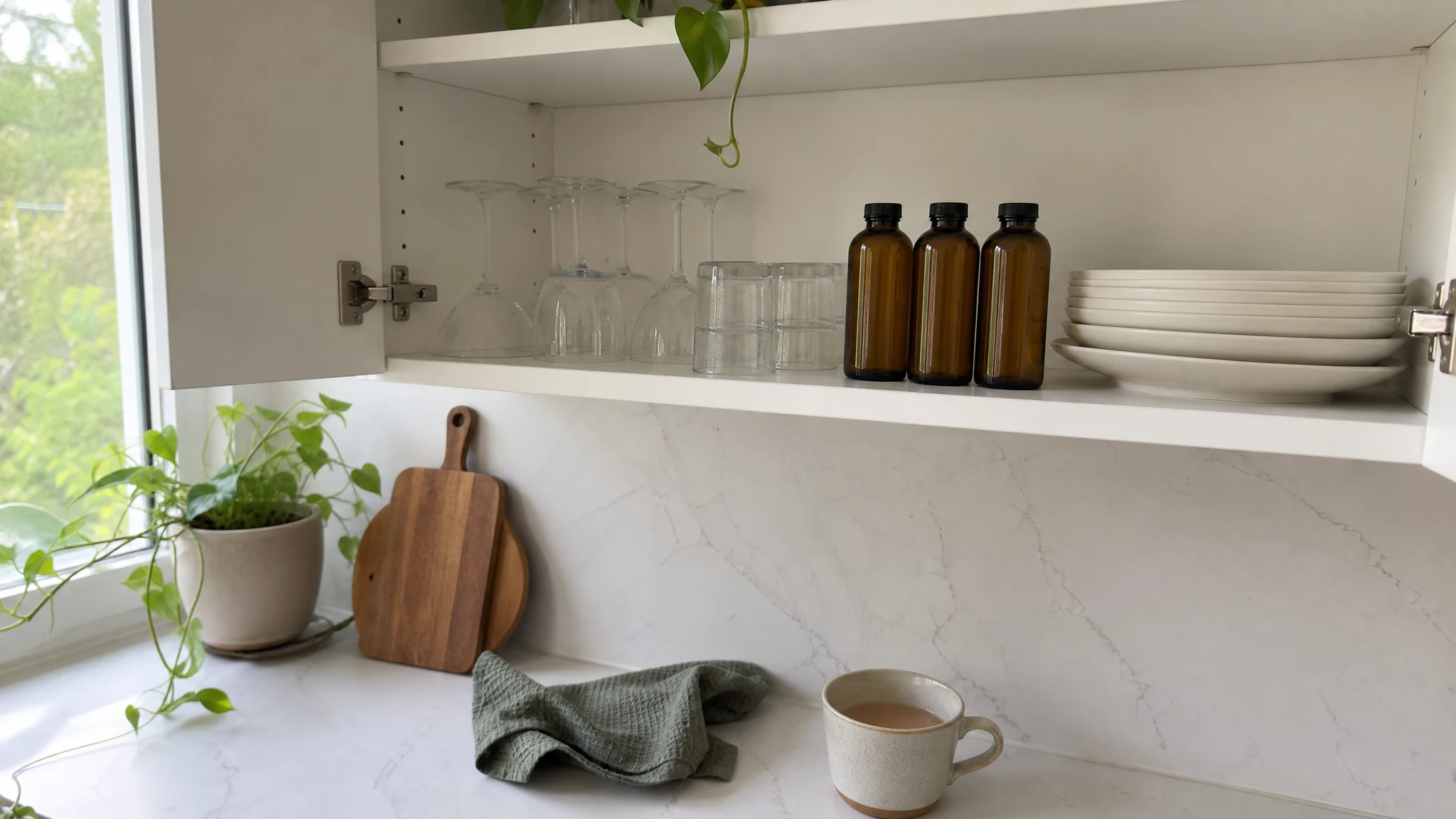
You cannot stop oxidation, but you can set the pace. The habits that matter most are a cool, dark cupboard, a tight cap, and as little air in the bottle as you can manage; we cover them in how to store fennel oil. Writing the date you opened the bottle on a note beside it takes ten seconds and saves guessing later. Buying a size you will actually use also helps, which is why we suggest working out your own pace before choosing; which fennel oil bottle size to start with walks through it.
When you buy, ask a seller how old the lot is and how it was stored. Our piece on spotting cut fennel oil has more on what to ask.
When to let it go
If the smell has clearly turned flat or sharp, retire the bottle. It is not worth risking your skin to save a few drops. Ask your local waste service how they want small amounts of essential oil handled rather than pouring it down a drain, and start the next bottle with a note of the date.
Fennel oil is a gentle companion for a quiet shelf, and a little attention to the nose is usually all the quality control a home user needs.
Fennel Essential Oil
Fennel Essential Oil from our own shop, in sizes from 0.5 oz to bulk.
From $13.99
Shop Now →